
Red Light vs PEMF Therapy: Which One Actually Works Better?

If you’ve been researching wellness devices for pain relief, recovery, inflammation, or general health support, there’s a good chance you’ve ended up comparing red light vs PEMF therapy.
At first glance, that makes sense.
Both are promoted as non-invasive tools. Both are used by people looking for drug-free support. AND both are often discussed in the same conversations around pain, healing, recovery, circulation, and cellular health.
So naturally, the question becomes: which one is better?
But that question can be misleading.
Most People Are Asking the Wrong Question!
The real issue is not whether red light therapy beats PEMF therapy across the board. It doesn’t. And PEMF does not automatically make red light obsolete either. These are different technologies with different strengths, different mechanisms, and different ideal use cases.
That matters because a lot of people buy wellness devices the same way they buy kitchen gadgets. They chase the most popular option, the trendiest claim, or the device with the best-looking marketing page. Then they use it for a few weeks, get partial results, and assume either the technology “doesn’t work” or that their body is somehow the exception.
In many cases, the problem is simpler than that.
They chose a tool without understanding what the tool is actually designed to do.
Red light therapy can be fantastic for supporting skin health, circulation, inflammation, muscle recovery, and mitochondrial function. It is easy to understand, easier to use consistently, and often gives people a quick sense that they are doing something positive for their body.
PEMF therapy, on the other hand, tends to appeal to people who are dealing with deeper or more persistent issues. It is often discussed in relation to joint pain, chronic discomfort, nerve-related problems, structural stress, and deeper recovery support. It is less mainstream, but many people who discover it feel like it answers questions that surface-level tools never fully addressed.
That is why this comparison matters.
Not because you need to pick a winner in some simplistic head-to-head contest, but because you need to understand which therapy matches your goal, your symptoms, your budget, and your level of commitment.
And in many cases, the smartest answer is not “Red light vs PEMF Therapy?”
It is: how do I use both strategically?
In this guide, we’ll walk through the real differences between red light vs PEMF therapy, where each one shines, which conditions and goals they may be better suited for, why they are often treated like competitors when they can actually complement each other, and how to think about combining them in a way that makes practical sense.
If you came here from a red light therapy search, this post will help you understand where red light is genuinely useful and where its limits begin. If you are PEMF-curious, it will help you understand why some people view it as a deeper layer of support rather than just another gadget. And if you are trying to decide what to invest in next, this should help you make that decision with more clarity and less hype.

Red Light Therapy vs PEMF: Quick Comparison
Before we go deeper, here is the simple overview.
Red light therapy uses targeted wavelengths of light, typically red and near-infrared, to support cellular energy production and tissue function. PEMF therapy uses pulsed electromagnetic fields to influence electrical activity, communication, and function within the body.
That difference in mechanism leads to a difference in feel, application, and purpose.
Red light therapy is often seen as more approachable. It is popular in skincare, anti-aging, inflammation support, workout recovery, and general wellness routines. A lot of people start with red light because the concept feels intuitive: light penetrates tissue, the body responds, and benefits follow.
PEMF therapy tends to feel more specialized. It is frequently discussed in relation to pain relief, deeper recovery, joint discomfort, mobility issues, inflammation, circulation, and nervous system support. It can sound more technical at first, but people dealing with persistent issues often become interested in PEMF precisely because they want something that seems to go beyond surface-level support.
Here is the broad takeaway:
- Red light therapy is often a great entry point into wellness technology.
- PEMF therapy is often the more compelling option when someone is looking for deeper support.
- Combining both may offer a wider range of benefits than relying on either one alone.
Another useful way to think about it is this:
Red light often helps people feel like they are energizing and supporting tissue.
PEMF often appeals to people who feel like their body needs recalibration, deeper repair support, or a stronger push toward restoring function.
That does not mean one is “basic” and the other is “advanced” in every context. It means they are different tools with different strengths. And if you are comparing them, the first thing to ask is not, “Which one is best?” but, “Best for what?”
That single shift in thinking already puts you ahead of most comparison posts on this topic.
What Is Red Light Therapy?
Red light therapy, often referred to as photobiomodulation, involves exposing the body to specific wavelengths of red and near-infrared light. The theory behind it is that these wavelengths can penetrate the skin and interact with the mitochondria in your cells. Since mitochondria are responsible for producing ATP, the cellular energy currency of the body, the goal is to support more efficient cellular energy production.
That is a big reason why red light therapy has become so popular in recent years. It is not just marketed as a “beauty” or “anti-aging” tool anymore. It is increasingly talked about in the context of performance, inflammation, recovery, body composition, joint comfort, and general vitality.
One of the strengths of red light therapy is that it fits naturally into a broad wellness routine. Someone can use it because they want healthier-looking skin. Someone else can use it because they are trying to recover faster after workouts. Another person might use it because they are dealing with stiffness, soreness, or low energy. It has broad appeal because it can be framed in multiple ways without sounding too niche.
How Red Light Therapy Is Commonly Used
Many people use red light therapy for:
- Skin appearance and collagen support
- Recovery after exercise
- Reducing soreness and stiffness
- Supporting circulation
- Inflammation management
- Energy and mitochondrial support
- Fat loss or body composition support as part of a wider routine
That breadth is one reason it attracts so much attention online. If you are new to wellness devices, red light is easy to understand and easy to imagine yourself using. There is usually less intimidation involved. You do not have to learn a complicated theory before getting started. You just need to understand that light interacts with tissue and may support healthier cellular function.

Why Red Light Therapy Gets So Much Attention
There is also a practical reason red light dominates so much of the traffic in this space: it is extremely marketable.
“Improve your skin.” “Support recovery.” “Boost collagen.” “Reduce inflammation.” “Feel better.”
Those are broad, appealing promises that speak to a large audience. Compare that with PEMF, which often requires more explanation before a beginner even knows what it is.
That does not make red light overhyped by default. It simply means it is easier to package, easier to sell, and easier for the average person to understand in five seconds.
The Real Strength of Red Light Therapy
The biggest strength of red light is that it is accessible and versatile. It can be a great first step for someone who wants to begin supporting their body in a more intentional way. It can also be a useful ongoing tool for people who are already serious about recovery, inflammation management, or cellular support.
For some people, that is enough.
If your issues are relatively mild, if your goals are primarily skin-related or recovery-related, or if you want a habit you can easily stick with, red light may be exactly the right place to start.
The Limitations of Red Light Therapy
This is where a lot of comparison posts stay too vague, so let’s be direct.
Red light therapy has limits.
It may be helpful for a lot of things, but that does not mean it is the best answer for every problem. People sometimes expect it to handle deeper, more chronic, more structurally complex issues than it was realistically designed to address.
If someone has longstanding joint pain, significant mobility issues, nerve discomfort, recurring inflammation patterns, or a deeper sense that their body is not functioning well beneath the surface, red light may help at the margins without fully solving the underlying problem.
That does not mean it has no place. It means context matters.
Red light often supports. It may soothe. It may improve. May help create positive momentum.
But if you are looking for something that feels like it reaches deeper into the body’s communication systems and repair processes, that is where PEMF enters the conversation.
What Is PEMF Therapy?
PEMF stands for Pulsed Electromagnetic Field therapy. Instead of using light, PEMF uses electromagnetic pulses to interact with the body. The idea is that the body is electrical in nature at a cellular level, and that these pulsed fields can support healthier cellular signaling, communication, and function.
For some people, PEMF sounds complicated at first. That is one reason it often gets less mainstream attention than red light. It takes more words to explain, and because it is not as visually intuitive, it can feel more “technical” before you’ve spent time learning about it.
But once people understand the basic concept, the appeal becomes obvious.

If cells rely on electrical signaling and communication, and if stress, inflammation, injury, aging, and dysfunction can interfere with healthy patterns in the body, then a therapy designed to support electrical function may have value in situations where surface-level approaches do not go far enough.
How PEMF Therapy Is Commonly Used
PEMF is often associated with:
- Chronic pain support
- Joint discomfort
- Back pain and neck pain
- Recovery from wear and tear
- Circulation support
- Mobility support
- Inflammation management
- Nervous system and full-body wellness support
People who become interested in PEMF are often not just looking for a wellness trend. They are looking for leverage. They have usually tried simpler things already. Maybe some worked a little. Maybe some gave temporary relief. But they still feel like there is a deeper issue going unresolved.
That is why PEMF often becomes attractive.
It feels like a deeper intervention rather than a surface-level boost.
Why PEMF Can Feel Different From Red Light
Red light is commonly discussed in terms of energy production, tissue support, and visible or felt improvements over time.
PEMF is often framed more in terms of restoring function, supporting the body’s communication systems, and helping the body operate more efficiently at a foundational level.
That distinction is not always easy to explain in one sentence, but people often feel it intuitively once they start comparing the two.
Red light can feel like nourishment. PEMF can feel like recalibration.
That is not a scientific definition. It is a practical way of describing why people talk about them differently.
The Real Strength of PEMF Therapy
The biggest appeal of PEMF is depth.
Not just physical depth in terms of what parts of the body it may influence, but conceptual depth. PEMF tends to attract people who are thinking less about cosmetic or superficial outcomes and more about restoring better function in a body that feels stressed, inflamed, worn down, or chronically out of balance.
If someone is struggling with arthritis, persistent back pain, recurring knee pain, nerve irritation, or a chronic pattern that keeps coming back, PEMF may seem more relevant because it aligns with the desire to address a deeper layer of the problem.
The Limitations of PEMF Therapy
That said, PEMF is not magically perfect either.
It can be more expensive. It can have a steeper learning curve. Be harder for total beginners to understand. And because it is less mainstream, people may feel less immediately confident buying a PEMF product than a red light panel.
There is also the simple reality that some people want visible, quick-feedback wellness routines. Red light can be easier to slot into that mindset. PEMF can require a more patient, long-term, and system-oriented perspective.
Still, for the person who is asking, “What if my problem is deeper than skin, soreness, or temporary inflammation?” PEMF is often where the conversation gets much more interesting.
Red Light vs PEMF: Key Differences Explained
Now that we have defined both therapies, let’s compare them more directly.
1. Mechanism of Action
Red light therapy uses wavelengths of light to stimulate cellular energy production, particularly at the mitochondrial level.
PEMF therapy uses pulsed electromagnetic fields to support electrical activity and communication within the body.
Both aim to support cellular function, but they do it through different inputs.
2. Depth and Feel
Red light often feels more associated with surface tissue, muscle, skin, and localized support, even though near-infrared light can penetrate deeper than visible red light.
PEMF is usually discussed as a deeper, more systemic modality, especially in conversations around joints, nerves, structural stress, and chronic issues.
This is one reason people frequently experience them differently in practice.
3. Best Use Cases
Red light often stands out in:
- Skin support
- Workout recovery
- Mild soreness
- General inflammation support
- Metabolic and mitochondrial support
PEMF often stands out in:
- Chronic pain support
- Joint discomfort
- Back and neck issues
- Nerve-related discomfort
- Deeper recovery support
4. Accessibility
Red light is often easier for beginners. There is more content about it, more awareness, and a simpler consumer journey.
PEMF can require more education before someone feels comfortable using it, but that extra complexity can be worth it for people whose needs go beyond what basic wellness tools provide.
5. Expectations
This is a big one.
People often expect red light to be broader than it really is, because it gets promoted for so many different benefits. That can create unrealistic expectations.
With PEMF, the opposite often happens. People may underestimate it because they do not understand it at first.
So if you are comparing the two, be careful not to let popularity stand in for capability.
The most visible therapy is not always the most appropriate therapy for your situation.
📢 Shareable Insight
“The most popular therapy isn’t always the most powerful—it’s just the one most people understand.”
👉 Click to Tweet
The Biggest Mistake People Make With These Therapies
The biggest mistake is assuming that more hype means more depth.
Red light therapy gets enormous attention. It shows up in skincare content, fitness content, biohacking circles, anti-aging communities, and general wellness media. Because it is everywhere, people can start to assume it is the universal answer.
But visibility is not the same as fit.
A technology can be useful and still not be the right match for a deeper problem.
The second mistake is chasing symptom relief without thinking about layers.

Let’s say someone has knee pain. They may search for a device that reduces inflammation or helps them feel better in the short term. That makes sense. But what if the issue also involves joint stress, structural wear, circulation, nerve irritation, or a broader breakdown in function? A surface-level improvement may still leave the deeper issue untouched.
This is where people get frustrated.
They use a tool that does something, but not enough. Then they conclude the whole category is overrated.
Often, the issue is not that the therapy failed. It is that the strategy was incomplete.
The third mistake is thinking in terms of “either/or” when the smarter question is “in what order?” or “for what purpose?”
Someone might start with red light because it is accessible, then layer PEMF once they realize they need deeper support. Someone else with chronic pain might prioritize PEMF first, then add red light for tissue support and recovery.
Once you start seeing these therapies as tools rather than identities, the whole conversation becomes more useful.
Red Light vs PEMF Therapy for Specific Goals
The best way to compare these therapies is to look at real goals rather than abstract claims.
Red Light vs PEMF Therapy for Pain Relief
If your main goal is pain relief, PEMF usually becomes more interesting.
That is especially true when the pain is chronic, recurrent, or connected to joints, nerves, or deeper tissues. Red light may still help with inflammation and localized discomfort, but PEMF often feels more aligned with the person who wants support beyond the surface.
This does not mean red light has no role in pain management. It may still be valuable for muscle tension, soreness, or general inflammation. But if someone asks which therapy is more compelling for deeper pain-related issues, PEMF typically has the stronger case.

Red Light vs PEMF Therapy for Recovery and Performance
This is one of the areas where both therapies can make sense.
Red light can support recovery by helping with muscle soreness, circulation, and cellular energy. PEMF may support deeper recovery, tissue function, and overall resilience, especially if an athlete or active person is dealing with repeated stress rather than just occasional soreness.
If someone trains hard, pushes their body regularly, or wants to stay functional as they age, combining both may be more attractive than choosing only one.
Red Light vs PEMF Therapy for Fat Loss and Metabolic Support
Red light tends to be the more common discussion point here. Because it is so often associated with mitochondrial function and cellular energy, it naturally fits into conversations about metabolism, body composition, and fat loss support.
That does not mean it is a fat-loss miracle. It is still a support tool, not a substitute for diet, movement, sleep, and metabolic health fundamentals. But compared with PEMF, red light is usually the more intuitive and relevant therapy in this category.
Red Light vs PEMF Therapy for Chronic Conditions
When the issue is persistent rather than occasional, PEMF often has more appeal.
If someone is dealing with an ongoing problem that keeps returning, or a condition that feels woven into the body rather than isolated to a short-term flare-up, PEMF often seems more aligned with the need for deeper support.
This is why people interested in arthritis, back pain, nerve issues, joint degeneration, or systemic dysfunction often end up exploring PEMF after trying other options first.

Commonly Treated Conditions: Which Therapy Fits Your Problem?
If you’re here, you’re probably not comparing technologies for fun—you’re trying to fix something specific.
Pain, stiffness, inflammation, limited movement, or a recurring issue that keeps coming back.
So instead of talking in general terms, let’s look at how red light vs PEMF therapy compare for the problems people actually search for. The goal is simple: help you figure out which option is more likely to match what you’re dealing with right now—and whether combining both makes more sense.
Red Light vs PEMF for Arthritis
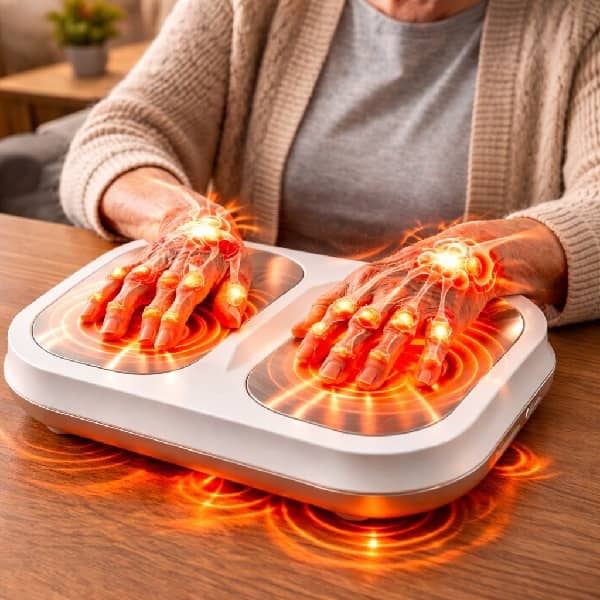
If you’re dealing with arthritis, you’re usually looking for two things: less pain and better movement.
Red light therapy can help support local inflammation and may make joints feel more comfortable in the short term. It’s often used around affected areas to improve circulation and reduce stiffness.
PEMF, on the other hand, tends to be the stronger option when the goal is deeper joint support. Many people with arthritis are less interested in temporary relief and more interested in improving how the joint functions over time. That’s where PEMF often becomes more appealing.
Simple takeaway:
- Red light → helps with surface-level inflammation and comfort
- PEMF → better aligned with deeper joint support and long-term function
For many people with arthritis, a combination approach can make sense—using red light for comfort and PEMF for deeper support.
Red Light vs PEMF for Knee Pain
Knee pain often sits right between surface irritation and deeper joint stress.
If your knees feel inflamed after activity, red light can support recovery and help reduce that irritated feeling.
If your knees feel worn down, unstable, or consistently uncomfortable, PEMF often becomes more attractive because it aligns better with joint-focused support.
Simple takeaway:
- Red light → helpful for post-activity inflammation and recovery
- PEMF → better for ongoing joint discomfort and deeper support
A lot of people with knee pain benefit from using both—red light for recovery, PEMF for joint support.
Red Light vs PEMF for Neck Pain
Neck pain is often a mix of muscle tension, posture issues, and sometimes nerve irritation.
Red light therapy can help relax tight muscles and improve circulation in the area, which may reduce discomfort.
PEMF may be more useful if your neck pain keeps coming back, feels deeper than just muscle tension, or is tied to broader structural or nervous system stress.
Simple takeaway:
- Red light → good for tight, sore muscles
- PEMF → better for recurring or deeper neck issues
Because neck pain is rarely just one thing, this is another situation where combining both therapies can be useful.
Red Light vs PEMF for Sciatica and Nerve Pain
If your pain feels sharp, radiating, tingling, or nerve-related, PEMF usually becomes much more relevant.
Red light may still help the surrounding tissue feel better, but nerve-related discomfort often points to a deeper issue than surface inflammation alone.
Simple takeaway:
- Red light → supportive, but limited for nerve-driven pain
- PEMF → more aligned with nerve and deeper signaling support
This is one of the clearest cases where people tend to move beyond red light and look for something more foundational.
Red Light vs PEMF for Back Pain
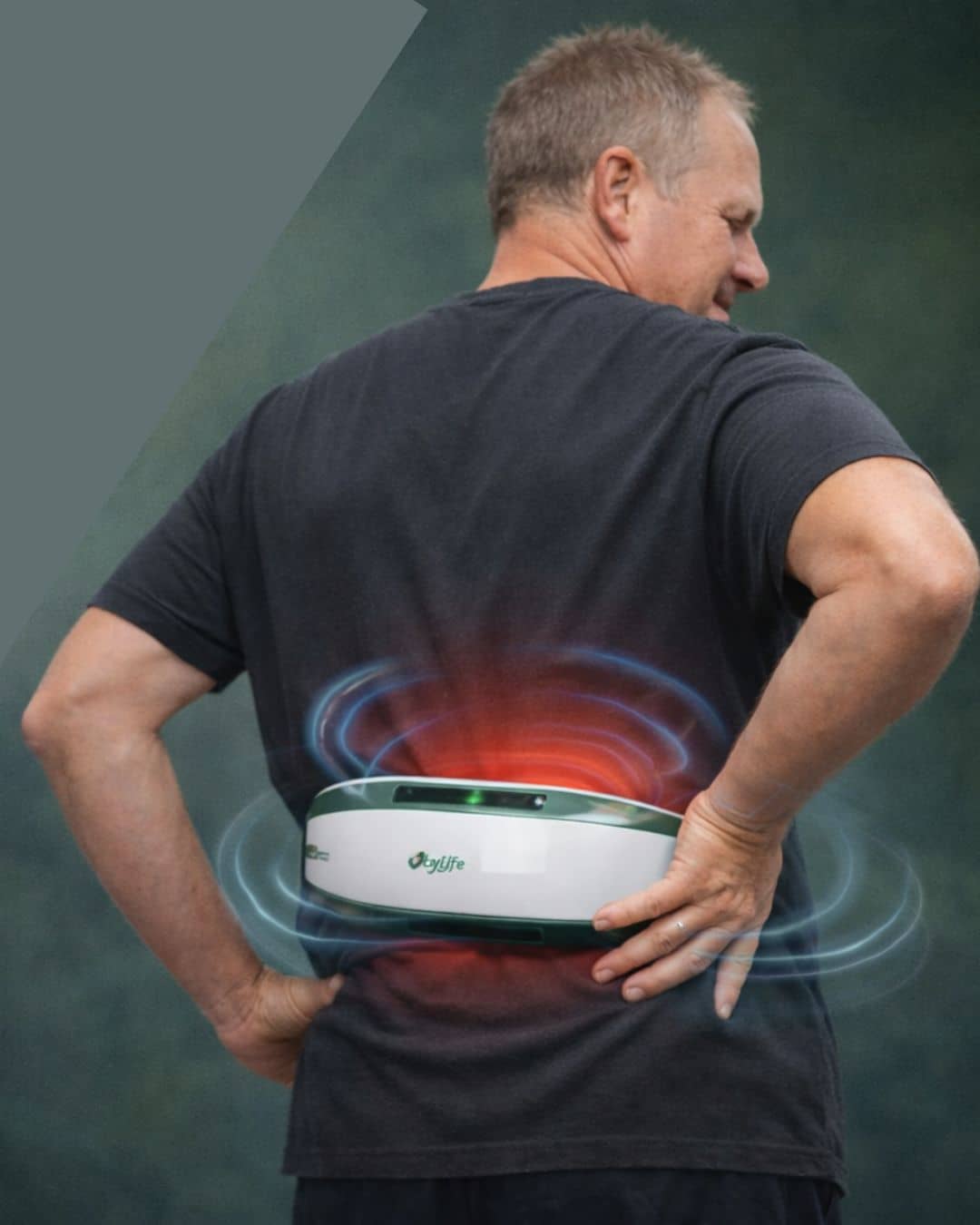
Back pain can come from multiple sources—muscle tension, posture, disc issues, or nerve involvement—so the right choice depends on what your back pain actually feels like.
If your pain feels tight, sore, or muscular, red light therapy may help loosen things up and improve circulation in the area.
If your pain is persistent, recurring, or feels deeper (especially if there’s nerve involvement or stiffness that doesn’t fully go away), PEMF usually becomes more relevant. It’s often chosen by people who feel like their back issue isn’t just surface-level.
Simple takeaway:
- Red light → useful for muscle tension and mild soreness
- PEMF → better for deeper, chronic, or recurring back issues
If your back pain has been around for a while, PEMF is often the direction people explore next.
Red Light vs PEMF for Sports Injuries and Recovery
If you’re active, training regularly, or recovering from injuries, both therapies can play a role.
Red light is commonly used to reduce soreness, improve circulation, and support quicker recovery between sessions.
PEMF may help support deeper repair, especially if you’re dealing with recurring injuries or areas that never seem to fully recover.
Simple takeaway:
- Red light → great for day-to-day recovery
- PEMF → useful for deeper repair and long-term resilience
For athletes or active individuals, stacking both therapies often provides the most complete support.
Why Combining Red Light and PEMF Works Better Than Either Alone
This is the part many people miss.
Once you stop treating red light and PEMF like rivals, the bigger opportunity becomes obvious.
They can complement each other.
Red light therapy can help energize tissue, support circulation, and improve local recovery.
PEMF can help support deeper function, cellular communication, and the kind of foundational support that becomes especially attractive in chronic or recurring issues.
Put together, that can create a more complete system.
Instead of asking one device to do everything, you let each technology do what it is best suited for.
That is often a better strategy than forcing a single tool to carry the full burden.
Why the Combination Makes Sense
Think of it this way.
Red light may help create momentum. It can support the body in ways that feel immediate, practical, and easy to maintain. It keeps you engaged.
PEMF may help create depth. It can address the layer people often feel they have been missing when they only focus on superficial support.
That combination of momentum plus depth is powerful.
It means you are not just chasing relief. You are building a broader support system.
A Simple Example Routine
A person might use red light regularly for circulation, inflammation support, and tissue recovery, while using PEMF as a deeper layer of support for joints, back issues, nerve discomfort, or chronic patterns.
That does not have to be overly complicated. The point is not to create a rigid protocol in this article. The point is to show that combining therapies can be strategic rather than redundant.
The Bigger Psychological Benefit
There is another advantage too: when people combine therapies intelligently, they often stop swinging emotionally between hope and disappointment.
Why?
Because they are no longer expecting one tool to be the universal answer.
That shift alone can make people more consistent, more realistic, and ultimately more successful.
Who Should Use Red Light vs PEMF?
If you are still wondering where you fit, here is the practical breakdown.
Start With Red Light If…
- You are new to wellness devices
- Your goals include skin, recovery, mild inflammation, or general energy support
- You want something approachable and easy to use
- You are looking for a habit that feels simple to maintain
Red light is often the easier entry point. It gives people a way to begin without feeling overwhelmed.
Consider PEMF First If…
- You are dealing with chronic pain or recurring discomfort
- Your issues feel deeper than surface irritation
- You are especially concerned with joints, back pain, nerve issues, or mobility
- You are less interested in trendy wellness and more interested in deeper support
PEMF tends to make more sense when the problem feels more serious, more persistent, or more foundational.
Consider Both If…
- You want a broader strategy rather than a single-tool solution
- You care about both recovery and deeper repair support
- You are trying to improve function, resilience, and long-term outcomes
- You want to build a more complete routine instead of just chasing symptom relief
For many people, “both” is not overkill. It is simply a smarter use of complementary tools.
What I Chose (And Why It Changed Everything)
At a certain point, it became obvious.
What I was dealing with wasn’t surface-level.
It was deeper—joints, inflammation, long-term wear and tear.
So I stopped asking:
“What feels good?”
And started asking:
“What actually matches the problem?”
That’s when everything shifted.
Red light therapy still had value.
It helped with:
- Surface inflammation
- Muscle recovery
- Day-to-day support
But it wasn’t enough on its own.
So I made PEMF and terahertz-based therapy the foundation.
Because that’s where the problem actually existed.
That decision changed everything.
Not because it was trendy…
But because it made sense.
I wasn’t chasing relief anymore.
I was targeting the root.
Red light became the support layer.
PEMF became the anchor.
And that combination is what finally started moving things in the right direction.

Why I Recommend Combining Both Instead of Forcing a Winner
A lot of marketing tries to force a binary choice because binary choices sell.
This or that. Winner or loser. Best or useless.
But health rarely works that way.
If red light supports one layer well and PEMF supports another layer well, then insisting that only one deserves a place in your routine may be the wrong mindset from the start.
That is why I lean toward combination rather than rivalry.
Use red light for what red light does well. Use PEMF for what PEMF does well. And stop demanding that one therapy carry the full load by itself.
That approach is more realistic, more nuanced, and, in many cases, more effective.
It also positions you better for long-term consistency, because you are no longer bouncing between exaggerated expectations and disappointment.
You are building a system.
And systems usually outperform silver bullets.
👉 Want Help Figuring Out What Would Work For You?
If you’re dealing with similar issues—chronic pain, stiffness, recovery problems—it can get confusing fast—it can be hard to know where to start.
There are a lot of options out there, and not all of them will be right for your situation.
What works best depends on what you’re dealing with, your goals, and how you plan to use it consistently.
If you want help figuring out what would actually make sense for you, you can book a call and we’ll go through your situation properly. If want a quick answer
👉 Message direct (just mention this post)
No pressure—just a chance to get clarity and see what approach fits your situation best.


💡 How to Compound Your Results
And here’s something that made an even bigger difference than I expected…
Even with the right tools, there was still a limit.
I noticed that when my weight crept up, or when my diet slipped, the pain got worse. Recovery slowed down. Everything felt harder.
But when I improved that—even slightly—everything else started working better.
That’s when it clicked:
Your metabolic health compounds everything.
📢 Shareable Insight
“No therapy works in isolation. When you improve your metabolic health, every recovery tool—EMS, PEMF, red light—starts working better.”
👉 Click to Tweet
Better weight, better energy, Less inflammation, better blood sugar control… all of it amplifies the results you get from any therapy you use.
So if I was starting again, I’d do two things in parallel:
- Use the right therapies for support
- Improve the underlying lifestyle factors that drive results
If you want a structured way to actually do that, that’s exactly why I created the 51 Day Metabolic Reset Challenge.
It focuses on improving metabolic health, building sustainable habits, and creating a foundation where everything else—recovery, energy, and even pain management—starts working better.
No hype. Just a clearer, more practical way to move forward.
Conclusion: The Real Answer Is Not Red Light vs PEMF Therapy
So, which one actually works better?
The honest answer is that it depends on what you need.
If you want approachable, versatile support for recovery, skin, inflammation, and mitochondrial function, red light therapy may be an excellent place to start.
If you want something that feels more aligned with chronic pain, joint issues, nerve discomfort, deeper recovery, or foundational support, PEMF may be the stronger fit.
And if you want the most complete strategy, there is a good argument for combining both rather than forcing a winner.
That is the bigger insight here.
This is not really a competition between two technologies. It is a question of depth, fit, and strategy.
Red light can help you support the body. PEMF can help you go deeper. A metabolic health reboot can help you compound the gains.
Put those pieces together, and you move away from the endless cycle of chasing the next trendy fix.
You start building a more intelligent system instead.
And that is where better long-term results usually begin.
Frequently Asked Questions
Which is better: red light vs PEMF therapy?
Neither is universally better. Red light is often better suited to skin support, recovery, mitochondrial support, and general inflammation support. PEMF is often more compelling for chronic pain, joint issues, deeper recovery, and problems that feel more foundational.
Can you use red light and PEMF together?
Yes, and for many people that is the strongest approach. Red light and PEMF can complement each other because they work through different mechanisms and support different layers of function. I did to manage pain and flare ups to put off talks of knee replacements.
Is PEMF better than red light for arthritis?
In many cases, PEMF sounds more aligned with arthritis because the issue is deeper and joint-related. Red light may still play a supporting role for inflammation and comfort, but PEMF is often the therapy people explore when they want deeper support.
Is red light therapy better for inflammation?
Red light can absolutely be useful for inflammation support, especially localized inflammation and post-exercise soreness. But if inflammation is tied to deeper chronic issues, PEMF may deserve stronger consideration.
Which is better for back pain: red light vs PEMF Therapy?
It depends on the type of back pain. For muscle tension and localized support, red light may help. For deeper or recurring back pain, especially when nerves or structural stress are involved, PEMF often becomes more compelling.
Which should beginners start with?
Many beginners start with red light because it is simpler to understand and easier to adopt. But if the person’s main issue is chronic pain or deeper dysfunction, PEMF may actually be the better first investment.
Is PEMF worth the investment?
That depends on what problem you are trying to solve. If you only want a light wellness upgrade, you may not need it immediately. If you are dealing with deeper issues and want a more serious support tool, PEMF may be well worth considering.
Do I need both red light and PEMF?
Not everyone needs both right away. But many people may benefit from using both over time, especially if they want support across multiple layers of recovery, healing, and long-term wellness.
Are there other frequency therapies besides red light and PEMF?
Yes—red light therapy and PEMF are two of the most popular options, but they’re not the only frequency-based therapies available.
Other common therapies include EMS (Electrical Muscle Stimulation) and TENS (Transcutaneous Electrical Nerve Stimulation).
- EMS therapy is typically used to stimulate muscles directly, helping with strength, recovery, and rehabilitation.
- TENS therapy is more focused on pain relief by sending low-voltage electrical signals to reduce discomfort and interrupt pain signals.
Each therapy works differently and targets different layers of the body:
- Red light → surface-level tissue and cellular energy
- PEMF → deeper cellular communication, pain relief and joint support
- EMS → muscle activation and recovery
- TENS → pain signal modulation
- Terahertz → circulation support and cellular stimulation with immediate warming effect
The best choice depends on your goal. In many cases, these therapies can complement each other rather than compete.


Wow powerful read. These are two phenomenal technologies and I enjoy them for different reasons. My P90+ is the best of both worlds.
Thank you. yep the P90+ is certainly one of the best options for sure.