
Drug-Free Chronic Pain Relief: 5 Therapies That Actually Work
If you’re searching for drug-free chronic pain relief, you’re probably tired of the same frustrating cycle: pain shows up, you take something for it, it goes away temporarily… and then it comes back again.
I’ve been there.

For years, I dealt with persistent knee pain that didn’t just affect workouts—it affected how I walked, how I sat, even how I slept. Like most people, I looked for quick fixes first. Painkillers. Rest. Ignoring it. Hoping it would magically disappear.
It didn’t.
That’s when I started asking a different question—not “how do I stop the pain?” but:
“What’s actually causing this… and how do I fix it without relying on medication?”
That shift led me down a path of discovering therapies that don’t just mask pain—they help your body heal.
In this post, I’ll break down five drug-free therapies that actually work, explain how they target the root causes of pain, and share the exact approach I chose based on my own experience.
Why Painkillers Aren’t the Answer
Painkillers can be useful in the short term. There’s no denying that.
But they don’t solve the real problem. This is why more people are now looking for drug-free chronic pain relief that actually addresses the root cause.
Most medications work by blocking pain signals or reducing inflammation temporarily. That might sound helpful, but it creates a dangerous illusion: the pain is gone, so the problem must be gone too.
In reality, the underlying issue often remains—and sometimes gets worse.
Over time, this leads to:
- Dependency on medication
- Reduced effectiveness (tolerance)
- Potential side effects on the gut, liver, and kidneys
- Delayed healing because the root cause is ignored
Pain is a signal. It’s your body telling you something isn’t right.
If you constantly silence that signal without addressing the cause, you’re not healing—you’re postponing the problem.
What Causes Chronic Pain
To understand why drug-free therapies work, you need to understand what actually drives chronic pain—and why many people are turning to drug-free chronic pain relief solutions.
This isn’t just about one issue—it’s about multiple systems in the body breaking down or becoming inefficient over time.
Let’s break down the most common root causes in more detail.
Inflammation
Chronic inflammation is one of the biggest drivers of long-term pain. Unlike acute inflammation (which helps the body heal), chronic inflammation lingers in the body and continues to irritate tissues.
This can affect joints, muscles, and even organs. Over time, it creates stiffness, swelling, and ongoing discomfort that doesn’t fully go away.
What makes it worse is that many modern lifestyle factors—processed foods, poor sleep, high stress—constantly fuel inflammation. That means even if an injury heals, the inflammatory environment keeps the pain alive.
Poor Circulation
Your body relies on blood flow to deliver oxygen and nutrients to damaged tissues. Without proper circulation, healing slows down significantly.
When circulation is poor, waste products also build up in the area, which can increase discomfort and delay recovery even further.
This is why areas like knees, lower back, and feet often take longer to heal—they don’t always receive optimal blood flow, especially if you’re sedentary or dealing with underlying health issues.
Nerve Dysfunction
In some cases, the pain isn’t coming from damaged tissue—it’s coming from the nervous system itself.
Nerves can become hypersensitive, misfire, or continue sending pain signals long after an injury has healed. This is common in conditions like neuropathy or chronic back pain.
When this happens, the problem shifts from structural damage to signal dysfunction. That’s why treatments that target nerves directly can be so effective.
Muscle Imbalances and Tension
Muscles play a huge role in how your body moves and stabilizes itself. When certain muscles become weak or overly tight, they create imbalances that put extra stress on joints and surrounding tissues.
Over time, this leads to compensation patterns—your body starts moving in ways that avoid pain but create new problems elsewhere.
This is a major reason why pain often “moves” from one area to another instead of disappearing completely.
Cellular Damage and Energy Deficit
At the deepest level, your body heals through cellular activity. Every repair process depends on cells having enough energy to function properly.
When cellular energy is low, recovery slows down. Tissues don’t repair as efficiently, inflammation lingers longer, and pain persists.
This is where many modern therapies focus—improving cellular function so the body can heal itself more effectively.
The key takeaway?
Chronic pain isn’t just one problem—it’s a combination of systems not working optimally.
That’s why effective solutions need to target multiple areas at once.
What Types of Chronic Pain Can These Therapies Help With?
While everyone’s situation is different, many people turn to drug-free chronic pain relief methods to support a wide range of conditions. Most chronic pain isn’t caused by a single issue—it’s usually a mix of inflammation, poor circulation, nerve dysfunction, and muscle imbalances.
Because of this, therapies like red light therapy, PEMF, TENS, EMS, and frequency-based devices are often used together to support different aspects of healing. Below are some of the most common types of chronic pain people look to improve using these approaches.
Knee Pain
Knee pain is one of the most common complaints, especially as people get older or stay active. It’s often linked to inflammation, cartilage wear, or poor circulation around the joint, which slows down recovery and increases stiffness.
Drug-free chronic pain relief approaches like red light therapy and PEMF are often used to support joint recovery, reduce inflammation, and improve mobility over time. When combined with better movement and consistency, many people notice less discomfort and improved function in the knee.

Lower Back Pain
Lower back pain affects a huge number of people and can come from multiple sources, including muscle tension, disc issues, inflammation, and nerve irritation. Sitting for long periods and poor posture often make it worse.
A combination of therapies such as TENS for temporary relief, PEMF for deeper support, and EMS for muscle activation can form a more complete drug-free chronic pain relief strategy. Addressing both the symptoms and underlying causes tends to produce better long-term results.
Neck and Shoulder Pain
Neck and shoulder pain is commonly linked to posture, stress, and muscle tightness. Many people carry tension in this area without realizing it, which leads to chronic discomfort over time.
Therapies that improve circulation and relax muscles—such as red light therapy and EMS—are often used as part of a drug-free chronic pain relief routine. When combined with better posture and movement, this can significantly reduce tension and stiffness.
Joint Pain and Arthritis
Joint pain, including arthritis, is heavily driven by inflammation and reduced mobility. Over time, joints can become stiff, swollen, and painful, making everyday movement more difficult.
Drug-free chronic pain relief methods like red light therapy and PEMF are often used to support joint health by reducing inflammation and improving cellular repair. While they don’t replace medical treatment, they can play a valuable role in managing discomfort and improving quality of life.
Nerve Pain (Neuropathy)
Nerve pain can feel very different from other types of pain. It often presents as burning, tingling, numbness, or sharp shooting sensations, and it may persist even after the original injury has healed.
Therapies such as TENS and frequency-based devices are commonly used to help regulate nerve signals and support function. As part of a broader drug-free chronic pain relief approach, these methods may help reduce discomfort and improve daily function.
Muscle Pain and Stiffness
Muscle pain can come from overuse, injury, or long periods of inactivity. Tight or weak muscles can create ongoing discomfort and place additional stress on joints.
EMS therapy is often used to stimulate muscle contractions and improve function, while red light therapy supports recovery. Together, they form part of a drug-free chronic pain relief strategy focused on restoring normal movement and reducing stiffness.
Foot Pain and Circulation Issues
Foot pain is often overlooked, but it can have a major impact on overall mobility and comfort. Poor circulation, nerve issues, and inflammation can all contribute to discomfort in the feet.
Frequency-based therapies, including foot-based devices, are often used to support circulation and promote relaxation. As part of a drug-free chronic pain relief routine, improving blood flow in the feet can also benefit the entire body.

Hip Pain
Hip pain is commonly caused by muscle imbalances, joint wear, or inflammation. It can affect walking, sitting, and even sleeping, making it a significant quality-of-life issue.
Combining therapies like PEMF, red light, and EMS can help support the surrounding muscles and joint structures. This creates a more complete drug-free chronic pain relief approach that targets both mobility and recovery.
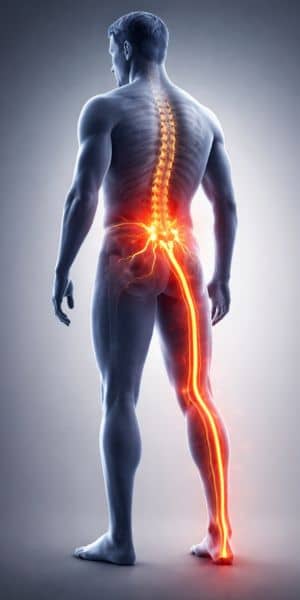
Sciatica
Sciatica involves pain that radiates along the sciatic nerve, often from the lower back down through the leg. It can be sharp, burning, or tingling, and is usually linked to nerve compression or irritation.
TENS therapy is often used for temporary relief, while other therapies support the surrounding tissues and circulation. Together, they can form a more effective drug-free chronic pain relief strategy for managing symptoms.
Chronic Inflammation and General Pain
Some people don’t have one specific injury but instead deal with ongoing, widespread discomfort. This is often linked to chronic inflammation and poor recovery at a systemic level.
In these cases, combining multiple therapies with lifestyle changes can create a powerful drug-free chronic pain relief approach. Improving cellular function, circulation, and inflammation levels can lead to noticeable improvements over time.
Wrist and Hand Pain
Wrist and hand pain is common for people who spend a lot of time on computers or performing repetitive tasks. Conditions like carpal tunnel or general overuse can lead to persistent discomfort.
TENS and EMS therapies are often used to support nerve and muscle function in these areas. As part of a drug-free chronic pain relief strategy, they can help reduce strain and improve daily usability.
Shoulder Injuries and Rotator Cuff Issues
Shoulder pain often comes from overuse, injury, or instability in the joint. Rotator cuff issues are particularly common and can limit range of motion.
Red light therapy and PEMF are frequently used to support tissue repair and reduce inflammation. When combined with movement and strengthening, they contribute to a well-rounded drug-free chronic pain relief plan.

5 Drug-Free Therapies That Actually Help
This is the section most people are looking for—If you’re serious about finding real drug-free chronic pain relief, these are the therapies that consistently deliver results.
Instead of giving you surface-level explanations, let’s break each therapy down so you understand what it does, how it feels, and when it makes the most sense to use.
1. Red Light Therapy
Red light therapy, also known as photobiomodulation, uses specific wavelengths of red and near-infrared light to penetrate the skin and stimulate cellular activity.
At a deeper level, it helps your cells produce more ATP (energy). That matters because every repair process in your body depends on cellular energy.
When your cells have more energy, they repair faster, reduce inflammation more efficiently, and function the way they’re supposed to.
What it feels like: Most people describe it as a gentle warmth. There’s no pain, no discomfort—just a relaxing sensation during use.

What it’s best for:
- Joint pain (knees, shoulders, elbows)
- Muscle soreness and recovery
- Chronic inflammation conditions like arthritis
What most people get wrong: They use it once or twice and expect instant results. Red light therapy works best with consistent use over time.
Who it’s ideal for: Anyone dealing with inflammation-based pain or slow recovery.
This makes red light therapy one of the most effective tools for drug-free chronic pain relief, especially for inflammation-based conditions.
2. PEMF Therapy
PEMF (Pulsed Electromagnetic Field) therapy works by sending low-frequency electromagnetic waves into the body to support cellular function.
Think of it as “recharging” your cells. It helps restore normal electrical activity, which improves how your cells absorb nutrients and release waste.
This creates an environment where healing can actually happen.
What it feels like: You may feel a subtle pulsing or nothing at all. The effects are happening beneath the surface at a cellular level.
What it’s best for:
- Deep tissue pain
- Chronic inflammation
- Injury recovery
What most people get wrong: They underestimate how powerful it is because they can’t feel it strongly. PEMF works quietly but effectively over time.
Who it’s ideal for: People dealing with long-term, stubborn pain that hasn’t responded to surface-level treatments.
This is why PEMF therapies like this are becoming a key part of many people’s drug-free chronic pain relief strategy.
3. Terahertz Therapy
Terahertz therapy uses specific frequency waves that interact with water molecules in the body, helping improve circulation and support detoxification.
This matters because poor circulation and toxin buildup often contribute to chronic pain.
By improving blood flow and supporting the body’s natural processes, this therapy helps create a better internal environment for healing.
What it feels like: A gentle warming sensation, especially when used through a foot-based system like the TERA P90 Plus.
What it’s best for:
- Poor circulation
- Neuropathy or nerve-related pain
- General full-body recovery
Where most people get it wrong: They don’t realize how important circulation is. Without it, healing slows down no matter what else you try.
Who it’s ideal for: Anyone dealing with cold extremities, numbness, or slow recovery.
4. TENS Therapy
TENS (Transcutaneous Electrical Nerve Stimulation) works by sending electrical impulses through the skin to disrupt pain signals before they reach the brain.
In simple terms, it blocks the message that says “this hurts.”
This makes it one of the fastest-acting options for pain relief.
What it feels like: A tingling or pulsing sensation. You can adjust the intensity to your comfort level.

What it’s best for:
- Back pain
- Neck pain
- Acute flare-ups
What most people get wrong: They rely on it as a long-term solution. TENS is great for relief, but it doesn’t fix underlying causes on its own.
Who it’s ideal for: People who want quick, temporary relief while working on deeper healing strategies.
5. EMS Therapy
EMS (Electrical Muscle Stimulation) focuses on activating muscles through electrical impulses, causing them to contract and relax.
This helps improve muscle strength, reduce stiffness, and support recovery—especially when normal movement is limited.
What it feels like: Rhythmic muscle contractions. It can feel unusual at first, but most people adapt quickly.
What it’s best for:
- Muscle weakness
- Rehabilitation after injury
- Stiff or inactive muscles
What most people get wrong: They think it replaces exercise. It doesn’t—but it can enhance recovery and improve muscle function alongside it.
Who it’s ideal for: Anyone recovering from injury or dealing with muscle-related pain.
The Big Insight Most People Miss
Each of these therapies works—but they target different root causes.
- Red light → inflammation and cellular repair
- PEMF → cellular function and deep healing
- Terahertz → circulation and detox
- TENS → pain signal interruption
- EMS → muscle activation and recovery
That’s why combining them often produces better results than relying on just one.
Which Therapy Is Right for You?
Choosing the right therapy depends on your type of pain.
- Inflammation → Red Light or PEMF
- Nerve pain → TENS or Terahertz
- Muscle issues → EMS
However, here’s the key insight most people miss:
You don’t have to choose just one.
In fact, combining therapies often produces better results because they target different root causes at the same time. Choosing the right combination is what turns these tools into a real drug-free chronic pain relief strategy.
My Personal Experience With Chronic Knee Pain (And What I Chose)
My journey into frequency-based technologies didn’t start from curiosity—it started from frustration.
I was dealing with ongoing chronic knee pain that just wouldn’t go away. It wasn’t a one-off injury either.
It started years ago with arthroscopies and eventually led to a full knee reconstruction in my early 20s. Since then, there have been countless smaller strains, knocks, and setbacks along the way.

Over time, it’s developed into what I’d describe as arthritic knees—constantly inflamed, especially after exercise or physical activity.
Some days it feels stiff. Other days it flares up more than usual. And at this point, I can’t fully straighten my right knee, although that’s something I’m actively working on improving.
Every Day there is some level of discomfort/pain. You get used to a certain level of pain over time—it just becomes part of how things feel.
But then there are moments where it spikes. You go to turn, step, or shift your weight, and there’s a sharp, shooting pain through the knee that makes you flinch instantly. The kind where you have to catch yourself so you don’t lose your balance.
It’s not just uncomfortable—it’s frustrating. It affects how you move, how you train, and even how confident you feel doing everyday things.
Living with that consistently wears you down. And after a while, you stop looking for quick fixes and start looking for something that can actually help.
That’s what pushed me to start exploring different therapies that could support healing and recovery at a deeper level.
Why I Started Exploring Frequency Therapy
I wasn’t just looking for temporary relief—I wanted a long-term, drug-free chronic pain relief approach that actually worked.
That led me into the world of frequency-based therapies.
At first, I looked into TENS for immediate pain relief. Then I started learning about other technologies like red light therapy, PEMF, and terahertz therapy.
Each one seemed to target a different layer of the problem—pain signals, inflammation, circulation, and cellular function.
That’s when it clicked.
Instead of relying on a single approach, I started thinking in terms of combining therapies for better results.
📢 Shareable Insight
You don’t realize how much pain affects your life until it starts dictating how you move, train, and live every single day.
👉 Click to Tweet
What I Personally Chose (And Why)
I ended up choosing a device that combines multiple technologies in one system.
It integrates PEMF, terahertz, and red light therapy to support both short-term relief and deeper recovery.
This made more sense to me than relying on a single-function device.
TENS helped me understand how powerful signal-based pain relief could be, but I wanted something that also supported healing and recovery at a deeper level.
By combining multiple technologies, I felt like I was addressing both the symptoms and the underlying stress on my body.

Want Help Choosing the Right Device?
If you’re dealing with something similar—whether it’s joint pain, slow recovery, or just wanting to feel better overall—it can be hard to know where to start.
There are a lot of options out there, and not all of them will be right for your situation.
What works best depends on what you’re dealing with, your goals, and how you plan to use it consistently.
If you want help figuring out what would actually make sense for you, you can book a call and we’ll go through your situation properly. If want a quick answer
👉 Message direct (just mention this post)
No pressure—just a chance to get clarity and see what approach fits your situation best.


What I Noticed
After using this approach consistently, I started noticing several changes.
- My knee felt less stiff, especially after activity
- Flare-ups became easier to manage
- Recovery between workouts improved
- I felt more confident moving without worrying about pain
It wasn’t an overnight fix, but the consistency made a difference.
The biggest shift wasn’t just less pain—it was having a system I could rely on.
Consistency vs Quick Fixes
This is where most people go wrong.
They try something once or twice, don’t see immediate results, and give up.
But healing doesn’t work like that.
Drug-free therapies rely on compounding effects.
Each session builds on the last.
Over time, your body starts to function better, recover faster, and reduce pain naturally.
Consistency beats intensity every time.
Lifestyle Factors That Accelerate Results
Therapies can help reduce pain, but your daily habits determine how quickly your body recovers—and whether the results last.
Think of it this way: therapies give your body the tools to heal, while lifestyle creates the environment where healing either accelerates or stalls. If that environment stays inflamed, stressed, and depleted, progress slows. If you clean it up, results start to compound.
Below are the key lifestyle factors that consistently make the biggest difference.
Diet and Inflammation
What you eat directly influences inflammation levels in your body. When inflammation stays elevated, tissues remain irritated, recovery slows, and pain tends to linger.
Many people unknowingly fuel this process every day through highly processed foods, refined sugars, and industrial seed oils. These foods don’t just lack nutrients—they actively promote inflammation, which makes healing harder.
On the flip side, whole, nutrient-dense foods support repair. When you give your body quality inputs, it responds by reducing inflammation and improving recovery capacity.
Focus on simple shifts:
- Prioritize whole foods over packaged options
- Include healthy fats like eggs, fish, and olive oil
- Get enough protein to support tissue repair
- Include fermented foods like kefir, kimchi, and sauerkraut to support gut health and the microbiome
You don’t need a perfect diet. But the cleaner your inputs, the easier it becomes for your body to heal.
Movement and Mobility
Movement plays a critical role in reducing pain, yet it’s often overlooked—especially when pain makes you want to stay still.
When you stop moving, circulation decreases, muscles tighten, and joints stiffen. This creates a feedback loop where pain leads to less movement, and less movement leads to more pain.
Breaking that cycle requires consistent, low-impact movement—not extreme workouts.
Start with:
- Daily walking to improve circulation
- Gentle stretching to reduce stiffness
- Mobility exercises to support joint health
- Low-impact activities like swimming or cycling

Movement acts like a pump for your body. It delivers oxygen and nutrients to damaged areas and helps remove waste buildup that contributes to discomfort.
Sleep and Recovery
Sleep is where most of your healing actually happens.
During deep sleep, your body repairs tissues, regulates inflammation, and resets your nervous system. If your sleep quality is poor, your recovery will always be limited—no matter what therapies you use during the day.
Many people underestimate this. They focus on treatments but ignore the hours when the body does the most work.
Improving sleep doesn’t need to be complicated:
- Go to bed at a consistent time
- Reduce screen exposure before sleep
- Keep your room cool and dark
- Avoid heavy meals late at night
Even small improvements in sleep quality can noticeably accelerate recovery and reduce pain over time.
Stress and Nervous System Regulation
Chronic stress keeps your body in a constant “fight or flight” state.
When this happens, your body prioritizes survival over healing. Inflammation rises, muscles stay tense, and your nervous system becomes more sensitive to pain signals.
This is why pain often feels worse during stressful periods—even without new injuries.
Learning to regulate your nervous system can significantly improve how your body responds to pain.
Simple strategies include:
- Deep breathing exercises
- Spending time outdoors
- Reducing constant screen stimulation
- Taking intentional breaks during the day
When your body feels safe, it shifts into a state where repair and recovery can actually take place.
The Bigger Picture
You don’t need to change everything at once.
But the more of these factors you improve, the more your results compound over time.
If you want a simple, structured way to put all of this into action, my 51 Day Metabolic Health Reset Challenge walks you step-by-step through the habits that help your body heal and perform at its best.
Therapies give your body the tools—but your lifestyle determines how effectively those tools work.
Common Mistakes to Avoid
- Expecting instant results
- Using therapies inconsistently
- Ignoring lifestyle factors
- Relying on one method only
- Choosing low-quality devices
Avoid these, and you’ll already be ahead of most people.
Are These Therapies Backed by Science?

Yes—many of these therapies have growing bodies of research supporting their effectiveness.
Red light therapy and PEMF, in particular, have been studied for their effects on inflammation, circulation, and cellular repair.
While not every claim is equal, the core mechanisms behind these therapies are well understood.
The key is using them consistently and realistically.
📢 Shareable Insight
“You don’t need stronger medication—you need a better strategy to help your body heal itself…”
👉Click to Tweet
Final Thoughts
Chronic pain can feel overwhelming, especially when nothing seems to work long term.
But the truth is, your body has an incredible ability to heal—if you give it the right support.
Drug-free therapies offer a different path.
Not a quick fix, but a sustainable solution.
The right combination of therapies and habits can create a sustainable path toward drug-free chronic pain relief.

Frequently Asked Questions (FAQ)
What is the best drug-free therapy for chronic pain?
There’s no single best option. The most effective approach usually combines multiple therapies that target inflammation, circulation, nerve signals, and muscle function.
Do red light therapy devices actually work for joint pain?
Yes, many people use red light therapy to reduce inflammation and support tissue repair in areas like knees, shoulders, and elbows. Consistent use matters more than intensity.
Is PEMF therapy effective for deep or chronic pain?
Home PEMF therapy can support cellular function and oxygen delivery, which helps with deeper, stubborn pain that doesn’t respond to surface-level treatments.
What is terahertz therapy used for?
Terahertz therapy focuses on improving circulation and supporting detox processes, which can help with nerve-related pain, numbness, and slow recovery.
Does TENS therapy cure pain or just mask it?
TENS therapy mainly blocks pain signals for temporary relief. It works well for flare-ups but should be combined with therapies that address root causes.
Can EMS therapy help with muscle pain and stiffness?
Yes, EMS stimulates muscle contractions to improve strength, reduce stiffness, and support recovery, especially after injury or inactivity.
Can you combine red light, PEMF, and other therapies together?
Yes, combining therapies often produces better results because each one targets a different cause of pain, such as inflammation, circulation, or nerve function.
How long does it take to see results from these therapies?
Most people notice gradual improvements over a few weeks. Chronic pain takes time to reverse, so consistency is key.
Are these therapies safe for daily use?
Most are considered safe when used as directed. If you’re specifically looking at PEMF, this PEMF therapy safety guide explains the key precautions. Always follow device guidelines and start with shorter sessions if you’re new.
What type of pain responds best to drug-free therapies?
Joint pain, muscle soreness, nerve pain, inflammation-related pain, and chronic conditions often respond well when therapies are used consistently.
Can these therapies help with knee pain or back pain?
Yes, many people use a combination of therapies to reduce knee pain, lower back pain, and stiffness by improving circulation and reducing inflammation.
Do these therapies work for nerve pain or neuropathy?
Therapies like TENS and terahertz can support nerve function and help reduce discomfort associated with nerve-related pain.
What is the fastest way to relieve chronic pain naturally?
There’s no instant fix, but combining therapies with improved sleep, diet, and movement often produces the fastest sustainable results.
Are home therapy devices worth it?
They can be, especially if they help you stay consistent. The real benefit comes from regular use over time, not occasional sessions.
Do I need to use all five therapies to get results?
No, but using multiple complementary therapies often leads to better outcomes than relying on just one.
Can lifestyle changes really reduce chronic pain?
Yes, improving diet, sleep, movement, and stress levels can significantly reduce inflammation and accelerate healing.
Is inflammation always the cause of chronic pain?
Not always, but it’s one of the most common drivers. Many therapies aim to reduce inflammation while improving circulation and cellular repair.
What’s the best therapy for inflammation-related pain?
Red light therapy and PEMF are often used to target inflammation and support cellular recovery.
Can poor circulation cause chronic pain?
Yes, reduced blood flow slows healing and allows waste buildup, which can increase discomfort and prolong recovery.
How do I choose the right therapy for my pain?
Start by identifying the root cause—whether it’s inflammation, nerve issues, or muscle dysfunction—then choose therapies that target those areas.


Chronic pain was a struggle for me for several years and I’m so grateful that I discovered this technology over a year ago. Thank you for sharing this information.
Thank you, I appreciate that you went down the same road for pain relief I did. Worked for both of us. Rock on Buddy.