
Red Light Therapy for Pain and Inflammation: How It Works
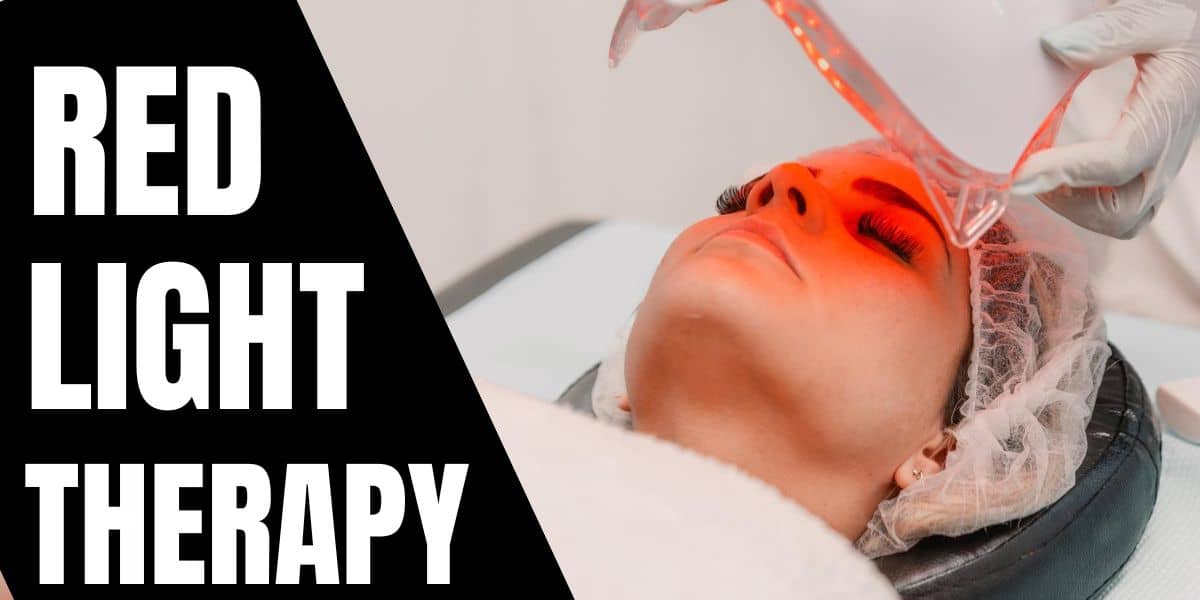
Red light therapy has quickly become one of the most talked-about tools for natural pain relief and inflammation support. Instead of masking symptoms, red light therapy works at a cellular level to help your body repair, recover, and function more efficiently.
Many people discover red light therapy after struggling with ongoing joint pain, muscle soreness, or slow recovery from injuries. What makes it so appealing is that it supports the body’s own healing systems rather than overriding them.
In this guide, you’ll learn how it works, what it can help with, and how to use it as part of a complete, results-driven approach to better health.
What Is Red Light Therapy?
Red light therapy uses specific wavelengths of red and near-infrared light to stimulate healing within the body. These wavelengths penetrate the skin and interact directly with your cells.
Inside your cells, light energy supports a process called photobiomodulation. This process helps your cells produce more energy, which improves how they function and repair themselves.
Think of it this way: when your cells have more energy, everything works better—healing speeds up, inflammation settles down, and your body becomes more resilient.
How Red Light Therapy Works Inside the Body
Your body relies on tiny structures called mitochondria to produce energy. These act like power generators for every cell.
Red light therapy stimulates these mitochondria, helping them produce more ATP (adenosine triphosphate — cellular energy). When ATP increases, your body can:
- Repair damaged tissue more efficiently
- Reduce inflammation faster
- Improve circulation
- Support overall recovery
For example, someone dealing with a muscle strain may notice quicker recovery times because their cells now have the energy required to rebuild tissue.
How Red Light Therapy Reduces Pain
Pain often comes from inflammation, poor circulation, or tissue damage. Red light therapy targets all three.
When you apply red light therapy to an area like your lower back or shoulder, it increases blood flow and oxygen delivery. This helps flush out waste products and bring in nutrients needed for repair.
Many users report that areas treated consistently begin to feel looser, less inflamed, and more functional over time.
For example, someone with chronic back pain may start with daily sessions and notice reduced stiffness within a few weeks, followed by improved mobility.

How Red Light Therapy Helps Reduce Inflammation
Inflammation plays a role in nearly every chronic condition.
Red light therapy helps regulate inflammatory responses by improving circulation and supporting cellular repair. Instead of letting inflammation linger, the body can process and resolve it more efficiently.
For instance, swelling around a joint may gradually decrease with consistent use, allowing for better movement and reduced discomfort.
Conditions That May Benefit from Red Light Therapy
Red Light Therapy for Joint Pain
Joint pain often comes from wear and tear, inflammation, or reduced circulation. Red light therapy helps improve blood flow and supports tissue repair, which can make joints feel more mobile and less stiff over time.
Red Light Therapy for Arthritis
Arthritis creates ongoing inflammation in the joints. Many people use red light therapy to help manage stiffness and improve daily movement. With consistent use, joints may feel more flexible and less restricted.
Red Light Therapy for Muscle Pain
Muscle soreness usually results from microscopic damage and inflammation. Red light therapy supports faster recovery by helping the body repair those tissues more efficiently.
Red Light Therapy for Back Pain
Back pain often involves tight muscles and poor circulation. Applying red light therapy to the area can help relax muscles and improve blood flow, leading to gradual relief.
Red Light Therapy for Knee Pain
Knee pain can limit movement and affect daily life. Red light therapy may help reduce inflammation around the joint and improve overall function with regular use.
Red Light Therapy for Tendonitis
Tendon injuries can take a long time to heal. Red light therapy supports circulation and tissue repair, which may help speed up recovery.
Red Light Therapy for Nerve Pain
Nerve-related discomfort can feel sharp or persistent. Some users report that consistent red light therapy sessions help reduce irritation and improve comfort.

Red Light Therapy for Sports Injuries
Athletes often use red light therapy to recover faster from injuries and get back to training sooner. It supports tissue repair and reduces downtime.
Symptoms Red Light Therapy May Help Improve
You might not always know the exact condition you’re dealing with—but you definitely know how your body feels.
Maybe you wake up stiff. Maybe your shoulders feel tight after a long day. Or maybe you’re dealing with lingering soreness that just won’t go away.
Red light therapy is often used to support symptoms like:
- Ongoing inflammation that doesn’t seem to settle
- Muscle soreness after workouts or physical activity
- Swelling around joints or injured areas
- Stiffness that limits movement
- Slow recovery from injuries
For example, if your shoulder feels tight and restricted, consistent red light therapy sessions may help improve circulation in that area, allowing it to loosen up and function more freely over time.
Instead of focusing only on a diagnosis, you can focus on improving how your body feels day to day—and that’s where this kind of therapy becomes powerful.
Red Light Therapy for Skin Health
Red light therapy isn’t just about pain and inflammation—it’s also widely used to support healthier, more resilient skin.
Because it works at a cellular level, it helps stimulate collagen production, improve circulation, and support tissue repair. Over time, this can lead to smoother skin, improved tone, and faster healing.
People often turn to red light therapy for:
- Improving skin texture and firmness
- Supporting collagen production
- Reducing acne-related inflammation
- Speeding up wound healing and reducing the appearance of scars
Many users report noticeable improvements after consistent use.
For example:
- Some people say their skin looks clearer and more even after a few weeks, especially when dealing with acne or irritation.
- Others notice that fine lines appear softer as collagen production improves.
- Some report that cuts, blemishes, or minor skin damage heal faster than usual.
While results vary, one common theme stands out—when the skin has better circulation and cellular energy, it tends to repair and renew more effectively.
This is why red light therapy is now used not only for recovery and pain relief, but also as part of regular skin health and anti-aging routines.
Red Light Therapy for Muscle Recovery and Athletic Performance
If you train regularly, you already know that progress doesn’t just come from working harder—it comes from recovering better.
Red light therapy has become increasingly popular among athletes and active individuals because it supports faster recovery at a cellular level.
After intense exercise, your muscles experience microscopic damage. This is a normal part of building strength, but it also leads to soreness, inflammation, and fatigue.
Red light therapy helps your body repair that damage more efficiently by improving circulation and increasing cellular energy production.

This can lead to:
- Reduced post-workout soreness
- Faster recovery between sessions
- Improved muscle performance over time
For example:
- Someone who lifts weights regularly might notice that their usual soreness fades faster, allowing them to train more consistently.
- Runners often report less stiffness in their legs after long sessions when they use red light therapy as part of their recovery routine.
- People returning from injury may find they can rebuild strength more smoothly because their tissues are recovering more efficiently.
Instead of needing long recovery periods, your body becomes more efficient at repairing itself—meaning you can stay active without constantly feeling run down.
Red Light Therapy for Circulation and Cellular Energy
Circulation and cellular energy sit at the core of how well your body heals, performs, and recovers.
When blood flow slows down, your tissues receive less oxygen and fewer nutrients. At the same time, waste products can build up in the area. This combination often leads to stiffness, fatigue, and slower recovery.
Red light therapy supports circulation by helping blood vessels relax and expand. This allows more oxygen-rich blood to reach the tissues that need repair.
At the same time, it boosts ATP (adenosine triphosphate — cellular energy) production inside your cells. This gives your body the energy it needs to carry out repair processes more efficiently.
When both circulation and cellular energy improve together, you create the ideal environment for healing.
In practical terms, this can look like:
- A tight muscle gradually loosening as blood flow improves
- An injured area recovering faster because nutrients reach it more efficiently
- A general increase in energy levels as your cells function better
Many people notice that when they use red light therapy consistently, they feel less sluggish and more physically capable.
Instead of constantly fighting fatigue or slow recovery, your body begins to operate with more efficiency and resilience.
Does Red Light Therapy Actually Work?
This is one of the most common questions—and it’s a fair one.
The short answer is yes, but results depend on how you use it and the overall state of your health.
Red light therapy has been studied for its effects on inflammation, recovery, and cellular function. Many findings point toward improvements in tissue repair, reduced soreness, and better recovery when used consistently.
However, the biggest factor isn’t just the technology—it’s how you apply it.

People who tend to get the best results usually:
- Use it consistently (rather than occasionally)
- Target the right areas
- Combine it with good nutrition and lifestyle habits
For example:
- Someone using red light therapy daily on a sore knee may start to notice reduced stiffness and better movement over time.
- Someone recovering from workouts may find they bounce back faster when they include it as part of their routine.
On the other hand, using it once in a while and expecting instant results often leads to disappointment.
Think of it like exercise or nutrition—it works best when it becomes part of a consistent system.
When used properly, red light therapy can become a reliable tool that supports your body’s natural ability to repair, recover, and perform at a higher level.
Red Light Therapy vs Other Frequency-Based Therapies
Red light therapy sits within a much broader category often referred to as frequency-based or energy-based healing technologies.
These approaches all work on a similar principle: instead of forcing change in the body, they aim to support and enhance how the body already functions at a cellular level.
Red light therapy focuses on light energy, but it’s not the only option available.
Other commonly used technologies include:

PEMF therapy (Pulsed Electromagnetic Field)
PEMF therapy uses electromagnetic pulses to stimulate cells and improve how they communicate with each other. This can support circulation, oxygen delivery, and overall cellular function. Many people use PEMF for full-body support, especially when dealing with chronic pain, fatigue, or slow recovery. It’s often described as a foundational therapy because it works system-wide rather than just targeting one specific area.
Terahertz therapy
Terahertz therapy uses a specific frequency range that is often associated with improving circulation and supporting cellular activity at a deeper level. Users commonly report a warming sensation and improved blood flow, which can help with stiffness and recovery. It’s often used alongside other therapies to enhance their overall effect, especially when targeting deeper tissues.
EMS (Electrical Muscle Stimulation)
EMS works by sending electrical impulses directly to muscles, causing them to contract. This can help improve muscle strength, circulation, and recovery. It’s commonly used in rehabilitation settings as well as fitness routines. People often use EMS to activate muscles that are difficult to engage or to support recovery after intense training.
TENS (Transcutaneous Electrical Nerve Stimulation)
TENS focuses on pain relief by sending low-level electrical signals to the nerves. These signals can help block pain signals from reaching the brain and may also stimulate the release of endorphins. Many people use TENS as a short-term solution for managing discomfort, especially for back pain, joint pain, or nerve-related issues.
Radio frequency therapy
Radio frequency therapy uses electromagnetic waves to generate heat within tissues. This can improve circulation, stimulate collagen production, and support tissue repair. It’s commonly used for both pain management and skin health, making it a versatile option in the broader category of frequency-based therapies.
Why People Combine These Therapies
One common theme you’ll hear from people who explore these technologies is that no single method does everything.
For example:
- Red light therapy works well for targeted areas like joints, muscles, and skin
- PEMF therapy supports the body more systemically by improving cellular communication and circulation
- Terahertz therapy is often used to complement both by supporting deeper tissue function
Because of this, many people choose to combine therapies rather than rely on just one.
You’ll often hear people say things like:
- “Red light helped my shoulder, but adding PEMF made a bigger difference overall.”
- “Once I combined therapies, I started noticing changes not just in one area, but across my whole body.”

The Rise of Combination Wellness Devices
As these technologies have become more popular, manufacturers have started combining multiple therapies into a single system.
These combination devices aim to provide:
- Targeted support (like red light therapy)
- Whole-body support (like PEMF or terahertz therapy)
- Greater convenience for at-home use
Instead of choosing one approach, users can access several complementary therapies in one setup.
This is why many people now move beyond a single therapy and start looking at integrated systems that support the body more holistically.
Rather than asking, “Which therapy is best?”
A better question becomes:
“How can I support my body from multiple angles at once?”
That shift in thinking often leads to better long-term results.
Device Comparison: Popular Red Light Therapy Options
Choosing the right red light therapy device can make a big difference in your results. Not all devices are created equal, and understanding the differences helps you make a smarter decision.
Most devices fall into a few main categories:
Handheld Devices
Handheld devices are designed for targeted use. They’re ideal for areas like the knee, shoulder, neck, or lower back.
They’re typically:
- Easy to use
- More affordable
- Great for spot treatment
However, they require more time because you need to treat one area at a time.
Panels and Full-Body Units
Panel devices cover a much larger surface area and are often used for the back, legs, or even full-body sessions.
These are popular with people who want:
- Faster treatment sessions
- Broader coverage
- A more “set and go” experience
They tend to be more powerful, but also more expensive and less portable.
Wearable Devices
Wearable options are designed to wrap around joints or specific body parts.
They offer:
- Hands-free use
- Convenience during daily activities
- Consistent positioning on problem areas
These are especially useful for people dealing with ongoing joint pain or repetitive strain issues.
Combination Wellness Devices
This is where things get more interesting.
Some modern devices combine red light therapy with other technologies like PEMF or terahertz therapy. Instead of relying on a single approach, these systems aim to support the body from multiple angles at once.
People often prefer these because:
- They provide both targeted and whole-body support
- They simplify the setup by combining multiple therapies
- They can enhance overall results compared to using just one method
What to Look for in a Device
When choosing a device, it’s worth considering:
- Power output – stronger devices generally deliver better results
- Wavelength accuracy – ensures the light penetrates effectively
- Ease of use – consistency matters, so convenience is key
- Coverage area – depends on whether you want targeted or full-body treatment
Ultimately, the best device is the one you’ll actually use consistently. A simple setup used regularly will almost always outperform a complex system that rarely gets used.
The System I Chose for My Own Wellness
Why I Embarked on This Journey
My journey into red light therapy and other frequency-based technologies didn’t start from curiosity—it started from frustration.
I was dealing with ongoing chronic knee pain that just wouldn’t go away. It wasn’t a one-off injury either.
It started years ago with arthroscopies and eventually led to a full knee reconstruction in my early 20s. Since then, there have been countless smaller strains, knocks, and setbacks along the way.

Over time, it’s developed into what I’d describe as arthritic knees—constantly inflamed, especially after exercise or physical activity.
Some days it feels stiff. Other days it flares up more than usual. And at this point, I can’t fully straighten my right knee, although that’s something I’m actively working on improving.
Every Day there is some level of discomfort/pain. You get used to a certain level of pain over time—it just becomes part of how things feel.
But then there are moments where it spikes. You go to turn, step, or shift your weight, and there’s a sharp, shooting pain through the knee that makes you flinch instantly. The kind where you have to catch yourself so you don’t lose your balance.
It’s not just uncomfortable—it’s frustrating. It affects how you move, how you train, and even how confident you feel doing everyday things.
Living with that consistently wears you down. And after a while, you stop looking for quick fixes and start looking for something that can actually help.
That’s what pushed me to start exploring different therapies that could support healing and recovery at a deeper level.
📢 Shareable Insight
You don’t realize how much pain affects your life until it starts dictating how you move, train, and live every single day.
👉 Click to Tweet
Exploring Different Options
Like most people, I began researching what was out there.
I came across red light therapy first. It made sense—targeted, non-invasive, and focused on improving recovery at a cellular level. I liked the idea of being able to treat a specific area like my knee directly.
But the more I looked into it, the more I realized something important:
No single therapy seemed to address everything.
Some approaches focused on targeted treatment. Others worked more systemically across the whole body. Each had its strengths, but none of them felt complete on their own.
That’s when my thinking shifted.
Why I Chose a Combination Approach
Instead of asking, “Which one is best?” I started asking a better question:
“How can I support my body from multiple angles at once?”
That led me to the idea of combining therapies.
Red light therapy made sense for directly targeting my knee. But I also wanted something that could support circulation, recovery, and overall function throughout my body.
My Experience Using the Tera P90 Plus System
After exploring different options, I chose the Tera P90 Plus system.
What stood out to me was that it combines multiple technologies into one setup:
- A PEMF and terahertz therapy foot pad (TERA P90) for whole-body support
- A handheld red light therapy attachment for targeted treatment
This gave me the best of both worlds.

I could focus directly on my knee when needed, while also supporting circulation and recovery across my entire body.
Over time, this approach just made more sense.
Instead of relying on one method, I was supporting my body in a more complete way.
Why This Approach Works So Well
When you look at how the body actually heals, it’s never just one system working in isolation.
Circulation, cellular energy, inflammation, and tissue repair all interact together. If one of those areas is underperforming, recovery slows down.
That’s why a combination approach tends to make more sense.
Red light therapy can target specific problem areas like joints or muscles. At the same time, technologies like PEMF and terahertz therapy support the body more systemically by improving circulation and cellular communication.
When you combine these, you’re not just addressing the symptom—you’re supporting the underlying processes that allow the body to recover properly.
That’s the shift that made the biggest difference for me.
Instead of chasing relief in one area, I started supporting my body as a whole.
If you’re dealing with something similar—whether it’s joint pain, slow recovery, or just wanting to feel better overall—it can be hard to know where to start.
There are a lot of options out there, and not all of them will be right for your situation.
What works best depends on what you’re dealing with, your goals, and how you plan to use it consistently.
If you want help figuring out what would actually make sense for you, you can book a call and we’ll go through your situation properly. Or Message Direct
No pressure—just a chance to get clarity and see what approach fits your situation best.

Using Red Light Therapy at Home
One of the biggest advantages of red light therapy is that you can use it from home without needing to rely on clinics or appointments.
That makes consistency much easier—and consistency is what drives results.
Most people get the best outcomes when they build it into a simple routine. That might look like:
- Using it on a specific area (like knees, shoulders, or back) daily or several times per week
- Keeping sessions short but consistent rather than long and sporadic
- Pairing it with movement or stretching to support recovery
For example, you might use it on your knee after training, or on your lower back at the end of the day to help reduce stiffness.
The key is not perfection—it’s repetition. Small, consistent sessions tend to add up over time.
Another important factor is ease of use. If a setup feels complicated or time-consuming, it’s much harder to stick with long term.
That’s one of the reasons I personally chose a combination system, as mentioned above. It allows me to support my whole body while also targeting specific areas without needing multiple separate devices.
📢 Shareable Insight
You don’t heal by targeting one symptom—you heal by supporting the systems that allow your body to recover as a whole.
👉 Click to Tweet
Why Metabolic Health Matters for Healing
Red light therapy can support recovery—but the foundation of healing always comes back to your overall metabolic health.
Your metabolism isn’t just about weight. It affects how your body produces energy, regulates inflammation, balances hormones, and repairs tissue.
When metabolic health is compromised, several things tend to happen at once:
- Inflammation stays elevated longer than it should
- Cellular energy production drops
- Circulation becomes less efficient
- Recovery slows down
That’s why some people feel like they’re doing everything right—yet progress still feels slow.
When you improve your metabolic health, everything starts to shift.
Your body becomes better at:
- Producing energy (ATP)
- Managing inflammation
- Repairing damaged tissue
- Recovering after physical activity
For example, someone who improves their blood sugar stability and reduces processed foods often notices less swelling, better energy, and faster recovery from workouts or injuries.
Supporting Your Body’s Natural Healing Systems
To support your metabolism and accelerate healing, focus on the basics that actually move the needle:
- Nutrition: prioritize whole foods, adequate protein, and reduce highly processed foods
- Movement: regular activity improves circulation and insulin sensitivity
- Sleep: deep sleep is where much of your recovery actually happens
- Stress management: chronic stress keeps inflammation elevated
When these are dialed in, therapies like red light therapy tend to work even better because your body is already in a more responsive state.
The 51-Day Challenge
This is exactly where something like my 51-Day Metabolic Health Challenge comes in.
It’s designed to help you improve metabolic health, reduce inflammation, and create the internal conditions your body needs to heal properly.
Instead of relying on one tool in isolation, you’re building a system:
- Better nutrition
- Improved energy levels
- Reduced inflammation
- More consistent recovery
When you combine that foundation with therapies like red light and other frequency-based approaches, the results can be far more noticeable and sustainable.
Natural Strategies That Support Pain and Inflammation Reduction
By now, you’ve probably started to see a pattern.
There isn’t just one single solution that fixes pain and inflammation. Instead, the most effective approach comes from combining multiple strategies that support the body as a whole.
As mentioned in the section above on metabolic health, your internal environment plays a major role in how well your body heals. When that foundation is strong, everything else works better.
On top of that foundation, you can layer in additional strategies to accelerate results.
These include:
- Red light therapy to support targeted recovery and reduce inflammation in specific areas
- Movement and circulation through regular activity, which helps deliver oxygen and nutrients to tissues
- Nutrition and metabolic health to reduce inflammation at the source and improve cellular energy
- Frequency-based therapies like PEMF and terahertz therapy to support the body systemically
For example, someone who improves their diet, moves regularly, and uses red light therapy consistently will often notice better results than someone relying on just one of those in isolation.

The goal isn’t to do everything perfectly—it’s to create a simple, repeatable system that supports your body over time.
When you stack these strategies together, you give your body the best possible environment to reduce inflammation, recover faster, and function at a higher level.

Frequently Asked Questions
What is red light therapy?
Red light therapy uses specific wavelengths of red and near‑infrared light to stimulate cellular processes involved in repair and recovery. By supporting energy production inside cells, it helps the body heal more efficiently over time.
How does red light therapy work?
It works through photobiomodulation, where light energy increases ATP (adenosine triphosphate — cellular energy) production in the mitochondria. More cellular energy allows tissues to repair, reduces inflammation, and improves overall function.
Can red light therapy reduce inflammation?
Yes, it supports the body’s natural inflammatory response by improving circulation and cellular repair. With consistent use, many people notice reduced swelling and less irritation in affected areas.
Does red light therapy help with arthritis?
It’s commonly used to support joint comfort by improving blood flow and reducing stiffness. While results vary, many people report easier movement and less day-to-day discomfort with regular use. post on natural ways to Improve Arthritis Pain
Can red light therapy help with back pain?
Yes, especially when used consistently on the affected area. It can help relax tight muscles, improve circulation, and support tissue recovery, which may reduce pain over time. I personally have found combining PEMF/Terahertz with Rel Light helps with my Chronic Pain and Pain Management strategies.
Does red light therapy help muscle recovery?
Yes, it can speed up recovery after workouts by supporting tissue repair and reducing soreness. Many users find they can train more consistently with less downtime between sessions.
Can red light therapy improve circulation?
Improved circulation is one of its key benefits. By helping blood vessels relax and expand, it increases oxygen and nutrient delivery to tissues that need repair.
Is red light therapy safe?
When used correctly, it’s generally considered safe and non-invasive. Most devices are designed for regular use, but it’s still important to follow the manufacturer’s guidelines.
Are there side effects of red light therapy?
Side effects are rare when used properly. Some people may experience mild warmth or temporary redness, but these typically pass quickly.
How long does red light take to work?
Results depend on consistency and the condition being treated. Some people notice changes within a few weeks, while others require longer, steady use.
How often should you use red light therapy?
Most people benefit from using it several times per week or even daily for targeted areas. Short, consistent sessions tend to produce better results than occasional longer sessions.
Can red light be used at home?
Yes, many devices are designed for home use. In fact, at-home use often leads to better results because it allows for consistent application.
What is photobiomodulation?
Photobiomodulation is the process where light interacts with cells to improve energy production and function. It’s the underlying mechanism that makes red light effective.
What wavelength is used in red light therapy?
Most effective devices use red (around 630–660 nm) and near‑infrared (around 800–900 nm) wavelengths, which penetrate tissue at different depths to support healing.
Does red light help skin health?
Yes, it can support collagen production, improve skin tone, and reduce inflammation. Many people use it as part of a routine for clearer, healthier-looking skin.
Can red light therapy help nerve pain?
Some users report reduced discomfort with consistent use, likely due to improved circulation and cellular support around affected nerves.
Is red light therapy backed by research?
There is a growing body of research supporting its use for recovery, inflammation, and cellular function. Ongoing studies continue to explore its full potential.
What devices are best for red light therapy?
The best device depends on your goals. Handheld devices work for targeted areas, while panels or combination systems may provide broader support.
Can red light therapy be combined with PEMF therapy?
Yes, many people combine red light therapy with PEMF to support both targeted treatment and whole-body recovery. Red light can focus on specific areas, while PEMF helps improve circulation and cellular communication system-wide. Here is a post comparing PEMF Devices
What is frequency therapy and how does it relate to red light therapy?
Frequency therapy refers to technologies that use specific energy frequencies to support the body, including red light, PEMF, and terahertz therapy. Red light therapy is one part of this broader category and works particularly well when combined with other approaches.
Is red light therapy better than PEMF therapy?
They serve different purposes and often work best together. Red light therapy targets specific tissues, while PEMF therapy supports systemic processes like circulation and cellular signaling.
Can I combine multiple therapies at home?
Yes, many people use combination systems or multiple devices to support different aspects of healing. When used consistently, this layered approach can enhance overall results.
Disclaimer
This content is for informational purposes only and does not replace medical advice. Always consult a qualified professional before starting any new therapy.
Conclusion
Red light therapy offers a powerful way to support healing naturally.
By improving cellular function, circulation, and recovery, it helps your body work the way it was designed to.
When combined with strong metabolic health and other supportive strategies, the results can be even more impactful.


Very informational Andrew. I have clients who are getting wonderful results with pain and inflammation using Red Light Therapy.
Love that—really appreciate you sharing that 🙌
It’s amazing how many people are starting to see real results with Red Light Therapy, especially for pain and inflammation. Definitely one of those tools that’s gaining traction for a reason.
Out of curiosity, what kind of conditions are your clients seeing the biggest improvements with?