
PEMF Therapy for Chronic Pain Management: How It Works

PEMF therapy for chronic pain management is gaining attention as more people search for drug‑free ways to reduce long‑term pain and support the body’s natural healing processes. Living with chronic pain can wear you down physically, mentally, and emotionally. It affects how you sleep, how you move, how you work, and even how hopeful you feel about the future. For many people, conventional chronic pain management often revolves around painkillers, anti-inflammatory drugs, injections, and the occasional recommendation to simply rest and wait it out. That approach may help in some cases, but it does not always address the underlying causes of persistent pain.
Because of this, more people are exploring non-drug approaches that may support the body’s own healing mechanisms. One of the most talked-about options is PEMF therapy, short for Pulsed Electromagnetic Field therapy, which uses electromagnetic pulses to interact with the body at a cellular level. Supporters believe it may help improve circulation, reduce inflammation, influence pain signaling, and create a better environment for recovery.
So, does it actually work?
The answer is a little more nuanced than a simple yes or no. PEMF therapy is not a miracle cure, and it should not be marketed that way. At the same time, it is not just hype either. There is growing interest in how electromagnetic therapies may support tissue repair, pain reduction, and recovery, particularly when used as part of a broader chronic pain management strategy.
In this guide, we will look at what PEMF therapy is, how it works, what kinds of chronic pain it may help with, what the science says, how it compares with other frequency-based therapies, and what to consider before using it.

What Is PEMF Therapy?
PEMF therapy stands for Pulsed Electromagnetic Field therapy. It is a non-invasive wellness technology that delivers low-frequency electromagnetic pulses into the body. These pulses are designed to interact with cells, tissues, nerves, and circulation without surgery, needles, or drugs.
The basic idea behind PEMF therapy is that the human body is electrical in nature. Your nerves communicate through electrical impulses. Your heart uses electrical signals to beat in rhythm. AND Your cells rely on electrochemical activity to transport nutrients, remove waste, and maintain balance. When the body is stressed, inflamed, injured, or rundown, some practitioners believe that these normal processes can become less efficient.
PEMF devices aim to introduce pulsed electromagnetic energy into the body in a controlled way. Depending on the device, this may be delivered through a mat, pad, loop, coil, handheld applicator, or full-body system. Some devices are used in clinics, while others are designed for home use.
Unlike therapies that rely on heat, pressure, or medication, PEMF is typically described as a passive treatment. You lie down, sit, or place the applicator over the target area while the device runs through a session. Users often turn to PEMF for concerns like pain, stiffness, inflammation, recovery, mobility, and general wellness support.
How PEMF Therapy Works for Chronic Pain
To understand why PEMF therapy is used for chronic pain management, it helps to look at the mechanisms people believe are involved.
Cellular Energy and ATP Production
One of the most common explanations is that PEMF may support the mitochondria, which are often called the energy factories of the cell. Mitochondria help generate ATP, or adenosine triphosphate, which the body uses as energy for repair, maintenance, and normal function.
When cells are under stress from inflammation, injury, poor circulation, or long-term dysfunction, they may not operate as efficiently as they should. Supporters of PEMF believe that pulsed electromagnetic fields may help improve cellular activity and energy production, giving the body more of what it needs to repair and regulate itself.
This matters in chronic pain because pain often goes hand in hand with poor recovery, persistent inflammation, and tissue stress. If the cells involved in healing are not functioning well, pain can linger far longer than it should.
Circulation and Oxygen Delivery
Another proposed benefit of PEMF therapy is improved circulation. Healthy blood flow is essential for delivering oxygen and nutrients to tissues while also helping remove metabolic waste and inflammatory byproducts.
When circulation is poor, painful areas may stay irritated and sluggish. Muscles can remain tight. Joints can feel stiff. Damaged tissues may take longer to recover. PEMF therapy is often used with the idea that better circulation may help support the body’s natural repair process and reduce the physical stress that contributes to chronic pain.
Inflammation Reduction
Inflammation is one of the biggest drivers of chronic pain. In the short term, inflammation is part of the healing response. In the long term, however, ongoing inflammation can keep tissues irritated and pain-sensitive.
This is one reason chronic pain management often focuses so heavily on anti-inflammatory strategies. PEMF therapy is sometimes used as part of this approach because it may help influence inflammatory processes and calm irritated tissues. While the exact biological pathways are still being explored, this potential anti-inflammatory effect is one of the main reasons people use PEMF for pain.
Nerve Signaling and Pain Perception
Pain is not just about damaged tissue. It also involves the nervous system. In chronic pain states, the nerves and brain can become more sensitized. This means the body may continue to interpret signals as pain even after the original injury has improved.
PEMF therapy is often discussed in the context of neuromodulation, which refers to influencing how nerves communicate and how pain signals are processed by the body. Rather than simply masking pain, the goal is to support a healthier signaling environment in which inflammation is reduced, circulation is improved, and the nervous system may become less reactive over time.
PEMF Therapy for Chronic Pain Management
When people search for PEMF therapy for chronic pain management, they are usually asking a practical question: can this help me function better and hurt less?
That is the real standard most people care about. They want to move more freely. Sleep with less discomfort. Reduce dependence on medications. Recover more effectively after activity. Get through the day without feeling like their body is constantly fighting them.
In that context, PEMF therapy may fit into chronic pain management in several ways.
First, it is non-invasive. That alone makes it appealing for people who are tired of aggressive treatments or who want a gentler option to support recovery.
Second, it is drug-free. Many people dealing with chronic pain are already concerned about the long-term use of pain medications. A therapy that does not rely on chemicals can be attractive, especially for those seeking a more natural routine.
Third, PEMF may be used alongside other strategies rather than replacing everything else. For example, someone might combine PEMF with movement, stretching, physical therapy, better sleep habits, anti-inflammatory nutrition, red light therapy, or other recovery tools.
Fourth, it may help people who feel stuck in a cycle where pain limits movement and reduced movement makes pain worse. If a therapy can help reduce stiffness or discomfort even slightly, that small improvement may make it easier to walk, stretch, strengthen, and rebuild function over time.
That said, expectations matter. PEMF therapy is not guaranteed to solve every chronic pain issue. Pain is complex. The underlying cause could involve degeneration, inflammation, nerve dysfunction, stress, postural problems, autoimmune issues, injuries, or a combination of many factors. PEMF may support the process, but it is usually best viewed as one tool within a broader chronic pain management plan.
Conditions PEMF Therapy May Help With
One of the strongest SEO and practical advantages of a post like this is that chronic pain is not a single condition. It is an umbrella term that covers many different experiences. That means it is worth breaking the topic down into specific pain categories people are actually searching for.
PEMF Therapy for Back Pain
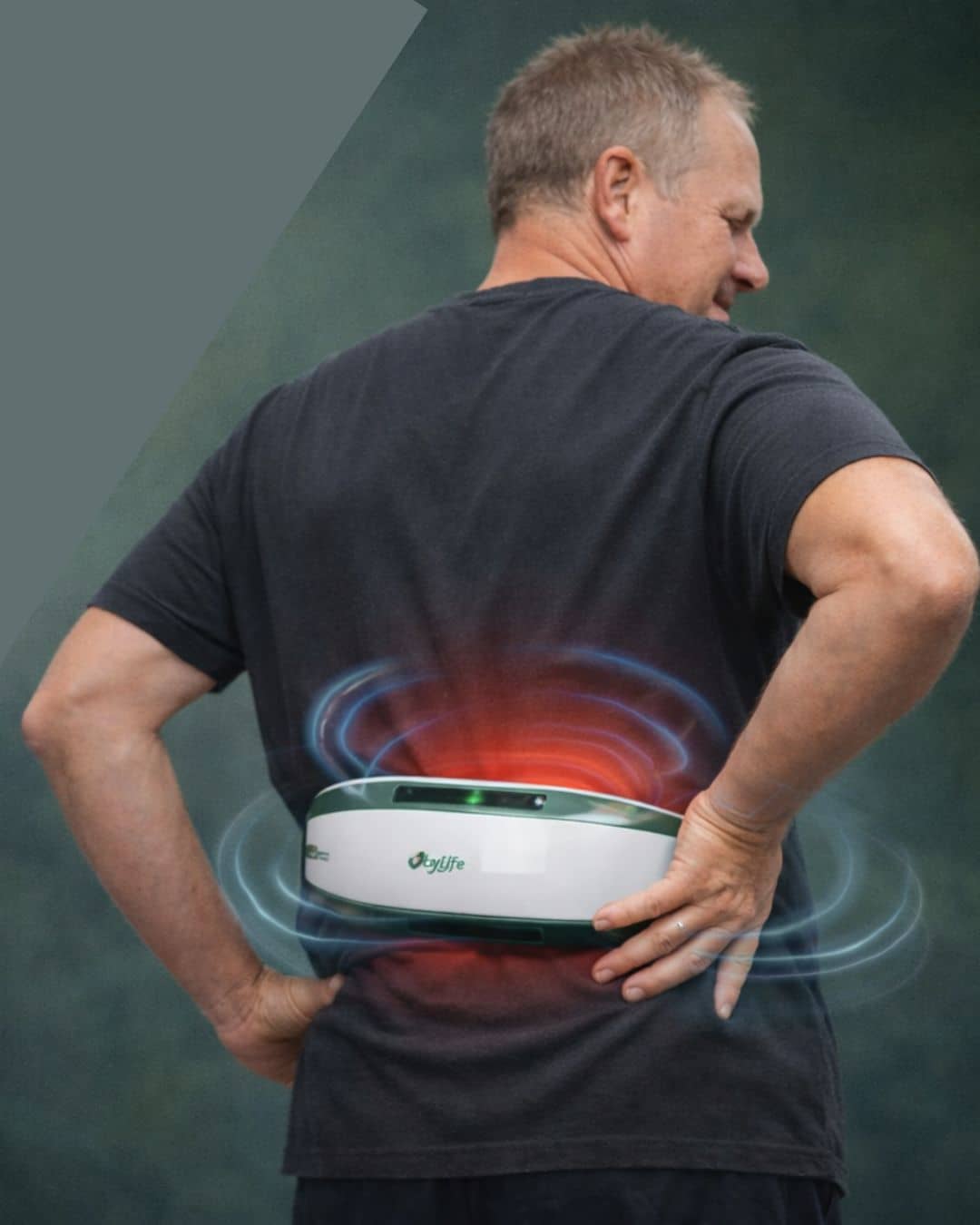
Back pain is one of the most common reasons people look into PEMF therapy. That includes lower back pain, upper back tension, stiffness from sitting too much, muscle spasms, and chronic discomfort related to posture or old injuries.
PEMF therapy may help back pain by supporting circulation, calming inflammation, and helping tight muscles relax. Some users also report that it helps them feel looser and less restricted after sessions, which may make it easier to stretch or move normally.
For chronic back pain sufferers, the value is not always about a dramatic overnight change. Sometimes it is about reducing tension enough to improve daily movement and keep the pain cycle from worsening.
PEMF Therapy for Arthritis Pain
Arthritis pain is often driven by a combination of joint wear, inflammation, stiffness, and reduced mobility. This makes it a natural area of interest for PEMF therapy.
Because PEMF is often associated with circulation support and inflammation regulation, some people use it to manage joint discomfort in the knees, hips, hands, shoulders, and spine. For arthritis sufferers, even a modest reduction in stiffness can make a big difference in quality of life.
PEMF therapy is especially appealing here because it is passive. On days when exercise feels difficult and joints are flaring, lying down with a PEMF mat or using a targeted applicator may feel more realistic than a demanding treatment routine.
PEMF Therapy for Joint Pain
Joint pain can exist with or without arthritis. It may stem from overuse, old injuries, tendon strain, inflammation, or wear and tear from repeated movement.
People dealing with joint pain often want to know whether PEMF therapy can support healing while reducing discomfort. The answer depends on the cause, but the general theory is that PEMF may help create a more favorable healing environment. Better circulation, less inflammation, and improved tissue recovery can all be relevant when the goal is to get a painful joint moving more comfortably again.

PEMF Therapy for Nerve Pain
Nerve pain is one of the hardest forms of pain to manage. It may show up as burning, tingling, shooting pain, numbness, or unusual sensitivity. Conditions like sciatica, neuropathy, and nerve irritation can leave people searching for anything that might help without making them groggy or dependent on medication.
People sometimes explore PEMF therapy for nerve pain because of its proposed effects on circulation and nerve signaling. While results can vary a lot from person to person, this is one of the most interesting areas for those looking into non-drug chronic pain management options.
PEMF Therapy for Fibromyalgia
Fibromyalgia is a complex condition that often involves widespread pain, fatigue, poor sleep, tenderness, and heightened sensitivity. Because the condition is multifactorial, management usually requires more than one strategy.
Some people with fibromyalgia explore PEMF therapy as part of a broader recovery routine. The attraction here is that PEMF is passive, generally gentle, and aimed at supporting the body rather than forcing it. Users hope it may help with pain, recovery, and overall function without overwhelming an already sensitive system.
PEMF Therapy for Muscle Recovery and Inflammation
Not all chronic pain is rooted in joints or nerves. Sometimes long-term pain involves chronically tight muscles, unresolved inflammation, and poor recovery after activity. This can happen in athletes, office workers, manual laborers, and anyone who has built up layers of tension over time.
Manufacturers often promote PEMF therapy for recovery because it may support circulation and tissue repair. People who deal with recurring soreness, lingering inflammation, or painful muscle tightness may use it to help their body recover more efficiently between workouts, shifts, or daily stressors.
PEMF Therapy for Sciatica and Neuropathy
Sciatica and neuropathy deserve their own mention because they are such common search terms. Sciatica often involves pain that radiates from the lower back into the hip and leg. Neuropathy may involve tingling, numbness, burning, or altered sensation, often in the feet or hands.
These conditions can be frustrating because they do not always respond well to simple rest. People sometimes explore PEMF therapy in these cases because they hope it may support circulation and ease the irritation that contributes to nerve-related discomfort. While this area needs careful, realistic expectations, it is highly relevant for people researching chronic pain management technologies.

My Personal Experience With PEMF Therapy
My interest in PEMF therapy started with a personal problem. I’ve dealt with knee pain and ankle pain for years, particularly after periods of physical activity. At times my knees have felt almost arthritic, and every now and then I get sharp pains that make it clear something isn’t quite right.
Like many people dealing with recurring joint issues, I started researching different recovery options. That research eventually led me into the world of PEMF therapy and other frequency-based wellness technologies.

During that process I discovered a foot-based PEMF and terahertz therapy device, which I decided to try as part of my routine. I now use the device regularly as one of several tools aimed at supporting circulation, recovery, and overall wellness.
Everyone’s experience with wellness technologies can be different, and PEMF therapy certainly isn’t a magic fix. In my case, it became one piece of a broader approach to looking after joint health and recovery rather than a standalone solution.
Technologies like PEMF often work best when you combine them with other lifestyle improvements. Relying solely on a device while ignoring the underlying drivers of inflammation or poor metabolic health will likely produce limited results.
📢 Shareable Insight
Drug-free pain relief often starts by improving circulation and reducing inflammation. PEMF therapy aims to support both by helping the body recover at a cellular level.
👉 Click to Tweet
Benefits of PEMF Therapy for Pain Relief
PEMF therapy is not popular simply because it sounds futuristic. It is popular because it checks several boxes that many chronic pain sufferers care about.
Non-Invasive Treatment
There are no needles, incisions, or recovery periods. This makes it easier for many people to try, especially those who are wary of more invasive pain management approaches.
Drug-Free Support
One of the biggest selling points of PEMF therapy is that it may support pain relief without relying on medication. That does not automatically make it more effective than every conventional treatment, but it does make it attractive for people who want to reduce their chemical load.
May Support Circulation and Recovery
Better circulation can play a major role in how quickly tissue recovers and how comfortably the body functions. For pain tied to poor recovery, stiffness, or inflammation, that may be meaningful.
Easy to Combine With Other Therapies
PEMF does not have to stand alone. Many people integrate it into a broader health routine that includes stretching, walking, physical therapy, massage, anti-inflammatory nutrition, hydration, quality sleep, red light therapy, and other recovery strategies.
Convenient for Home Use
Many people are drawn to PEMF because home devices are available. Instead of constantly booking appointments, users can often make the therapy part of their daily or weekly routine.
Conditions and Possible Benefits Table
| Condition | Possible Benefit of PEMF Therapy |
|---|---|
| Back Pain | May support muscle relaxation, circulation, and recovery |
| Arthritis | May help with joint stiffness and inflammatory discomfort |
| Joint Pain | May support tissue recovery and mobility |
| Nerve Pain | May influence pain signaling and circulation |
| Fibromyalgia | May offer gentle support for pain and recovery |
| Sciatica | May help reduce irritation-related discomfort |
| Neuropathy | May support circulation and nerve comfort |
| Muscle Inflammation | May support recovery and reduce soreness |
PEMF Therapy vs Other Frequency Therapies
| Therapy | Primary Use | Technology | Typical Applications |
| PEMF Therapy | Pain, inflammation, recovery | Pulsed electromagnetic fields | Chronic pain, stiffness, injury recovery |
| Red Light Therapy | Tissue support and healing | Specific light wavelengths | Skin support, inflammation, recovery |
| TENS Therapy | Symptom-focused pain relief | Electrical nerve stimulation | Temporary pain relief, nerve pain |
| EMS Therapy | Muscle stimulation | Electrical impulses | Muscle activation and recovery |
| Terahertz Therapy | Wellness and circulation support | Terahertz frequency waves | Circulation, metabolism, general support |
This comparison matters because people often use the terms interchangeably when they are not the same thing.
- PEMF therapy uses pulsed electromagnetic fields to interact with the body in a passive way.
- TENS therapy is usually more about interrupting pain signals through electrical stimulation.
- EMS therapy focuses more on stimulating muscles to contract.
- Red light therapy uses light, not electromagnetic pulses in the same way PEMF does.
- Terahertz therapy is typically positioned around resonance, circulation, and broader wellness support.
For someone focused specifically on chronic pain management, PEMF therapy often stands out because it sits at the intersection of recovery, inflammation support, and overall tissue function.
Scientific Research on PEMF Therapy
This is an area where it helps to look at both the scientific research and the growing real‑world use of the technology.
There has been legitimate scientific interest in PEMF therapy for decades. Researchers have explored how pulsed electromagnetic fields may influence cellular behavior, circulation, inflammation, tissue repair, and pain responses. One of the most widely cited areas of research involves bone healing, where electromagnetic stimulation has been studied for its potential role in supporting fracture repair and recovery. Other studies have examined its possible effects on soft tissue healing, inflammation, and pain reduction.
However, the strength of the evidence varies depending on the condition being studied. Some clinical trials and experimental studies show promising results, while other areas still lack large-scale or long-term research. In many cases, the technology has advanced faster than the pace of formal studies, particularly as consumer wellness devices have become more widely available.
Mounting Evidence via Pain Relief Testimonials
At the same time, the rise of home wellness technology has led to a rapidly growing number of people experimenting with PEMF therapy outside of clinical environments. Alongside this trend, thousands of personal testimonials have emerged from users reporting improvements in areas such as chronic pain, recovery, mobility, inflammation, and general wellbeing.
Personal experiences are not the same as controlled clinical trials, but the volume of anecdotal reports has contributed to the increasing interest in PEMF therapy as a recovery and pain‑management tool. For many people exploring drug‑free approaches to chronic pain management, these real‑world experiences are part of what motivates them to try the technology.
The most reasonable takeaway is that PEMF therapy sits in a space where scientific research, emerging wellness technology, and user experience are all evolving together. The research base continues to grow, and while not every application has been fully studied yet, the combination of existing studies and widespread user interest has made PEMF therapy one of the most discussed technologies in the broader field of frequency‑based recovery tools.
Is PEMF Therapy Safe?
Experts generally consider PEMF therapy non-invasive and well tolerated, but that does not mean every device suits every person or situation. Furter details on PEMF Safety HERE
Many users report PEMF sessions as relaxing and easy to tolerate. Some feel nothing during the session. Others notice subtle sensations such as warmth, pulsing, or deep relaxation. In some cases, people may feel temporary tiredness or mild discomfort as their body adjusts.

Certain individuals should be more cautious, especially those with implanted electronic devices such as pacemakers, as electromagnetic therapies may not be appropriate in those situations. Pregnant women and people with complex medical conditions should also seek qualified guidance before use.
The safest way to think about PEMF is this: it can be a useful wellness tool for many people, but you should use it responsibly, with realistic expectations, and with caution if you have medical devices or specific health concerns.
What to Look for in a PEMF Device
If someone decides to explore Frequency Therapy and more specifically PEMF therapy for chronic pain management, the next logical question is what kind of device to choose.
Frequency Options
Different devices offer different frequencies and programs. Some PEMF devices promote general wellness, while others aim to support recovery, relieve pain, or target specific areas of the body.
Intensity Levels
PEMF devices can vary in strength. Some are very gentle and intended for regular home use. Others are more clinical in feel. Higher intensity is not always better. The best device depends on the person, the target area, and how they respond.
Targeted vs Full-Body Use
Some people prefer a full-body PEMF mat because it feels easy and convenient. Others want targeted applicators for the lower back, knees, shoulders, or feet. The right choice often depends on whether the pain is widespread or localized.
Ease of Use
A device may have great specs on paper, but if it feels complicated or frustrating to use, people often stop using it. Practicality matters.
Consistency
One overlooked factor is consistency. A decent device used regularly may be more useful than a powerful device that sits in a corner because it is too inconvenient.
Does PEMF Therapy Work for Chronic Pain Management?
Now we come back to the main question.
PEMF therapy may help with chronic pain management for some people, but it is not a guaranteed fix.
That is the clearest and most honest answer.
If chronic pain stems from inflammation, poor recovery, stiffness, muscle tension, or lingering tissue stress, PEMF can provide meaningful support. If the issue is more complex, deeply neurological, structural, or tied to multiple health problems, the results may be more limited.
The biggest mistake is expecting PEMF therapy to do everything by itself. The better approach is to think of it as a support tool that may enhance a broader routine focused on movement, sleep, recovery, circulation, nutrition, and overall health.
For some users, the benefit may be subtle but valuable. For others, it may become one of their favorite tools. And for some, it may not make a noticeable difference. That range of outcomes is normal in the world of chronic pain management.
A Note on Metabolic Health and Chronic Pain
Another factor that is often overlooked in chronic pain management is metabolic health. Inflammation, poor blood sugar regulation, excess body fat, poor sleep, and nutrient deficiencies can all contribute to ongoing pain and slower recovery. For many people, improving metabolic health can reduce systemic inflammation and support the body’s ability to repair itself.
From my own experience, addressing metabolic health made a noticeable difference in how my body handled recovery, inflammation, and long‑term discomfort. That is one of the reasons I created the 51‑Day Metabolic Health Challenge. The program is built around practical daily habits designed to support fat loss, metabolic balance, and natural healing processes.
If you are exploring drug‑free ways to support chronic pain management, improving your metabolic health may be just as important as the recovery technologies you use. You can learn more about the challenge and how it works here: 51‑Day Metabolic Health Challenge.
Want Help Choosing a PEMF Device?
If you’d like to know which PEMF device I personally selected for my chronic knee pain, or if you want help figuring out what might make sense for your circumstances, you’re welcome to reach out.
👉 Book a 1 on 1 Call with Me.
OR
If you need to answer a quick question or
are ready NOW… Message Me Direct
(Just make sure “Mention This Post”)
I’ll point you in the right direction.
My goal is simply to help people navigate the different technologies available and decide whether PEMF therapy might be a useful tool for their own recovery and pain‑management routine.


Frequently Asked Questions
Is PEMF therapy scientifically proven?
PEMF therapy has been studied in several areas, including healing and pain support, but the strength of the evidence varies depending on the condition. Some applications have stronger support than others. PEMF shows promising potential, but it is not a universally proven solution for every pain condition.
How long does PEMF therapy take to work?
Results vary based on the person, the device, the severity of the problem, and how consistently someone uses it. Some people report feeling differences quickly, while others use it for weeks before judging whether it is helping. Chronic pain usually develops over time, so improvement is not always immediate. Consistant use has allowed me to avoid knee replacement discussions, at least for now.
Is PEMF therapy safe for daily use?
Many PEMF devices support regular home use, but safe use still depends on the individual and the device instructions. People with pacemakers, implanted electronics, pregnancy, or significant medical concerns should be especially cautious.
Is there a guide to selecting a PEMF device?
If you’re curious about PEMF therapy but unsure where to start, the next logical question is usually which device to choose. There are many PEMF systems on the market, and the right option often depends on your specific situation — the type of pain you’re dealing with, how often you plan to use the device, and whether you want a targeted applicator or a full-body system.
If you’d like a deeper breakdown of the options available, I’ve also put together a guide covering multiple PEMF systems to help you compare features and decide which type of device may suit your needs best.
Can PEMF therapy reduce inflammation?
That is one of the main reasons people use it. PEMF may help influence inflammation and support recovery, although results vary depending on the condition and the individual.
Are there side effects of PEMF therapy?
PEMF is non-invasive, and many people tolerate it well. Some users report temporary fatigue, light discomfort, or a brief adjustment period. As with any wellness tool, individual responses can vary.
Is PEMF better than TENS for chronic pain?
They are different tools. TENS typically targets short-term symptom relief by influencing nerve signals, while PEMF serves as a broader recovery and wellness tool that may support circulation, inflammation, and tissue function. Which one feels better can depend on the type of pain and the individual user.
Can PEMF therapy help arthritis and joint pain?
It may help some people with stiffness, soreness, and inflammatory discomfort associated with arthritis or joint issues. Results vary, but this is one of the most common reasons people try PEMF therapy.
Can PEMF therapy be used with other therapies?
Yes, many people use PEMF alongside stretching, physical therapy, walking, massage, red light therapy, and other recovery practices. PEMF usually works best as part of a broader wellness routine rather than as a standalone solution.
Were can I try one for myself?
As a matter of fact i have a wellness center offering that exact sevice in the Philippines.
See HERE also listed on Expat Scouts
Final Thoughts
PEMF therapy for chronic pain management sits in the space between hope and caution. Many people explore it because chronic pain is exhausting, and the idea of a non-invasive, drug-free therapy that may support healing, circulation, and inflammation control feels appealing.
The most sensible perspective avoids both blind hype and cynical dismissal. PEMF therapy has enough biological logic and growing interest to deserve serious attention, especially for people searching for additional ways to support recovery and manage pain. At the same time, people should approach it with realistic expectations and integrate it into a broader lifestyle and wellness plan whenever possible.
If you want to explore natural approaches to chronic pain management, PEMF therapy may offer a worthwhile option, particularly if your goal involves reducing reliance on medications and supporting your body in a more holistic way.
When evaluating recovery technologies, it also helps to compare how PEMF works alongside other modalities like red light therapy, TENS, EMS, and terahertz-based tools, because the best results often come from understanding what each therapy is designed to do.


PEMF has been on of the best ways I’ve been able to manage my chronic pain holistically. Thank God for this technology.
Appreciate the Testimonial, how long have you been using PEMF Therapy?