
14 Best PEMF Devices – 2026: Top Units Compared for Home Use
If you’ve been researching frequency-based wellness tools, you’ve probably noticed one thing: there are a lot of options claiming to be the best PEMF devices on the market — and the price range is massive.
Some systems cost a few hundred dollars. Others cost more than a small car.
So how do you know which PEMF device is actually worth it?
In this in-depth 2026 guide, we’ll break down:
- What PEMF therapy is (and how it works)
- How we evaluated the best PEMF devices
- Honest pros and cons of the top home-use machines
- A detailed PEMF device comparison table
- How PEMF compares to other frequency therapies
- And finally — the device I personally chose and why
This guide is designed to stay neutral, educational, and comparison-driven — so you can make an informed decision based on your goals.
What Is a PEMF Device?
PEMF stands for Pulsed Electromagnetic Field therapy.
A PEMF device is a tool designed to deliver PEMF therapy through low-frequency electromagnetic pulses that interact with the body’s cells. These pulses are typically delivered in measured frequencies (often between 1–30 Hz in home-use systems) and are intended to support the body’s natural electrical activity.
The theory behind PEMF therapy is that electromagnetic pulses may help support:
- Circulation
- Cellular energy production (ATP)
- Muscle recovery
- Inflammation response
- General wellness and recovery
Unlike TENS or EMS devices that stimulate nerves and muscles directly, PEMF therapy works more subtly — influencing cellular electrical activity rather than causing visible muscle contraction.
If you’d like a deeper scientific breakdown of how PEMF therapy works, including mechanisms, waveform types, and research insights, see our complete PEMF Therapy guide.
Most home PEMF devices fall into two categories:
- Local applicators (pads, coils, or targeted devices)
- Full-body mats
Each has different advantages depending on your goals, lifestyle, and budget.
Do Some PEMF Devices Include Other Technologies?
Yes. Many modern wellness systems now combine PEMF therapy with additional therapeutic modalities. These hybrid systems aim to provide broader support by layering multiple forms of stimulation into one device.
Common technologies paired with PEMF include:
- Infrared heat therapy – Uses thermal energy to support circulation and relaxation.
- Red light therapy (photobiomodulation) – Uses specific light wavelengths to support cellular energy production.
- Radio frequency (RF) therapy – Delivers higher-frequency electromagnetic energy, typically associated with tissue warming and circulation support.
- EMS (Electrical Muscle Stimulation) – Produces muscle contractions using electrical impulses.
- TENS (Transcutaneous Electrical Nerve Stimulation) – Targets nerves for temporary pain relief through low-voltage electrical stimulation.
- Negative ion layers or gemstone layers – Often included in mat-based systems as complementary wellness features.
- Terahertz therapy – Uses extremely high-frequency electromagnetic waves (in the trillion-hertz range), which differ significantly from low-frequency PEMF pulses.
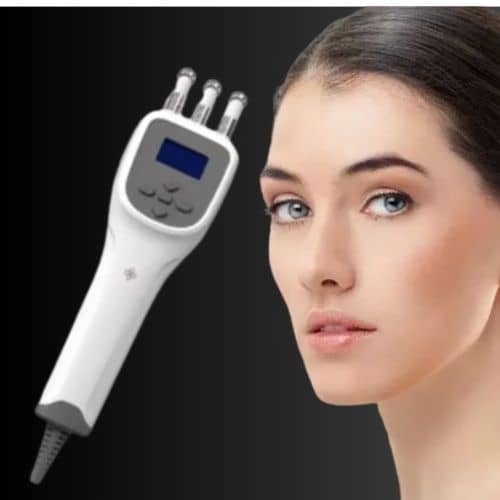
It’s important to understand that these technologies operate in very different frequency ranges and affect the body in different ways. For example, EMS and TENS therapy directly stimulate muscles or nerves, while PEMF therapy works at the cellular electrical level without causing visible contraction.
Hybrid systems can be appealing because they combine multiple modalities into one unit. However, more technologies do not automatically mean better results. The effectiveness depends on how each modality is engineered and whether it aligns with your specific goals.
If you want a deeper comparison of how these modalities differ — including PEMF therapy and terahertz therapy — see our dedicated pillar guides our Frequency Therapy Section
How We Evaluated the Best PEMF Devices in 2026
Before breaking down the 14 best PEMF devices, it’s important to explain how they were evaluated. This ensures neutrality and consistency across all price tiers.
Each device will be assessed using the following criteria:
- Frequency range (Hz)
- Maximum magnetic field strength (Gauss output)
- Waveform type (if disclosed)
- Full-body vs localized application
- Portability and form factor
- Customization options
- Additional technologies (RF, Infrared, EMS, TENS, Terahertz, etc.)
- Intended user (beginner, recovery-focused, advanced, clinical)
- Price-to-value ratio
As we expand each unit below, we’ll apply this same structure to maintain consistency.
📢 Shareable Insight
The “best” PEMF device isn’t universal — it depends entirely on how you plan to use it day to day.
👉 Click to Tweet
14 Best PEMF Devices – Organized by Price Tier
To make comparison easier, the 14 devices are grouped into three pricing categories:
- Premium / Clinical-Grade Systems ($2,500+)
- Mid-Range Home Systems ($1,000–$2,500)
- Entry-Level / Budget Systems ($300–$1,000)
We’ll expand each device individually with full technical specs and structured analysis as we progress.
Premium / Clinical-Grade PEMF Systems ($3,000–$10,000+)
This category includes high-end programmable PEMF platforms, full-body mat systems, and professional coil-based units. These systems generally offer greater customization, higher output potential, and expanded applicator options compared to mid-range home devices.
1. BEMER Pro-Set
Best for: Full-body microcirculation protocol with advanced applicators
Type: Full-body mat system with multiple applicators (premium suite)
Price Tier: $3,000-$10,000+ (Premium)
Overview
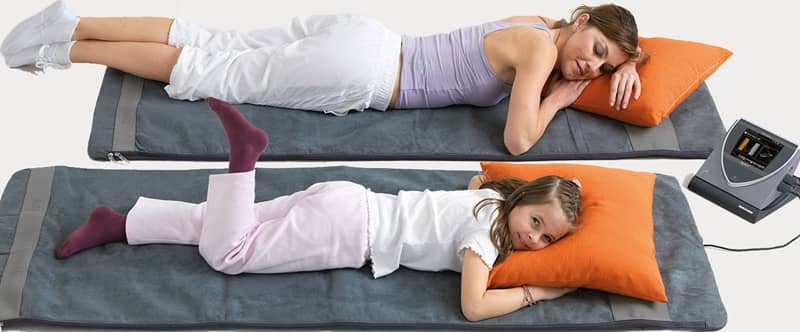
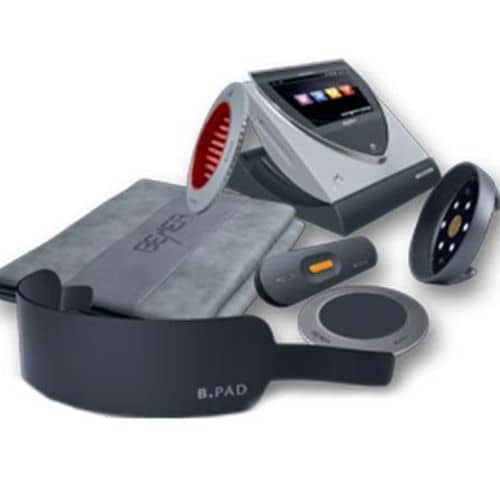
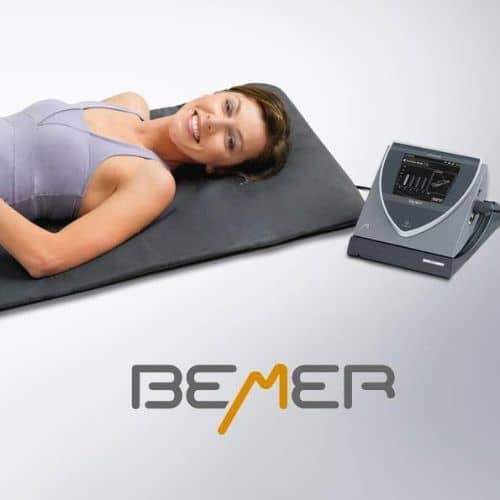
The BEMER Pro-Set is the flagship PEMF system from one of the oldest and most established brands in the pulsed electromagnetic field category. Unlike entry-level mats or portable systems, the Pro-Set combines a full-body PEMF mat with multiple applicators, advanced control units, and structured session programs designed around supporting microcirculation, tissue oxygenation, and recovery.
With a price point around $6,490, this system targets serious home users, performance athletes, and wellness professionals who prioritize clinical-grade PEMF experiences.
Key Specifications
- Frequency Range: Proprietary PEMF waveform (engineered by BEMER; not publicly disclosed in exact Hz)
- Maximum Magnetic Field Strength (Gauss): Moderate clinical output (mat and applicators vary in field strength)
- Waveform Type: Patented PEMF bio-rhythmic signal designed for microcirculation support
- Coverage: Full-body mat + additional localized applicators (spot applicators, pads)
- Portability & Form Factor: Medium; the system comes with controllers and cables — not portable like handheld or compact devices
- Customization Options: Multiple intensity levels and applicator combinations
- Additional Technologies: Focused on proprietary PEMF; optional red-light accessories available in some packages
- Intended User: Dedicated home users, clinics, performance recovery enthusiasts
Strengths
- One of the most comprehensive PEMF kits available
- Full-body + localized applicator flexibility
- Backed by brand history and proprietary signal engineering
- Structured programs that some users find easy to follow
Limitations
- High price point may be prohibitive for casual users
- Technical specifics (exact frequencies, waveforms) are not fully transparent
- Setup and hardware complexity is greater than portable systems
Ideal User
Someone who:
- Wants a premium, all-inclusive home PEMF system
- Does not mind long-term investment for a clinical-grade experience
- Values structured session programs and multiple applicator options
Official specifications and detailed product information can be viewed on the BEMER website.

2. iMRS Prime Basic / Trial System
Best for: Customizable full-body PEMF sessions with programmable frequency control
Type: Full-body mat system with coil and applicator expansion
Price Tier: $3,000-$10,000+ (Premium)
Overview
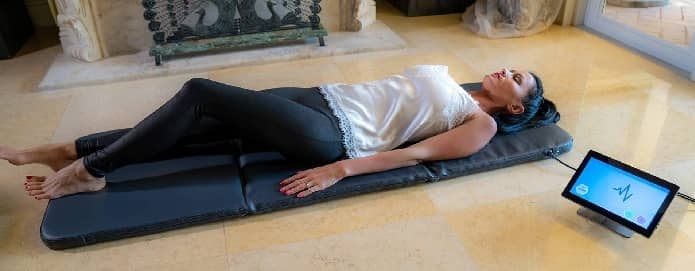
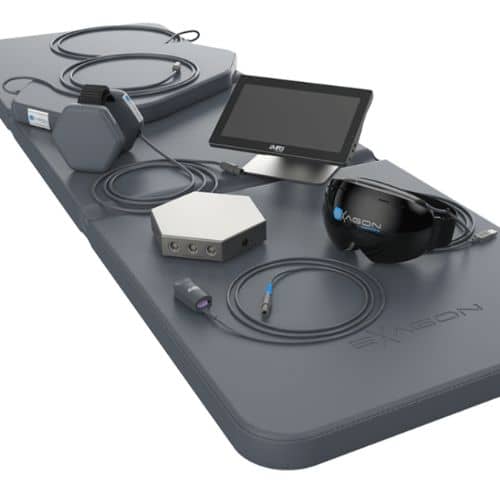
The iMRS Prime system is positioned as a high-end, fully programmable PEMF platform designed for users who want greater control over frequency settings and session parameters. Unlike systems that rely solely on proprietary fixed signals, the iMRS Prime emphasizes adjustable frequency ranges and modular expansion options.
The iMRS Prime Basic system is typically priced around USD $5,384 + GST & Shipping, while higher-tier configurations such as the iMRS Prime Trial system can reach approximately USD $12,447 + GST & Shipping, depending on included accessories and expansion modules.
This places the iMRS Prime firmly within the premium PEMF category, targeting serious home users and wellness-focused environments.
Key Specifications
- Frequency Range: Adjustable low-frequency ranges (commonly 1–30 Hz in standard programs; expanded capabilities depending on configuration)
- Maximum Magnetic Field Strength (Gauss): Moderate to moderately high output depending on mat or applicator used
- Waveform Type: Programmable pulsed electromagnetic waveform (non-proprietary fixed signal model)
- Coverage: Full-body mat with optional localized applicators and coil systems
- Portability & Form Factor: Mat + controller unit; moderate portability; designed for dedicated home setup
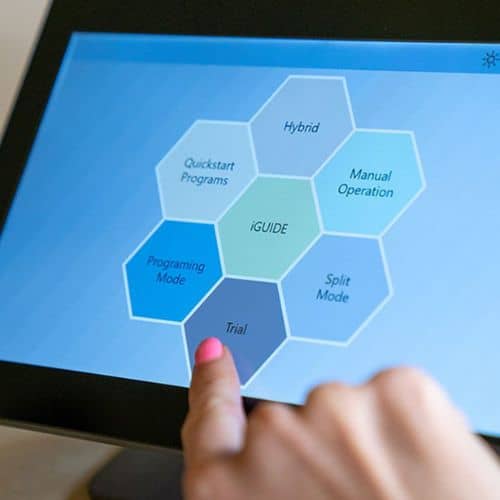
- Customization Options: High — adjustable frequency settings, intensity levels, and modular expansion options
- Additional Technologies: Primarily PEMF-focused; some configurations allow additional accessory integration
- Intended User: Advanced home users, performance-oriented individuals, and those who prefer customizable frequency control
Strengths
- Adjustable frequency ranges provide greater user control
- Modular design allows system expansion over time
- Full-body coverage with localized treatment flexibility
- Positioned as a high-end, programmable PEMF platform
Limitations
- Premium pricing compared to mid-range systems
- Requires understanding of frequency settings for optimal use
- Larger footprint than compact or portable devices
Ideal User
Someone who:
- Wants greater control over PEMF frequency settings rather than a fixed proprietary signal
- Is comfortable navigating programmable session options
- Is investing in a premium full-body PEMF system for long-term home use or semi-clinical application
For full technical specifications and configuration options, refer to the iMRS official website.
3. Pulse Centers PEMF System
Best for: High-intensity, coil-based localized sessions
Type: Professional-style coil PEMF system
Price Tier: $3,000-$10,000+ (Premium / Professional)

Overview
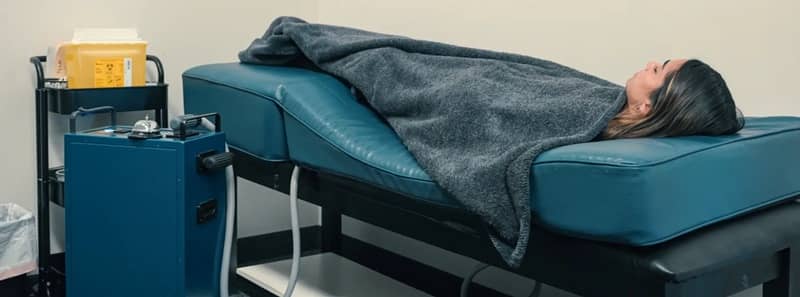
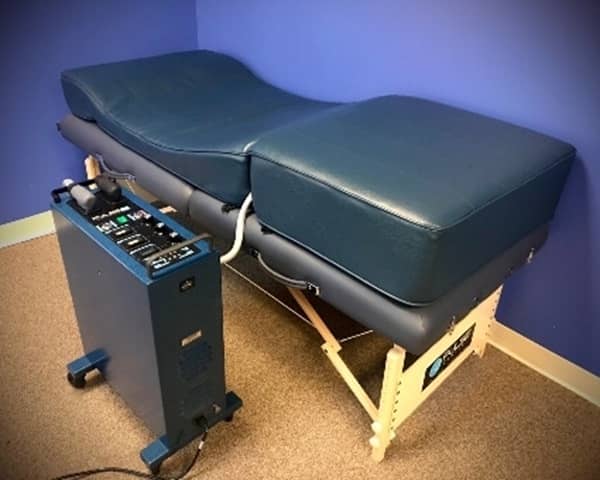
The Pulse Centers PEMF System is a coil-based pulsed electromagnetic field platform designed for higher-intensity, localized application. Unlike full-body mat systems that provide broad surface exposure, Pulse Centers focuses on concentrated electromagnetic field delivery using circular coil applicators positioned directly over specific areas of the body.
The system is marketed toward practitioners, performance-focused users, and serious home users who want adjustable intensity and targeted session control. It emphasizes stronger localized output and professional-style configuration compared to entry-level portable units.
Pricing typically starts at approximately USD $3,000 and can range upward of $6,000, depending on the base unit configuration, coil size, and included accessories.
Key Specifications
- Frequency Range: Adjustable low-frequency PEMF settings (model dependent)
- Maximum Magnetic Field Strength (Gauss): Higher localized intensity relative to consumer-grade portable units
- Waveform Type: Pulsed electromagnetic waveform
- Coverage: Localized (coil-based application)
- Portability & Form Factor: Portable base unit with detachable coil applicator
- Customization Options: Adjustable intensity and frequency controls
- Additional Technologies: PEMF-focused (no integrated infrared or multi-modality layers)
- Intended User: Practitioners and experienced users seeking higher-output localized PEMF
Strengths
- Higher localized magnetic intensity
- Adjustable frequency and intensity
- Professional-style coil system
- Portable relative to larger clinical platforms
- Targeted application flexibility
Limitations
- No full-body mat coverage
- Requires manual coil positioning
- Premium price point
- No integrated heat or multi-technology layering
Ideal User
Someone who prefers targeted, higher-intensity coil-based PEMF sessions, values adjustable output, and is comfortable using a practitioner-style system rather than a passive full-body mat.
For full specifications and configuration details, see the Pulse Centers product information page.
4. Magnawave Mini
Best for: High-output localized PEMF sessions with professional-grade coil applicators
Type: Coil-based localized PEMF system
Price Tier: $3,000-$10,000+ (Premium / Professional)

Overview
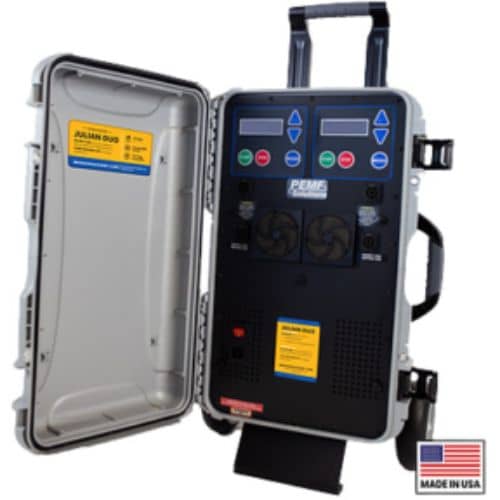
The Magnawave Mini is part of the broader company “MagnaWave” a pemf manufacturer ecosystem, a brand widely recognized in professional PEMF settings. While MagnaWave systems are frequently associated with equine and large-animal applications, many of their coil-based machines are also used for human sessions in professional and home environments.
Unlike full-body mat platforms such as BEMER or iMRS, the Magnawave Mini focuses on targeted, localized PEMF delivery through handheld coil applicators. This makes it structurally different from mat-based systems and positions it as a high-intensity, focused alternative within the premium tier.
Pricing for MagnaWave systems varies significantly depending on configuration and accessories. Professional-grade units within the MagnaWave lineup often range from several thousand dollars upward, with some configurations exceeding $8,000 USD. Final pricing typically depends on coil attachments, software, and distributor agreements.
Key Specifications
- Frequency Range: Adjustable low-frequency PEMF ranges (varies by configuration and software)
- Maximum Magnetic Field Strength (Gauss): Moderate to high localized output depending on coil selection
- Waveform Type: Pulsed electromagnetic waveform designed for focused tissue application
- Coverage: Localized coil-based treatment (not full-body immersion)
- Portability & Form Factor: Compact base unit with handheld applicators; more portable than full-body mat systems
- Customization Options: Adjustable intensity levels and applicator variations
- Additional Technologies: Primarily PEMF-focused; coil sizes determine depth and area of application
- Intended User: Professional practitioners, performance-focused individuals, and users seeking targeted PEMF sessions
Strengths
- Delivers focused, localized PEMF rather than broad full-body exposure
- Higher-intensity output in smaller treatment areas
- More portable footprint than large mat systems
- Recognized brand within both human and equine professional circles
Limitations
- Not a full-body immersion system
- Often associated with professional or practitioner environments
- Pricing and configuration details typically require distributor contact

Ideal User
Someone who:
- Prefers targeted, localized PEMF sessions over full-body mat therapy
- Is comfortable working with coil-based applicators
- May be interested in a system used in both human and equine professional settings
- Values higher-output localized sessions rather than passive mat-based exposure
Official product information and system configurations can be viewed on the MagnaWave website.
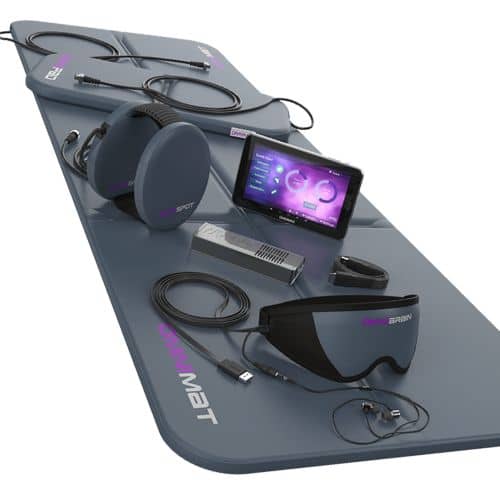
5. Omnium1 PEMF System
Best for: High-intensity, fully programmable PEMF sessions with modular expansion
Type: Full-body mat system with coil and pad applicators
Price Tier: $3,000-$10,000+ (Premium / Professional)
Overview
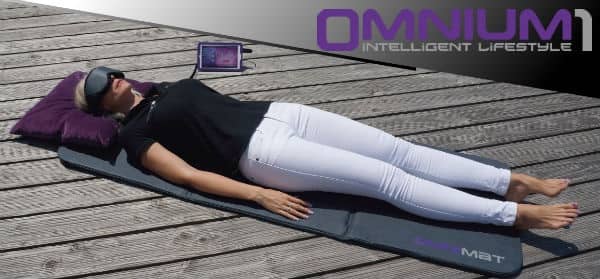
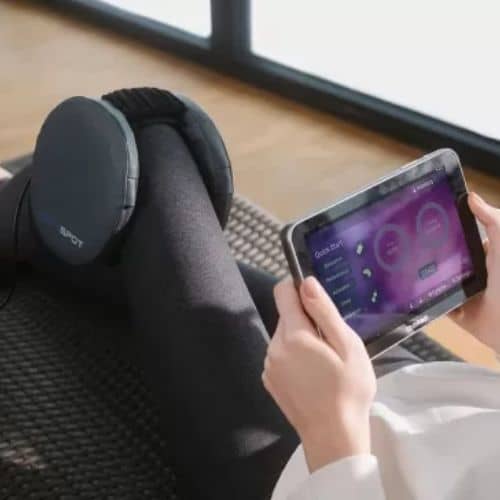
The Omnium1 PEMF System is positioned as a high-performance, programmable pulsed electromagnetic field platform designed for advanced users and professional environments. Unlike entry-level mats or simplified home systems, Omnium1 emphasizes adjustable frequency settings, higher output capabilities, and modular expansion options.
While pricing varies depending on configuration, applicators, and distributor agreements, Omnium1 systems are typically positioned in the upper premium tier. Current configurations generally range from USD $3,596 to over USD $5,900, depending on included components and expansion options.
This places Omnium1 alongside other premium full-body platforms, targeting serious home users, performance-focused individuals, and practitioners seeking greater control over session parameters.
Key Specifications
- Frequency Range: Adjustable low-frequency PEMF ranges (varies by configuration; typically within therapeutic Hz bands used in PEMF applications)
- Maximum Magnetic Field Strength (Gauss): Moderate to high output depending on mat or coil selection
- Waveform Type: Programmable pulsed electromagnetic waveform
- Coverage: Full-body mat with optional localized applicators and coils
- Portability & Form Factor: Mat-based system with external control unit; moderate portability; intended for dedicated setup
- Customization Options: High — adjustable frequencies, intensity levels, session duration, and applicator combinations
- Additional Technologies: Primarily PEMF-focused (some configurations allow accessory expansion)
- Intended User: Advanced home users, practitioners, and individuals seeking high-output, customizable PEMF sessions
Strengths
- Greater programmability compared to fixed-signal systems
- Modular design allows expansion with additional applicators
- Suitable for both full-body and targeted sessions
- Positioned within the professional-grade PEMF category
Limitations
- Premium pricing relative to mid-range home systems
- Requires user familiarity with frequency and intensity settings
- Larger setup footprint compared to compact portable devices
Ideal User
Someone who:
- Wants high-level control over frequency and intensity parameters
- Is comfortable navigating programmable session settings
- Prefers a full-body system with the option for localized treatment
- Is investing in a premium, expandable PEMF platform for long-term use
Official product information and configuration details can be viewed on the Omnium1 website.
🏆 PREMIUM TIER COMPARISON TABLE (5 Devices)
|
Device |
Coverage |
Frequency Control |
Intensity |
Additional Tech |
Portability |
Price Range |
|---|---|---|---|---|---|---|
|
BEMER Pro-Set |
Full-body mat |
Preset programs |
Moderate full-body |
PEMF-focused |
Large mat system |
$6,000–$7,000+ |
|
iMRS Prime |
Full-body mat |
Adjustable + presets |
Moderate full-body |
Optional biofeedback accessories |
Large mat system |
$5,000–$12,000 |
|
Pulse Centers |
Localized coil / Bed options |
Adjustable |
High localized |
PEMF-focused |
Portable base + coils |
$3,000–$6,000+ |
|
MagnaWave Mini |
Localized coil |
Adjustable |
High localized |
PEMF-focused |
Portable coil system |
$3,000–$5,000+ |
|
Omnium1 |
Full-body mat |
Preset programs |
Moderate full-body |
Light / accessory integrations |
Mat system |
$3,500–$6,000 |

Mid-Range Home PEMF Systems ($1,000–$2,500)
This category balances performance, portability, and price. These systems are typically designed for consistent home use without the complexity or cost of full clinical platforms.
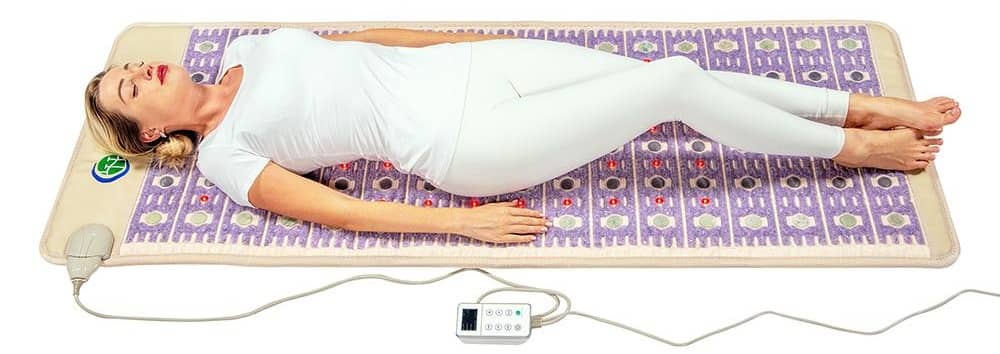
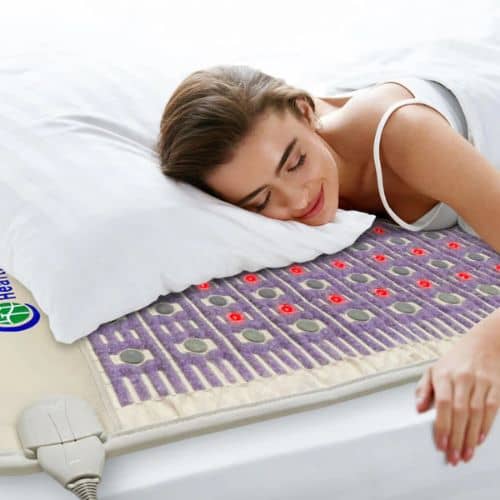
6. HealthyLine TAJ Series
Best for: Affordable full-body PEMF mat with multi-modality features
Type: Full-body PEMF mat system
Price Tier: $1,000–$2,500 (Mid-Range)
Overview
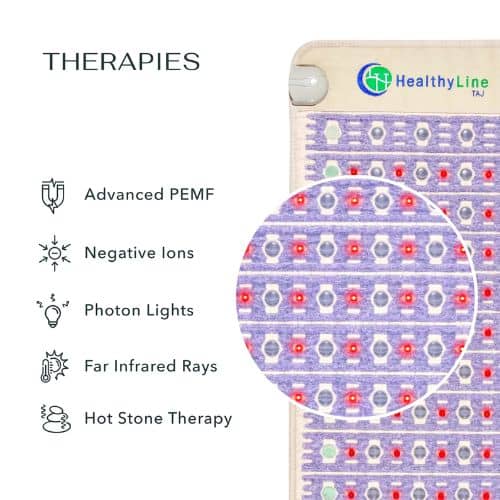
The HealthyLine TAJ Series is one of the more widely recognized full-body PEMF mat systems in the mid-range market. Unlike high-ticket programmable platforms, the TAJ line focuses on accessible full-body exposure combined with additional wellness-oriented features such as infrared heat and gemstone layers.
Depending on size and configuration, HealthyLine TAJ mats generally range from approximately USD $800 to $1,500, with larger or split configurations sometimes reaching higher. This pricing places the TAJ Series firmly within the mid-range home-use category.
The system is designed for users who want full-body mat sessions without stepping into the multi-thousand-dollar professional tier.
Key Specifications
- Frequency Range: Typically 1–25 Hz (varies slightly by model)
- Maximum Magnetic Field Strength (Gauss): Moderate full-body mat output
- Waveform Type: Proprietary pulsed electromagnetic waveform
- Coverage: Full-body mat
- Portability & Form Factor: Large mat format; low portability; intended for fixed home setup
- Customization Options: Adjustable intensity levels and session duration (model dependent)
- Additional Technologies: Infrared heat, negative ion layer, gemstone layers (varies by configuration)
- Intended User: Home users seeking full-body PEMF sessions with integrated heat features
Strengths
- Full-body coverage at a more accessible price point
- Multi-modality design (PEMF + infrared + complementary layers)
- Comfortable mat format suitable for extended sessions
- Simpler setup compared to programmable clinical systems
Limitations
- Requires dedicated floor or bed space
- Less portable than compact localized devices
- Lower programmability compared to premium-tier systems
Ideal User
Someone who:
- Wants a full-body PEMF mat for home use
- Prefers integrated heat and wellness-style sessions
- Is not seeking high-level programmability
- Wants a mid-range entry point into full-body PEMF therapy
Official product specifications and configuration details can be viewed on the HealthyLine website.
7. EarthPulse V5
Best for: Sleep-focused low-frequency PEMF sessions
Type: Bed-based low-intensity PEMF system
Price Tier: $1,000–$2,500 (Mid-Range)

Overview
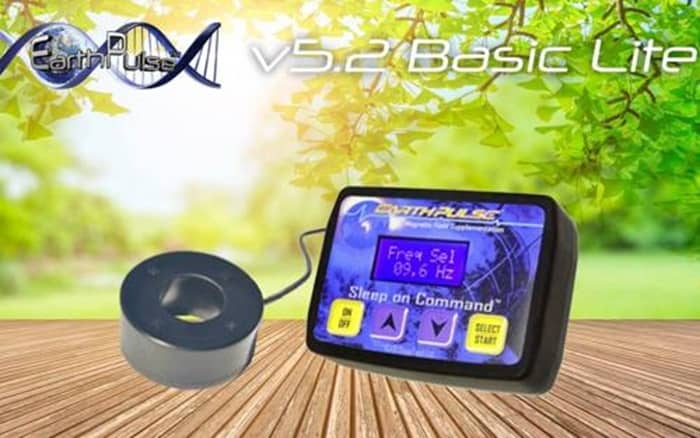
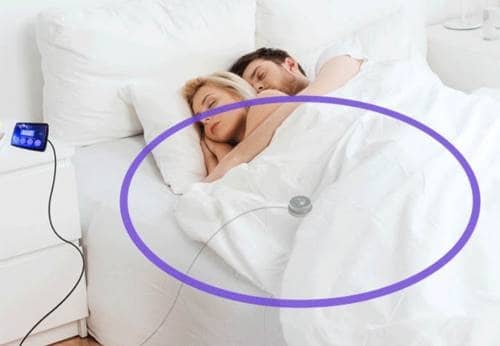
The EarthPulse V5 pemf device is designed primarily as a sleep-oriented PEMF system rather than a traditional full-body mat or high-output professional platform. Unlike systems that are used for active sessions during the day, EarthPulse is typically placed under a mattress and operates at low-intensity frequencies intended for overnight use.
Depending on configuration and accessories, EarthPulse V5 systems generally range from approximately USD $1,299 to $1,999, placing them firmly within the mid-range home-use category.
Its positioning is distinct from both premium programmable systems and multi-modality infrared mats — focusing instead on low-level, long-duration exposure.
Key Specifications
- Frequency Range: Adjustable low-frequency ranges (typically 0.5–14 Hz depending on program)
- Maximum Magnetic Field Strength (Gauss): Low-intensity output designed for extended exposure
- Waveform Type: Pulsed electromagnetic waveform optimized for low-level application
- Coverage: Mattress-based full-body exposure (coil pad positioned under mattress)
- Portability & Form Factor: Compact controller with under-mattress coil pad; highly space-efficient
- Customization Options: Adjustable frequency presets and intensity levels
- Additional Technologies: Primarily PEMF-focused (no integrated infrared or red light components)
- Intended User: Individuals interested in low-intensity, sleep-integrated PEMF use
Strengths
- Designed specifically for overnight use
- Minimal space requirement compared to full-body mats
- Lower intensity may appeal to users seeking subtle exposure
- Straightforward setup under mattress
Limitations
- Not a traditional surface mat — no direct contact format
- Lower output compared to premium programmable systems
- Limited multi-modality features compared to infrared mat platforms
Ideal User
Someone who:
- Prefers passive overnight PEMF exposure
- Does not want a visible mat in their living space
- Is seeking a lower-intensity, sleep-integrated system
- Wants a mid-range entry point without premium-tier complexity
Official product specifications and configuration details can be viewed on the EarthPulse website.
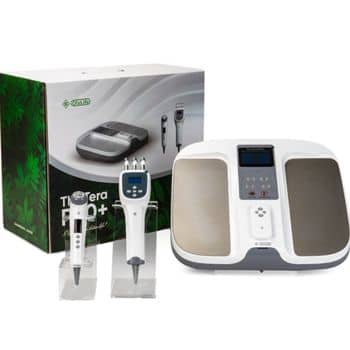
8. OlyLife Tera P90 Plus
Best for: Portable, multi-modality targeted PEMF sessions with expandable attachments
Type: Localized PEMF device with modular attachments
Price Tier: $1,000–$2,500 (Mid-Range)
Overview
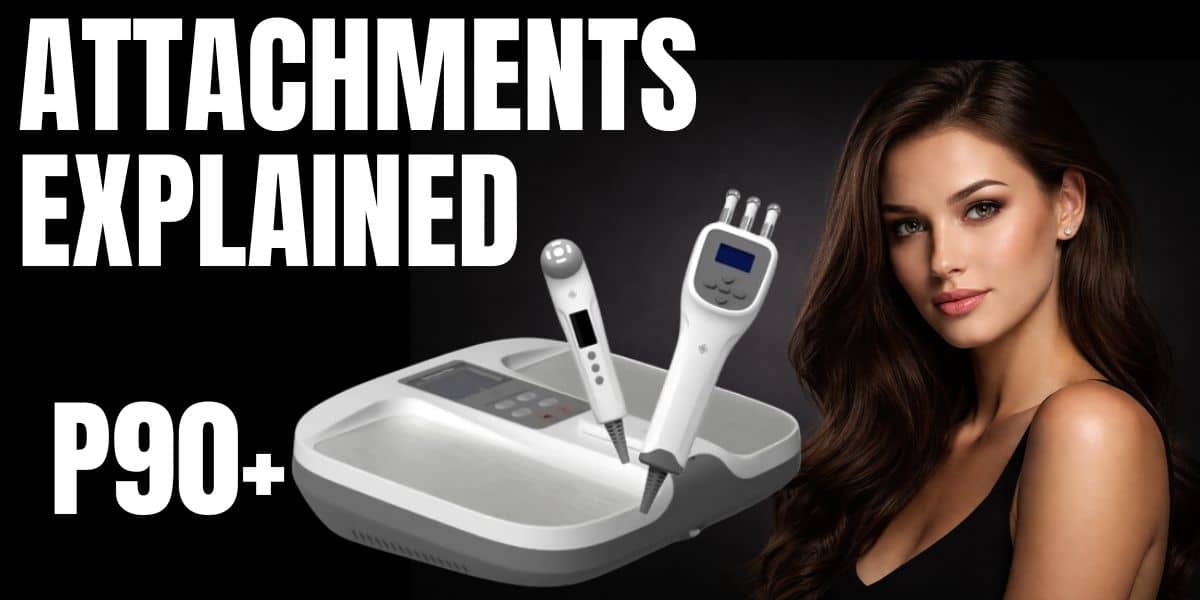
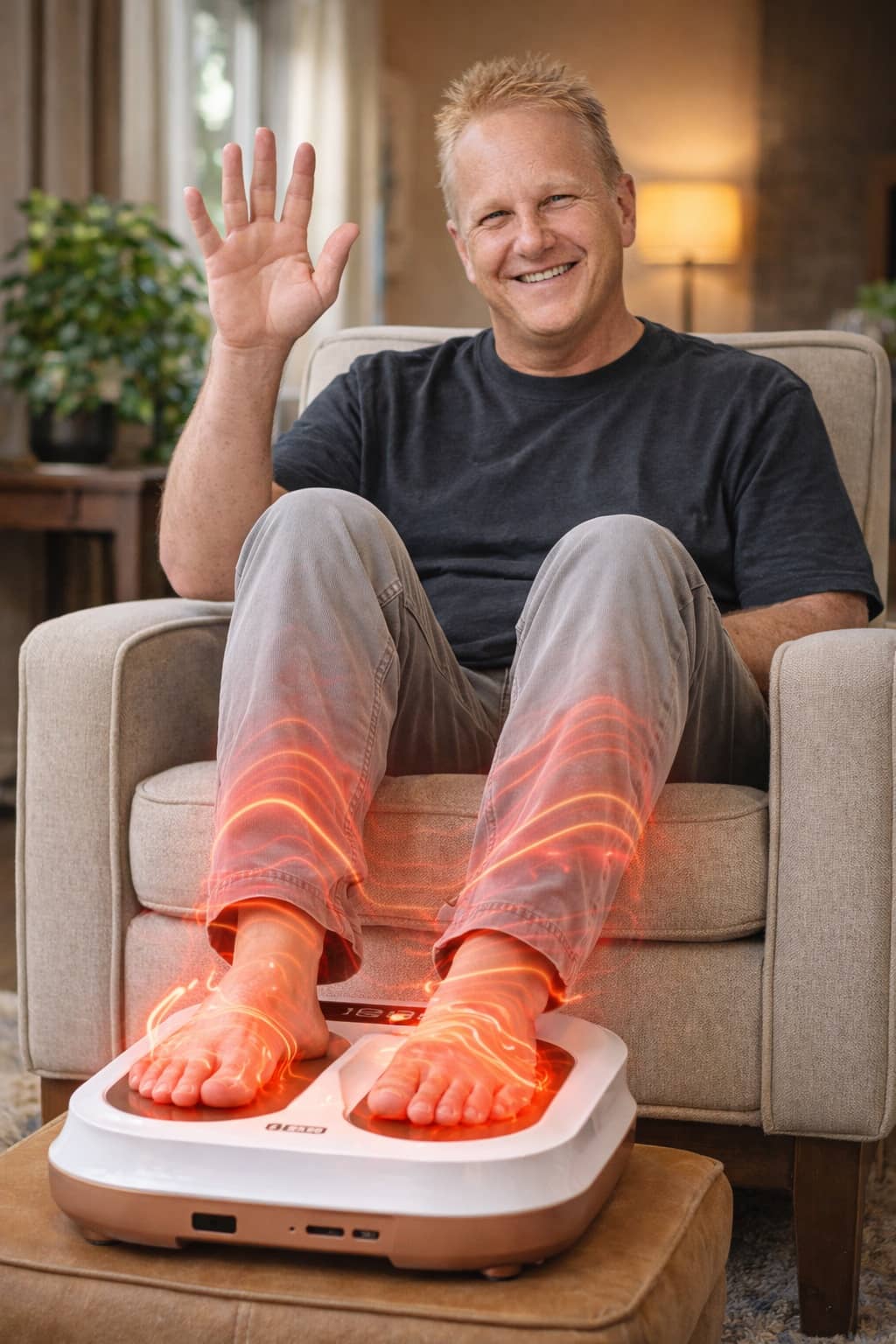
The OlyLife P90 Plus is a compact, attachment-based PEMF system designed for targeted, everyday use. Unlike full-body mat platforms that require dedicated floor space, the P90 Plus focuses on portability, modularity, and practical daily application.
Positioned within the mid-range tier, the P90 Plus includes interchangeable attachments that allow localized application across different areas of the body. In addition to core PEMF functionality, the system integrates terahertz technology within the main unit, while certain attachments incorporate complementary modalities such as radio frequency (RF), EMS, TENS, and red light. Its design emphasizes ease of use and accessibility rather than complex programmable interfaces.
Pricing typically falls within the mid-range category depending on bundle configuration and included attachments. Current bundles generally range from approximately USD $1,299 to $1,999, depending on included accessories and configuration.
Key Specifications
- Frequency Range: Pre-configured therapeutic frequency ranges
- Maximum Magnetic Field Strength (Gauss): Moderate localized output designed for targeted application
- Waveform Type: Pulsed electromagnetic waveform optimized for localized sessions
- Coverage: Localized (attachment-based application rather than full-body mat)
- Portability & Form Factor: Highly portable handheld-style device with detachable applicators
- Customization Options: Simple program selection with modular attachment flexibility
- Additional Technologies: Core unit combines PEMF and terahertz technology; select attachments may integrate radio frequency (RF), EMS, TENS, and red light functionality depending on configuration
- Intended User: Home users seeking convenient, daily-use PEMF sessions without full-body mat setup
Strengths
- Compact and easy to store
- No dedicated floor or bed space required
- Modular attachments expand usability
- Straightforward operation compared to high-end programmable systems
- Suitable for consistent daily application
Limitations
- Not a full-body immersion platform
- Less programmable depth compared to premium-tier systems
- Localized use requires manual repositioning
Ideal User
Someone who:
- Prefers a portable system over a full-body mat
- Wants targeted application in specific areas
- Values simplicity and convenience
- Is seeking a mid-range entry point with expandable attachment options
Further product information and bundle options can be explored through the official OlyLife channels.

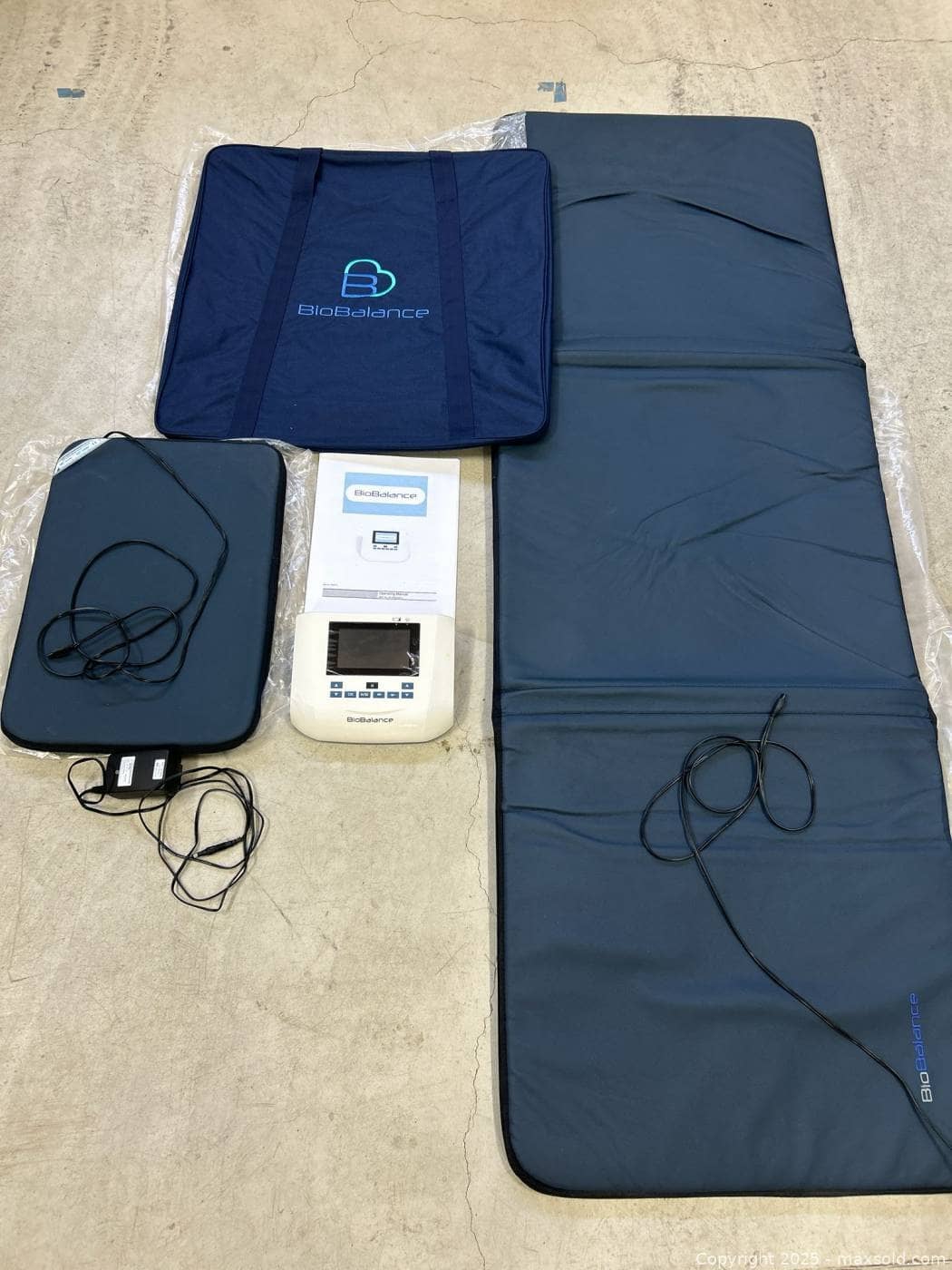
9. BioBalance PEMF System
Best for: Budget-conscious users wanting full-body PEMF mat functionality
Type: Full-body PEMF mat system
Price Tier: $1,000–$2,500 (Mid-Range)
Overview
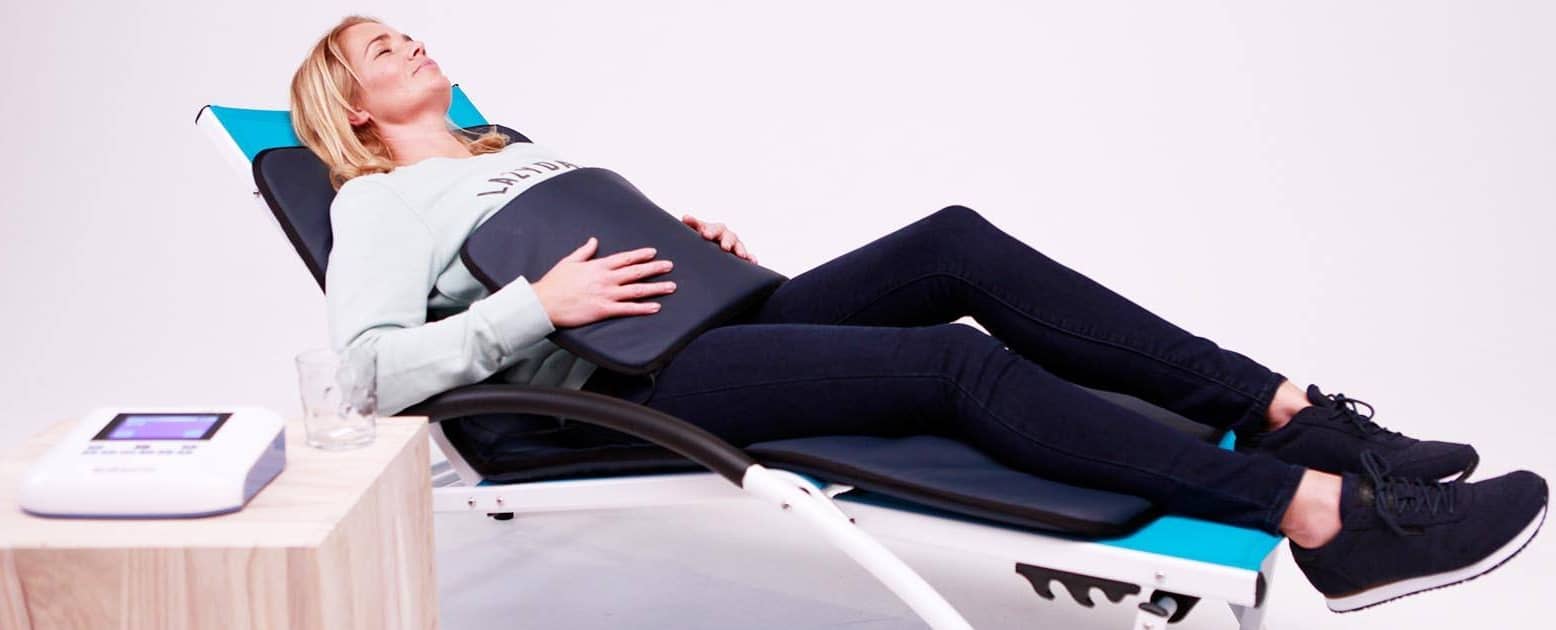
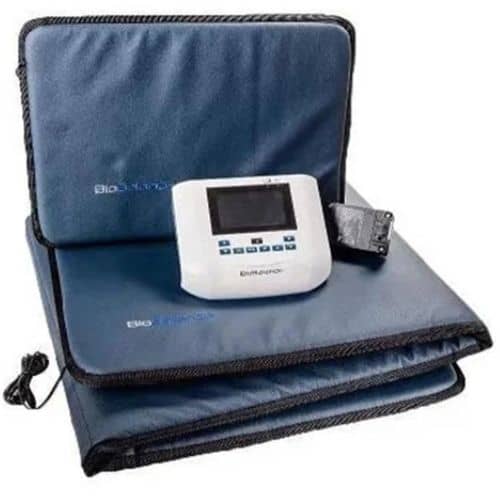
The BioBalance PEMF System is a home-use full-body mat platform designed to deliver pulsed electromagnetic field sessions in a simplified, accessible format.
Unlike premium-tier systems that focus heavily on clinical-grade programming or advanced waveform customization, BioBalance emphasizes ease of use and affordability within the mid-range segment.
It is positioned for home users seeking:
- A traditional mat-based PEMF experience
- Full-body coverage
- Straightforward operation
- Lower entry cost compared to high-end clinical platforms
Pricing typically falls at the upper end of the mid-range category, with most systems ranging from approximately USD $2,500 to $2,800, depending on mat size and configuration.
Key Specifications
- Frequency Range: Low-frequency therapeutic ranges typical for home-use PEMF systems
- Maximum Magnetic Field Strength (Gauss): Moderate full-body output suitable for general wellness sessions
- Waveform Type: Pulsed electromagnetic waveform (preset programs)
- Coverage: Full-body mat
- Portability & Form Factor: Foldable mat system; requires floor or bed placement
- Customization Options: Preset program selection; limited advanced programming
- Additional Technologies: Primarily PEMF-focused (varies by model; some configurations may include heat elements)
- Intended User: Home users wanting full-body sessions without premium-tier pricing
Strengths
- Full-body mat format
- More affordable than premium systems
- Straightforward setup
- Simple program selection
- Suitable for general wellness routines
Limitations
- Less programmable depth compared to high-end systems
- Limited multi-modality integration compared to hybrid devices
- Requires dedicated space for mat placement
- Less portable than localized handheld systems
Ideal User
Someone who:
- Prefers a traditional full-body mat experience
- Wants PEMF without multi-technology complexity
- Is budget-conscious within the mid-range category
- Values simplicity over advanced programmability
For detailed specifications and product information on the BioBalance PEMF system, see the BioBalance PEMF product page on DrPawluk.com
10. Curatron 3D System
Best for: Targeted, coil-based PEMF sessions
Type: Localized coil applicator system
Price Tier: $1,000–$2,500 (Mid-Range)
Overview
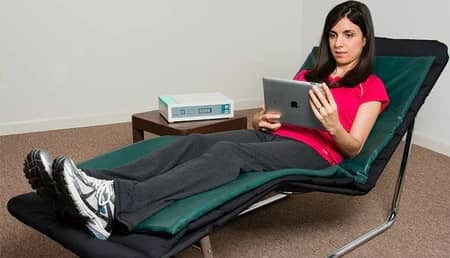
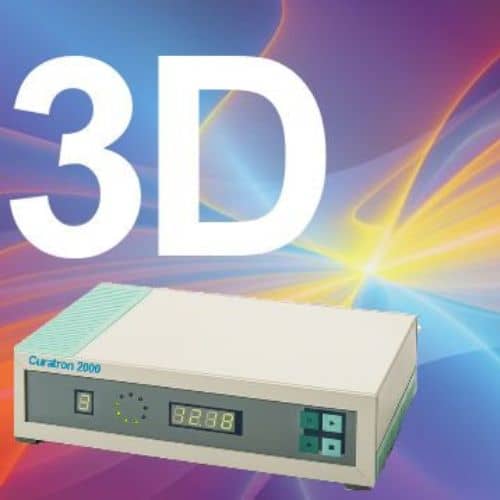
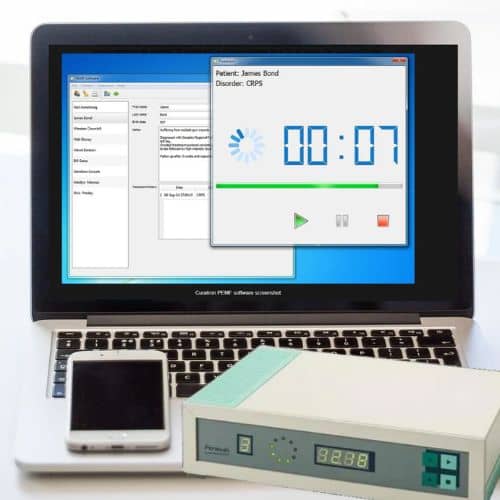
The Curatron 3D is a localized PEMF system designed around coil-based application rather than full-body mat coverage. Unlike mat systems that provide broad, passive exposure, the Curatron 3D focuses on targeted delivery using a circular coil applicator positioned directly over specific areas of the body. This style of system is often preferred by users who want more concentrated, localized application, higher magnetic intensity at a focused point, and shorter targeted sessions rather than full-body immersion. The Curatron 3D is commonly referenced in the home-use and practitioner-level PEMF market and is positioned between consumer mat systems and higher-end clinical platforms. Pricing typically falls within the mid-range to upper mid-range category, with systems generally ranging from approximately USD $2,500 to $3,500, depending on configuration and distributor, putting it right at the top of the mid range units..
Key Specifications
- Frequency Range: Low-frequency PEMF ranges typical for therapeutic applications
- Maximum Magnetic Field Strength (Gauss): Higher localized intensity via focused coil output
- Waveform Type: Pulsed electromagnetic waveform
- Coverage: Localized (coil-based application)
- Portability & Form Factor: Compact control unit with circular coil applicator
- Customization Options: Adjustable frequency and intensity settings (model dependent)
- Additional Technologies: Primarily PEMF-focused (no integrated multi-modality layers)
- Intended User: Individuals wanting targeted PEMF sessions rather than full-body mat use
Strengths
- Focused coil-based delivery
- More concentrated localized output
- Adjustable intensity settings
- Compact compared to mat systems
- Suitable for targeted application areas
Limitations
- Does not provide full-body coverage
- Requires manual repositioning for multiple areas
- Less “set and relax” compared to mat systems
- No integrated heat or multi-technology features
Ideal User
Someone who prefers targeted application over full-body immersion, wants higher localized magnetic intensity, is comfortable manually positioning a coil applicator, and is focused on specific areas rather than general wellness sessions.
For full specifications and configuration details, see the Curatron 3D product information page.
💰 MID-RANGE TIER COMPARISON TABLE (5 Devices)
|
Device |
Coverage |
Frequency Control |
Intensity |
Additional Tech |
Portability |
Price Range |
|---|---|---|---|---|---|---|
|
HealthyLine TAJ |
Full-body mat |
Preset |
Moderate |
Infrared, photons, negative ions |
Large mat |
$1,500–$2,500 |
|
EarthPulse V5 |
Sleep mat |
Adjustable |
Low–moderate |
PEMF-focused |
Bed-based system |
$1,000–$1,800 |
|
OlyLife TERA P90 Plus |
Localized + attachments |
Adjustable |
Moderate localized |
Terahertz, RF, EMS, TENS, red light |
Compact portable |
$1,299–$1,999 |
|
BioBalance PEMF |
Full-body mat |
Preset |
Moderate |
PEMF-focused |
Mat system |
$2,500–$2,800 |
|
Curatron 3D |
Localized coil |
Adjustable |
High localized |
PEMF-focused |
Portable coil |
$2,500–$3,500 |
📢 Shareable Insight
More features don’t always mean better results. In many cases, simplicity leads to consistency — and consistency is what drives outcomes.
👉 Click to Tweet
Budget-Friendly Home PEMF Devices (Under $1,000)
Not everyone needs a multi-thousand-dollar system.
For some users, entry-level PEMF devices provide a practical starting point — especially for localized sessions, experimentation, or budget-conscious wellness routines.
Lower-tier PEMF systems typically:
- Focus on basic preset programs
- Offer localized applicators rather than full-body mats
- Provide lower magnetic field strength compared to premium systems
- Emphasize affordability and simplicity
While they may not offer advanced programmability, multi-modality integration, or high-intensity output, these devices can still serve a role for users who want to explore PEMF therapy without a large upfront investment.
Below are several commonly referenced budget-tier PEMF devices used for home application.
11. HigherDOSE Go Mat
Best for: Infrared-focused wellness with light PEMF integration
Type: Portable infrared mat with PEMF
Price Tier: Below $1,000 (Budget to Lower-Range)
Overview
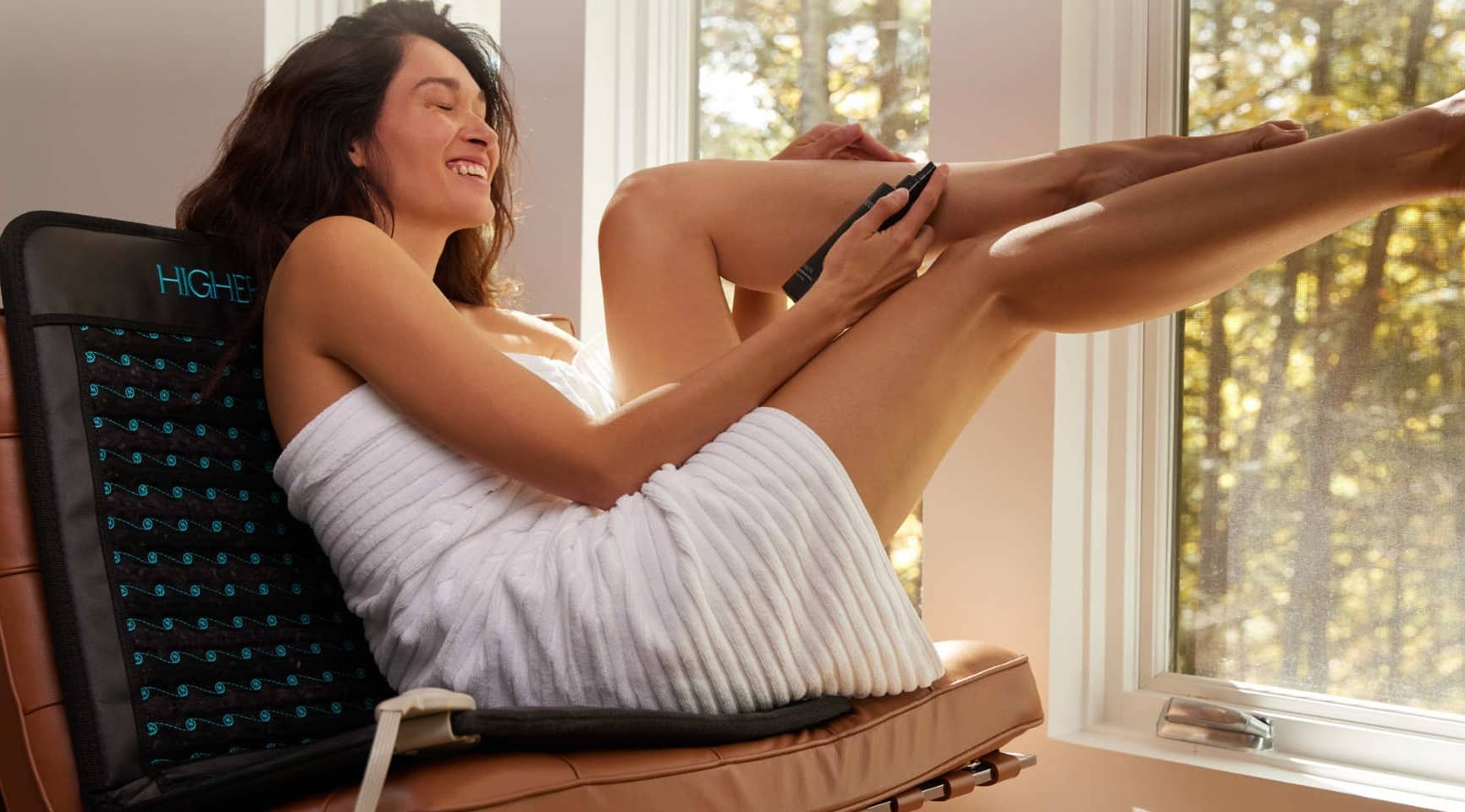
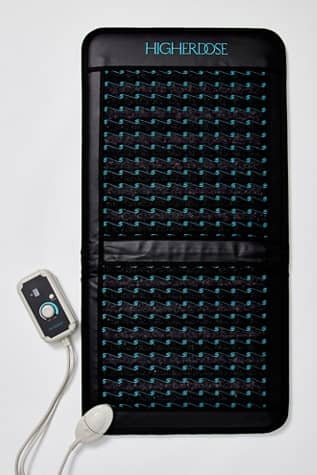
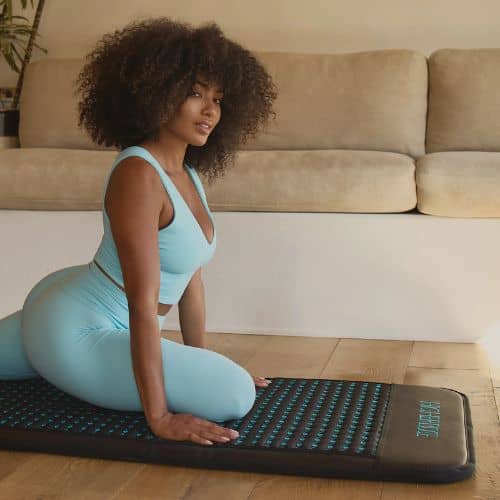
The HigherDOSE Go Mat is a compact wellness mat designed primarily around infrared heat therapy, with integrated low-level PEMF functionality layered into the system. Unlike traditional PEMF systems that prioritize magnetic field intensity and programmable frequencies, the Go Mat is positioned more as a lifestyle wellness product. It combines heat and light-based modalities with gentle electromagnetic stimulation in a portable, foldable format. This device is commonly marketed toward users interested in infrared relaxation sessions, detox-style wellness routines, short portable mat sessions, and aesthetic, lifestyle-focused health products. Pricing typically ranges from approximately USD $595 to $795, depending on promotions and bundles.
Key Specifications
- Frequency Range: Limited, preset low-frequency PEMF integration
- Maximum Magnetic Field Strength (Gauss): Low-intensity output compared to dedicated PEMF systems
- Waveform Type: Preset pulsed electromagnetic waveform (non-programmable)
- Coverage: Partial body (short portable mat)
- Portability & Form Factor: Lightweight, foldable mat
- Customization Options: Temperature control; minimal PEMF adjustability
- Additional Technologies: Infrared heat therapy; crystal or gemstone layers depending on model
- Intended User: Lifestyle wellness users prioritizing heat therapy with supplemental PEMF
Strengths
- Compact and travel-friendly
- Infrared heat integration
- Simple operation
- Lower entry cost than most full-body PEMF systems
- Aesthetic design appeal
Limitations
- Low magnetic field intensity
- Limited PEMF programmability
- Not designed as a clinical-grade PEMF device
- Partial-body coverage only
Ideal User
Someone who primarily wants infrared heat therapy, views PEMF as a secondary feature, prefers portability over full-body immersion, and is new to frequency-based wellness tools.
For full product details and current pricing, see the HigherDOSE Go Mat product page.
12. iReliev TENS / EMS Device
Best for: Entry-level electrical stimulation (TENS/EMS)
Type: Portable TENS / EMS unit
Price Tier: Below $1,000 (Budget to Lower-Range)
Overview
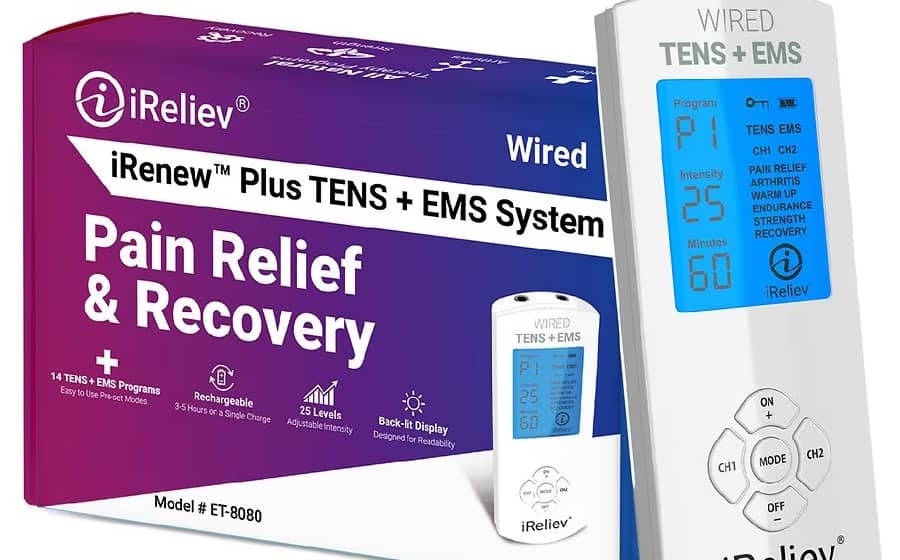
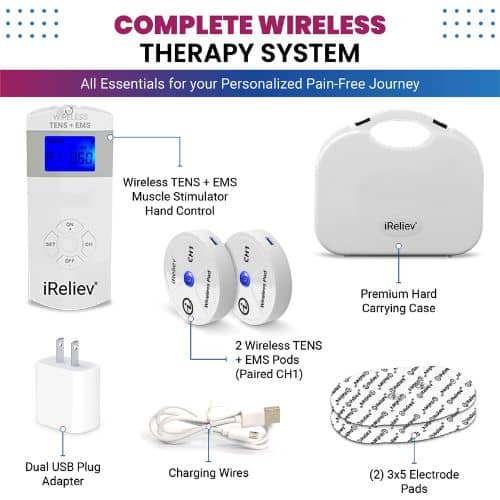
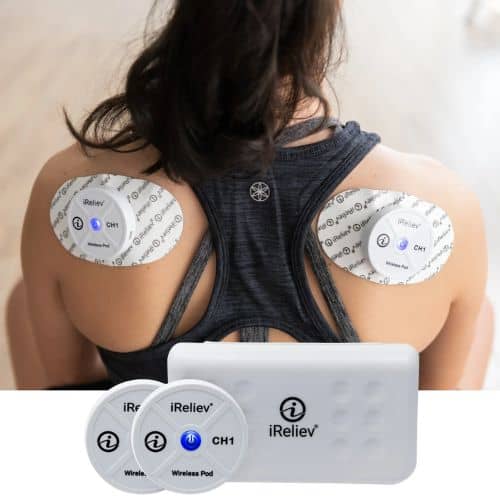
The iReliev device is a compact TENS (Transcutaneous Electrical Nerve Stimulation) and EMS (Electrical Muscle Stimulation) system designed for electrical nerve and muscle stimulation rather than true pulsed electromagnetic field (PEMF) therapy.
It is important to clarify that iReliev is not a dedicated PEMF system. Instead of generating electromagnetic fields, it delivers electrical impulses directly through adhesive electrode pads placed on the skin.
However, because iReliev is one of the most widely recognized and accessible electrotherapy brands in the budget category, it is often mentioned alongside PEMF devices in online searches and comparison discussions. For that reason, we’ve included it here for completeness and to help clarify the distinction between TENS/EMS technology and true PEMF systems.
Pricing typically ranges from approximately USD $199 to $399, depending on the model and retailer.
Key Specifications
- Technology Type: TENS and/or EMS (electrical stimulation)
- Delivery Method: Adhesive electrode pads
- Frequency Range: Preset electrical stimulation programs
- Magnetic Field Output: None (does not generate electromagnetic fields)
- Coverage: Localized (pad placement dependent)
- Portability & Form Factor: Lightweight handheld unit
- Customization Options: Multiple preset stimulation programs
- Intended User: Individuals seeking electrical nerve or muscle stimulation rather than PEMF therapy
Strengths
- Very affordable entry point
- Widely available and well known
- Portable and easy to use
- Multiple preset stimulation programs
- Suitable for localized application
Limitations
- Not a PEMF device
- No electromagnetic field generation
- Requires adhesive pad placement
- Different mechanism of action compared to PEMF systems
- Limited relevance for users specifically seeking PEMF therapy
Ideal User
Someone who is specifically looking for TENS or EMS electrical stimulation, wants a low-cost device for localized use, and understands the difference between electrical nerve stimulation and pulsed electromagnetic field therapy.
For full product details and specifications, see the iReliev product information page.
13. Omnipemf Portable System
Best for: Portable, frequency-adjustable PEMF sessions
Type: Compact handheld PEMF device
Price Tier: Below $1,000 (Budget to Lower-Range)
Overview
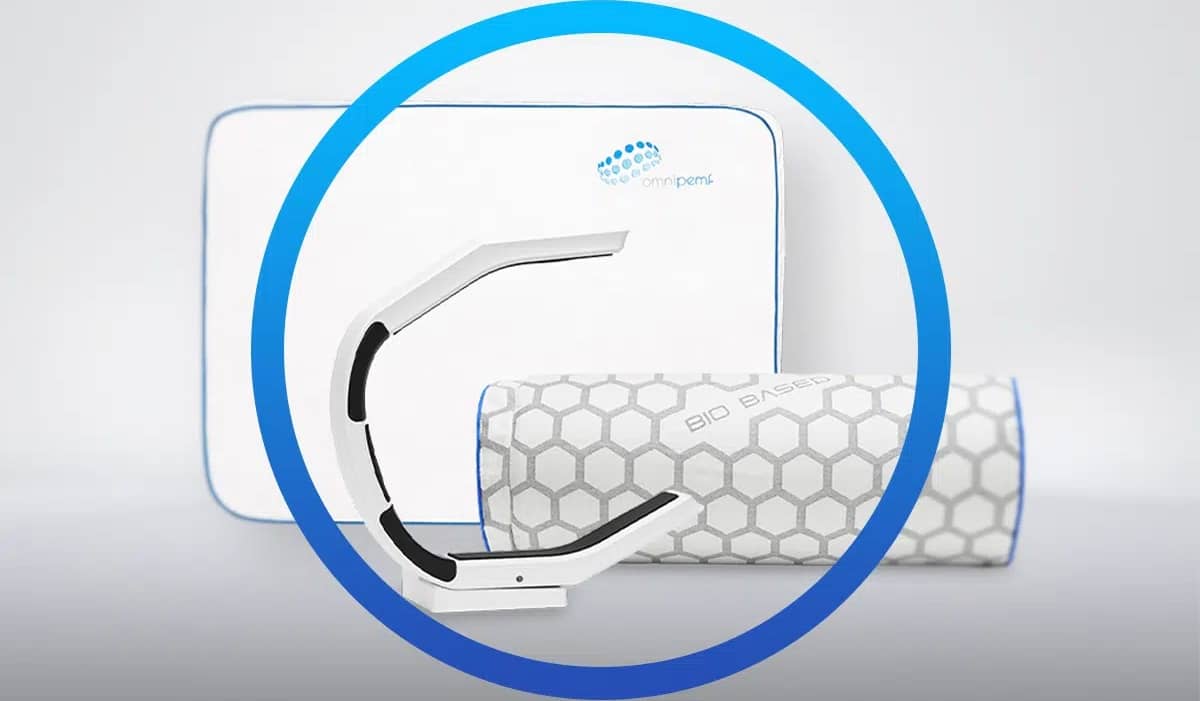
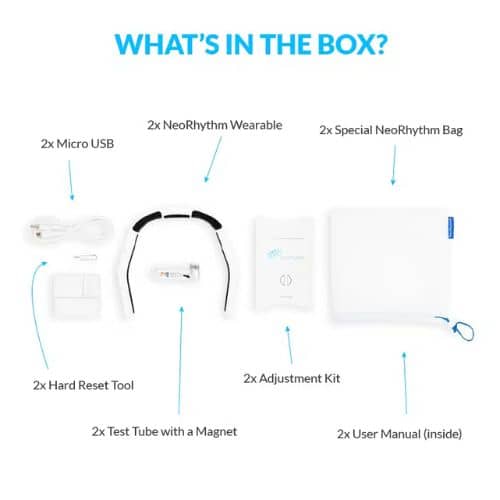
The Omnipemf Portable System is a compact pulsed electromagnetic field (PEMF) device designed for localized application with adjustable frequency control. Unlike infrared mats or electrical stimulation units, Omnipemf focuses specifically on low-frequency electromagnetic field delivery through a small, portable applicator.
Marketed as a lightweight and travel-friendly PEMF solution, the Omnipemf system allows users to manually adjust frequency settings within a specified range, making it more customizable than many preset-only budget devices.
The device is commonly positioned toward home users, wellness practitioners, and individuals looking for a simple yet adjustable PEMF platform without investing in a full-body mat or high-end clinical system.
Pricing typically ranges from approximately USD $400 to $700, depending on configuration and retailer.
Key Specifications
- Frequency Range: Adjustable low-frequency PEMF settings (user-controlled within device limits)
- Maximum Magnetic Field Strength (Gauss): Moderate localized output for small-area application
- Waveform Type: Pulsed electromagnetic waveform
- Coverage: Localized (handheld applicator)
- Portability & Form Factor: Compact, lightweight control unit with small applicator
- Customization Options: Manual frequency adjustment; limited advanced programmability
- Additional Technologies: PEMF-focused (no integrated infrared, RF, or EMS layers)
- Intended User: Individuals seeking portable, adjustable localized PEMF sessions
Strengths
- True PEMF technology
- Adjustable frequency control
- Compact and travel-friendly
- More customizable than preset-only entry devices
- Simple operation
Limitations
- Localized coverage only
- Not a full-body system
- Lower intensity compared to larger coil-based systems
- Limited waveform customization compared to premium platforms

Ideal User
Someone who wants a portable, adjustable PEMF device for targeted sessions, prefers manual frequency control, and does not require full-body mat coverage or multi-modality integration.
For full product specifications and configuration details, see the Omnipemf product information page.
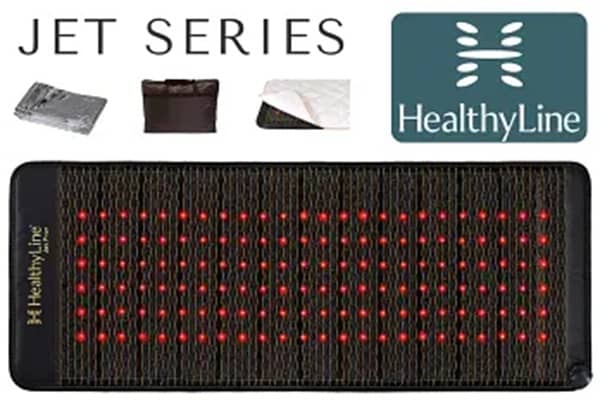
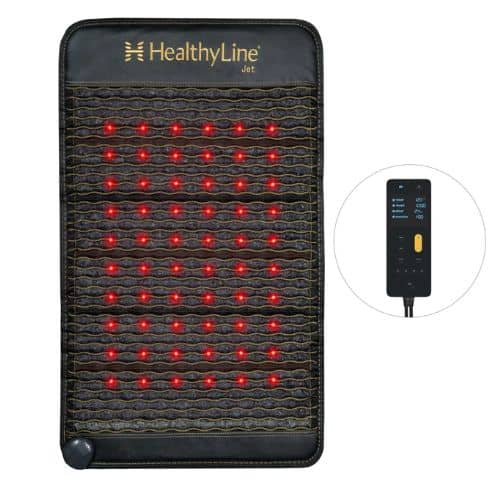
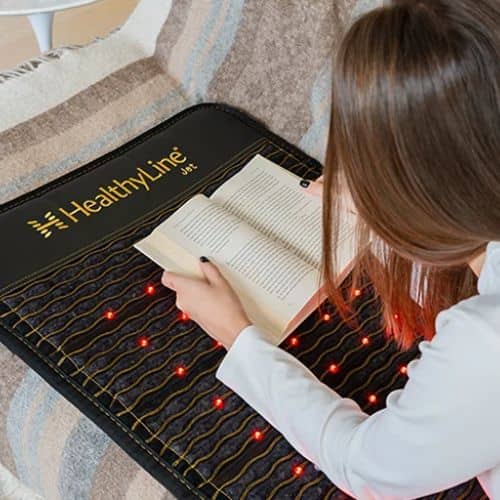
14. HealthyLine Soft Mat (Entry Models)
Best for: Budget full-body mat exposure
Type: Entry-level PEMF mat
Price Tier: Below $1,000 (Budget to Lower-Range)
Overview
The HealthyLine Soft Mat entry models are designed as a simplified version of the brand’s more advanced multi-technology systems. Unlike the TAJ series, which integrates multiple modalities such as infrared heat, photon light, and negative ion layers, the entry-level Soft Mat models focus primarily on PEMF with basic heat functionality.
These mats are typically marketed as accessible full-body systems for users who want mat-style exposure without the higher cost of premium HealthyLine models. They provide broad surface coverage, preset programs, and straightforward operation.
Pricing generally ranges from approximately USD $699 to $1,200, depending on size and included features.
Key Specifications
- Frequency Range: Preset PEMF programs
- Maximum Magnetic Field Strength (Gauss): Moderate output relative to entry-level mats
- Waveform Type: Pulsed electromagnetic waveform
- Coverage: Full-body mat (size dependent)
- Portability & Form Factor: Flexible mat design; foldable for storage
- Customization Options: Preset intensity levels; limited programmability
- Additional Technologies: Basic heat integration (model dependent)
- Intended User: Budget-conscious users seeking full-body mat exposure
Strengths
- Full-body coverage at a lower price point
- Simple controls
- Recognizable brand
- Larger surface area than handheld devices
- More accessible than premium multi-technology mats
Limitations
- Fewer integrated modalities than TAJ series
- Limited waveform customization
- Lower intensity compared to premium systems
- Larger footprint compared to portable units
Ideal User
Someone who prefers a full-body mat format, wants entry-level PEMF exposure, and does not require advanced multi-modality features or high-end customization.
For detailed specifications and size options, see the HealthyLine Soft Mat product information page.
💵 BUDGET TIER COMPARISON TABLE (4 Devices)
|
Device |
Coverage |
Frequency Control |
Intensity |
Additional Tech |
Portability |
Price Range |
|---|---|---|---|---|---|---|
|
HigherDOSE Go Mat |
Partial mat |
Preset |
Low |
Infrared heat |
Foldable mat |
$595–$795 |
|
iReliev (TENS/EMS) |
Localized pads |
Preset |
Electrical stimulation |
TENS / EMS (not PEMF) |
Handheld |
$199–$399 |
|
Omnipemf Portable |
Localized pad / attachments |
Adjustable |
Low–moderate |
PEMF-focused |
Portable |
$400–$700 |
|
HealthyLine Soft Mat |
Full-Partial body mats |
Preset |
Moderate |
Basic heat (model dependent) |
Mat system |
$699–$1,200 |
📊 MASTER 14-DEVICE COMPARISON TABLE
|
Device |
Coverage |
Adjustable? |
Multi Tech? |
Approx. Price Range |
|---|---|---|---|---|
|
BEMER Pro-Set |
Full-body mat |
Limited |
No |
$6,000–$7,000+ |
|
iMRS Prime |
Full-body mat |
Yes |
Limited |
$5,000–$12,000 |
|
Pulse Center |
Localized / Bed |
Yes |
No |
$3,000–$6,000+ |
|
MagnaWave Mini |
Localized coil |
Yes |
No |
$3,000–$5,000 |
|
Omnium1 |
Full-body mat |
Limited |
Light Integrations |
$3,500–$6,000 |
|
HealthyLine TAJ |
Full-body mat |
Limited |
Yes |
$1,500–$2,500 |
|
EarthPulse V5 |
Sleep mat |
Yes |
No |
$1,000–$1,800 |
|
OlyLife TERA P90+ |
Localized |
Yes |
Yes |
$1,299–$1,999 |
|
BioBalance |
Full-body mat |
Limited |
No |
$2,500–$2,800 |
|
Curatron 3D |
Localized coil |
Yes |
No |
$2,500–$3,500 |
|
HigherDOSE Go Mat |
Partial mat |
No |
Yes |
$595–$795 |
|
iReliev |
Localized pads |
No |
TENS/EMS |
$199–$399 |
|
Omnipemf |
Localized |
Yes |
No |
$400–$700 |
|
HealthyLine Soft Mat |
Partial-body mat |
Limited |
Minimal |
$699–$1,200 |
⚠️ Important Buying Warning: Avoid Cheap Knockoff PEMF Devices⚠️
As PEMF therapy has grown in popularity, so has the number of low-cost devices appearing on large marketplaces like Amazon, eBay, and other third-party platforms.
While some legitimate brands do sell through authorized distributors, there are also many listings that use well-known brand names in their product titles or descriptions to attract traffic — even when the product itself is not affiliated with that brand.
You may see phrases like:
- “BEMER-style PEMF device”
- “Comparable to MagnaWave”
- “Like Pulse PEMF”
- “Professional PEMF similar to iMRS”
- “OlyLife TERA P90 Plus”
In many cases, these products are not manufactured by those companies and are not authorized alternatives. They simply use recognizable names to capture search visibility.
A Real Example
During my own research, I came across multiple footpad-style units on Amazon and eBay that included “OlyLife TERA P90 Plus” in their product descriptions.
At first glance, it created the impression that the device might be affiliated with, comparable to, or derived from the OlyLife system — sometimes even suggesting similar retail value.
However, when I reviewed the listing more closely:
- The brand name was different
- The manufacturer was not identified
- The product images did not match the official OlyLife device
- The specifications were vague or incomplete
In other words, the listing referenced a recognizable product name, but the device itself was not that product.
This type of marketing can easily confuse buyers who assume name mentions imply legitimacy or affiliation.

Why This Matters
PEMF devices are not all created equal.
Magnetic field strength, waveform integrity, frequency accuracy, coil construction, engineering quality, and safety standards all vary significantly between systems.
With unknown or unverified devices, you often have:
- No independent Gauss verification
- No published waveform data
- No manufacturer transparency
- No warranty support
- No technical customer service
- No clear safety or compliance documentation
In some cases, specifications are exaggerated or poorly explained, making it difficult to compare them meaningfully against established systems.
Brand Mentions Do Not Equal Brand Authorization
Simply mentioning a reputable product in a listing does not make that listing an official product or authorized alternative.
If you are considering a premium or mid-range PEMF system, it’s wise to purchase through:
- The official manufacturer website
- An authorized distributor
- A verified affiliate or partner
That ensures:
- Legitimate specifications
- Warranty coverage
- Proper safety standards
- Ongoing support
A Simple Rule of Thumb
If a device claims to offer “professional-grade PEMF” at a fraction of the cost of established systems — and the brand identity is unclear — take the time to verify before purchasing.
Lower cost does not automatically mean lower quality.
But unclear branding combined with aggressive name references and vague technical data should prompt careful review.
Doing proper research up front can save significant time, money, and frustration later.
📢 Shareable Insight
The biggest mistake buyers make isn’t choosing the wrong device — it’s buying from the wrong source.
👉 Click to Tweet
🤔 How to Choose the Right PEMF Device for Your Goals
After reviewing 14 different systems across premium, mid-range, and budget categories, one thing becomes clear: there is no single “best” PEMF device. There is only the best device for your specific goals, budget, and lifestyle. The right choice depends on how you plan to use it. Below is a simple way to narrow down your options.
If You Want Full-Body Immersion
Full-body mat systems are designed for passive, whole-body sessions. These are ideal if you prefer lying down during sessions, want broad exposure rather than targeted application, plan to use PEMF as part of a relaxation routine, or like the simplicity of preset programs. Examples from this guide include BEMER Pro-Set, iMRS Prime, HealthyLine TAJ, BioBalance PEMF, and HealthyLine Soft Mat. Full-body systems tend to be larger, less portable, and more expensive, but they offer convenience and coverage.
If You Prefer Targeted Application
Coil-based or localized systems focus on specific areas rather than full-body exposure. These are better suited for users who want to focus on one area at a time, prefer higher localized intensity, don’t need a full-body mat, and value portability. Examples include Pulse Centers, MagnaWave Mini, Curatron 3D, Omnipemf, and OlyLife TERA P90 Plus. Localized systems require manual positioning but often provide greater flexibility and intensity at a specific point.
If Portability Matters
If you travel frequently or don’t want a large mat permanently set up in your home, portability becomes important. Compact systems like OlyLife TERA P90 Plus, Omnipemf, and iReliev (TENS/EMS category) are easier to store and transport compared to full-body platforms. Ask yourself whether the device will stay in one room or whether you need something you can pack and move easily.
If You Want Multiple Technologies in One Device
Some systems combine PEMF with additional modalities such as infrared heat, red light therapy, terahertz technology, radio frequency, EMS, or TENS. If you prefer an all-in-one wellness tool rather than a single-modality PEMF unit, look at systems like HealthyLine TAJ, HigherDOSE Go Mat, and OlyLife TERA P90 Plus. However, more technologies do not automatically mean better results; effectiveness depends on how each modality is engineered and how it aligns with your goals.

If You’re Budget-Conscious
Budget devices can provide an entry point into frequency-based wellness, but expectations should align with cost. Lower-tier systems may offer preset programs only, lower magnetic intensity, fewer customization options, and smaller coverage areas. If you’re new to PEMF and want to experiment before investing in a higher-tier system, the budget category may be a reasonable starting point.
Are You a Practitioner or Advanced User
If you intend to use PEMF in a professional setting or require higher localized intensity with adjustable parameters, premium coil-based systems may be more appropriate. Systems like Pulse Centers and MagnaWave Mini are structured more like practitioner platforms than lifestyle mats and allow for more focused application control.
The One Question That Simplifies Everything
Before choosing any device, ask yourself: do I want full-body or localized sessions? Do I value portability or permanence? Do I want pure PEMF or multi-modality integration? Am I looking for relaxation, performance support, or targeted application? What is my realistic budget? When you answer those honestly, the “best” option becomes much clearer.
💡 Why I Ultimately Chose the OlyLife TERA P90 Plus
After reviewing premium mat systems, practitioner-grade coil devices, hybrid infrared mats, and budget entry units, I had to narrow things down based on one simple reality: what would I actually use consistently? Not what looked impressive. Not what had the highest price tag. Nor what sounded the most “clinical.” But what fit my lifestyle, space, and goals. Here’s how I made that decision.
I Didn’t Want a Permanent Full-Body Mat Setup
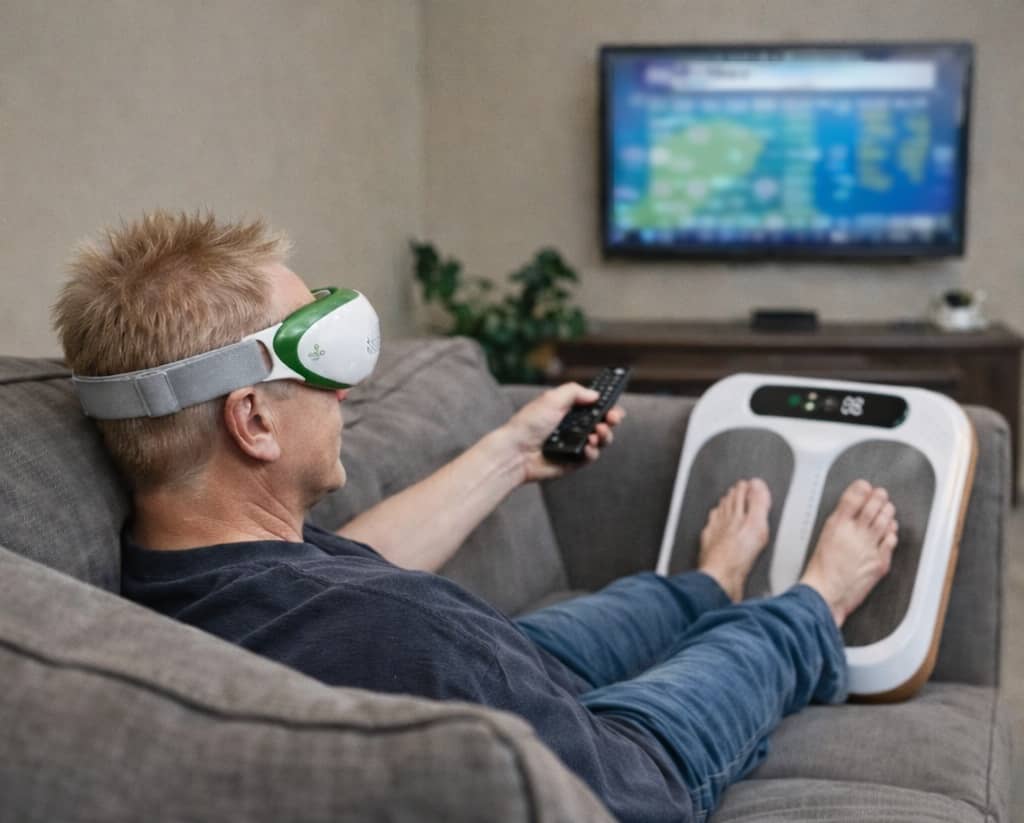
Full-body systems like BEMER, iMRS, and HealthyLine TAJ offer convenience in a lying-down format, but they require dedicated space and often become semi-permanent installations in a room. I wanted something I could store easily, move between rooms, use while seated, and travel with if needed. A large mat system didn’t fit how I realistically live day to day.
I Wanted Adjustable, Targeted Application
Coil-based systems like Pulse Centers and MagnaWave Mini offer strong localized intensity, but they are more practitioner-oriented and often come at a premium price point. I was looking for targeted sessions for pain relief, adjustable settings, a compact footprint, and practical daily usability.
With the OlyLife TERA P90 Plus, I can use the main unit directly on the feet or hands for focused sessions, which makes it easy to hone in on specific areas without setting up a full mat. The additional attachments allow for more precise targeting — such as shoulders, knees, lower back, or other localized areas — depending on what I want to focus on that day.
That combination of adjustability and targeted flexibility gave me control without requiring a clinical-style setup.
I Was Interested in Multi-Technology Integration
One of the differentiators that stood out was that the TERA P90 Plus combines PEMF, terahertz technology, radio frequency, EMS, TENS, and red light via attachments. More technology does not automatically mean better, but in this case it meant flexibility. Instead of owning multiple devices for different modalities, I could access several within one platform. For my personal goals, that mattered.
Portability Was a Major Factor
The compact design and attachment system meant I could use it on specific areas, adjust sessions quickly, store it when not in use, and keep it practical. That portability made consistency easier — and consistency is ultimately more important than theoretical intensity levels.
It Offered a Strong Value-to-Cost Ratio
Premium full-body systems can exceed $5,000–$10,000, and practitioner coil systems often start above $3,000. The OlyLife TERA P90 Plus typically falls within the mid-range category while still offering adjustable frequency, multi-modality integration, and portable design. For me, that balance of functionality and cost made sense.

Then Chose to Become an Affiliate After Using It
I did not become an affiliate first and then decide to recommend it. I tested it, evaluated it, and compared it against other systems. Only after using it and being satisfied with its build quality, functionality, and versatility did I decide to become a partner. That allows me to offer direct guidance, configuration support, wholesale pricing access, and ongoing assistance. If it hadn’t impressed me personally, I would not attach my name to it.
Who the OlyLife TERA P90 Plus Is Not For
To keep this balanced: if you want full-body passive immersion every session, a mat may suit you better. If you need very high-output clinical coil intensity, a practitioner platform may be preferable. If you simply want basic entry-level experimentation, a budget unit might be enough. The TERA P90 Plus sits in the middle — flexible, portable, multi-functional. That’s why it fit my criteria. Not because it’s the best for everyone, but because it was the best match for how I actually use PEMF technology.
💰 How to Access Wholesale Pricing on the OlyLife TERA P90 Plus
If you’ve made it this far and the TERA P90 Plus feels like the right fit, there is a way to access preferred or wholesale-level pricing depending on configuration and eligibility. Because OlyLife operates through a structured distribution model rather than traditional retail, pricing and bundles can vary. The simplest way to ensure you’re getting the correct configuration and accurate pricing information is to connect with me directly. (just mention this comparison guide so I have context)
Why a Direct Conversation Makes More Sense Than a Checkout Button
This isn’t a generic add-to-cart product. There are different attachments, bundles, and usage scenarios that can influence what makes the most sense for you. A quick 1-on-1 conversation allows me to understand your goals, clarify what you actually need (and what you don’t), and ensure you’re not over- or under-buying. It also ensures you’re accessing legitimate distribution channels rather than third-party listings.
What Happens When You Reach Out
The process is straightforward. We review your goals, talk through the TERA P90 Plus and any attachments that make sense, clarify pricing structure, and determine the best path forward. There’s no obligation and no pressure — just clarity.
Ready to Move Forward?
If you’re serious about getting started and want accurate information rather than marketplace confusion, book a 1-on-1 call using the link below. If you prefer something quicker, you can message me directly and mention this post so I know the context.
That’s the cleanest way to ensure you’re getting the right setup at the right price.
Wholesale Access May Apply to Other OlyLife Products
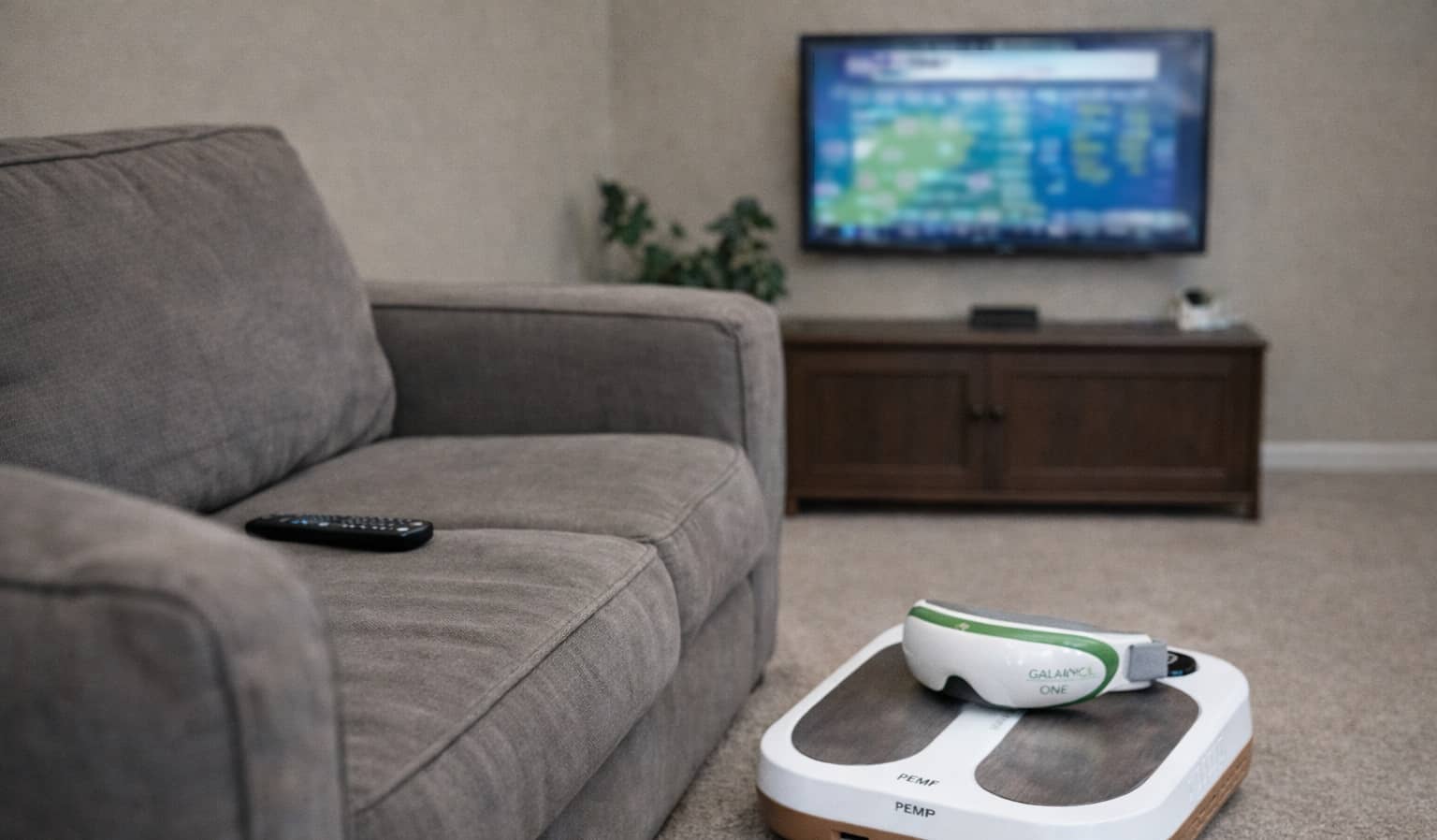
If you’re also looking at other OlyLife devices — such as the Galaxy G-One PEMF Eye Goggles, Shaken Massager Belt, or additional therapy attachments — we can discuss whether wholesale or preferred pricing structures may apply there as well. Eligibility and structure can vary, so it’s best handled directly rather than guessing through a standard retail listing.
Frequently Asked Questions About PEMF Devices
Do PEMF devices actually work?
PEMF therapy has been studied for its potential role in supporting circulation, cellular energy production (ATP), recovery processes, inflammation and pain management. Research in certain medical contexts has shown measurable physiological effects. However, results vary depending on device quality, frequency parameters, and individual use. Wellness-focused home devices are not medical treatments, but many users report benefits related to recovery, comfort, and general performance support.
Is PEMF the same as TENS or EMS?
No. TENS (Transcutaneous Electrical Nerve Stimulation) and EMS (Electrical Muscle Stimulation) use electrical impulses to stimulate nerves or muscles directly, often causing visible contraction. PEMF therapy works differently — it delivers pulsed electromagnetic fields that interact with the body’s cellular electrical activity without forcing muscle contraction. Some modern systems combine these technologies, but they operate through different mechanisms.
What frequency range is best for PEMF therapy?
Most home-use PEMF systems operate within low-frequency ranges, commonly between 1–30 Hz. Some practitioner systems allow wider customization. The “best” frequency depends on the intended application and design of the system. More adjustable does not automatically mean more effective — engineering quality and waveform integrity matter just as much.
Is a higher Gauss rating always better?
Not necessarily. Magnetic field strength (measured in Gauss) is only one part of the equation. Waveform shape, pulse duration, frequency accuracy, and coil design all influence how a device performs. Extremely high Gauss output is not required for every user or every application. Balanced engineering matters more than raw numbers alone.
Can you use a PEMF device every day?
Most home wellness PEMF systems are designed for regular use. Many users incorporate sessions daily or several times per week depending on goals. As with any wellness technology, it’s wise to follow manufacturer guidelines and consult a professional if you have implanted electronic devices or medical concerns. Post on is PEMF Therapy safe.
What’s the difference between full-body mats and localized coil systems?
Full-body mats provide passive, whole-body exposure during a session. Localized systems allow you to target specific areas with more precision. Mats are often simpler to use, while localized systems provide more flexibility. The right choice depends on whether you prefer immersion or targeted application.
Are multi-technology devices better than pure PEMF systems?
Some devices combine PEMF with infrared, red light, terahertz, radio frequency, EMS, or TENS. Multi-modality systems can offer flexibility by integrating several approaches into one unit. However, more features do not automatically mean better outcomes. The value depends on how well each technology is implemented and whether it aligns with your goals.
Why do some PEMF systems cost over $5,000?
Premium systems often include advanced engineering, higher-quality coils, customizable settings, practitioner-grade output levels, or integrated software platforms. Pricing can also reflect brand reputation, distribution structure, and support services. Cost alone does not determine quality, but ultra-low pricing paired with vague specifications should be evaluated carefully.
Are cheaper PEMF devices on Amazon or eBay legitimate?
Some lower-cost devices may function as basic entry-level systems, but buyers should review specifications carefully. Listings that reference well-known brand names without being officially affiliated can create confusion. Always verify manufacturer identity, warranty coverage, and technical documentation before purchasing.
Are other OlyLife devices worth considering alongside the TERA P90 Plus?
Some users explore additional OlyLife products such as the base model tera P90, Galaxy G-One PEMF Eye Goggles, the Shaker Massager Belt, or specific therapy attachments depending on their wellness goals. Each device operates differently and serves a distinct purpose. If you’re considering building a broader frequency-based wellness setup, it’s worth understanding how these systems compare and whether combining technologies makes sense for your situation. Reviewing detailed breakdowns of each product can help clarify their intended use before making a decision.
What is frequency therapy, and how does PEMF fit into it?
Frequency therapy is a broad category that includes technologies using electromagnetic, electrical, light, or sound-based frequencies to interact with biological systems. PEMF therapy is one subset within that larger field. Other modalities, such as terahertz therapy or red light therapy, operate in different frequency ranges and through different mechanisms. Understanding the differences can help you choose a system that aligns with your intended pain management use
Final Thoughts: What’s the Best PEMF Device in 2026?
After comparing 14 different systems across premium, mid-range, and budget tiers, one thing becomes clear:
There isn’t a single “best” PEMF device for everyone.
There is only the best device for your goals, your space, your budget, and your intended use.
Full-body mats offer convenience and passive immersion.
Localized systems provide precision and flexibility.
Multi-technology devices add versatility.
Premium platforms offer customization and practitioner-grade control.
The right choice depends on how you plan to use it — not simply which device has the highest price tag or the longest feature list.
If you’ve worked through the comparison tables, reviewed the selection criteria, and considered how you actually live day to day, the answer should feel clearer now.
And whichever direction you go, make sure you’re buying from legitimate sources, understanding the specifications, and choosing a system that aligns with your expectations.
Technology can be a powerful support tool.
But it works best when layered on top of strong foundations.
Devices like PEMF, terahertz, or other frequency-based tools may support joint recovery and performance — yet long-term wellness still comes back to sleep quality, metabolic health, nutrition, movement, and consistency.
If you’re interested in improving those foundations alongside advanced wellness technology, structured programs like the 51-Day Challenge provide a practical roadmap for addressing metabolic health and daily habits in a sustainable way.
Because ultimately, no device replaces the fundamentals.
It enhances them.
Choose wisely, stay informed, and build from the ground up.


The P90+ is my favorite device because it used not only PEMF but Terahertz. The two hand help wands for beauty and red light therapy at the price point make it superior to others in my opinion. Massive value here though well done!
Absolutely, same thought process I had.
My wife has frozen shoulder and a clinical pemf mat/bed seemed to help. There is so much information to digest do you have a recommendation in $1000 range also sleep is fleeting for her….. she falls asleep but wakes frequently and does not get solid sleep.
And the comparison tables is how I found this
David, Thanks for commenting. — frozen shoulder can be incredibly frustrating, especially when it starts affecting sleep as well.
It’s interesting that you noticed a benefit from a clinical PEMF mat/bed, because that does give a good indication that the body is responding to that type of support. However, there’s quite a bit of variation between devices in that ~$1000 range, and the differences can actually matter depending on whether the priority is pain relief, mobility, or improving sleep quality.
In situations like this, it’s usually not just about picking a device, but choosing something that fits her specific situation — especially with the sleep disruptions you mentioned.
Rather than guess in the comments, it’s probably easier if we narrow it down properly for you.
👉 If you’re open to it, you can book a quick time with me here and we’ll go through a couple of solid options that actually make sense for what you’re trying to achieve:
https://calendly.com/drewyboy/51-day-challenge-consult
Or feel free to message me directly on Messenger if that’s easier. https://facebook.com/andrew.twelftree
I’ll also send you a quick email so you’ve got a direct line to reply 👍
Interesting article – but the newest and most advanced PEMF advice is missing – from the father of PEMF Dr. Wolf A. Kafka. He actually invented the BEMER signal over 20 years ago and now has designed a new unique signal „superposition” – in the KLOUD – 50x more effective than the former BEMER signal. We are seeing wonderful results already. The world needs urgently to know. From my heart to yours, Bettina Kradolfer – https://info.centropix.com/