
PEMF for Inflammation: A New Solution for Chronic Pain & Swelling
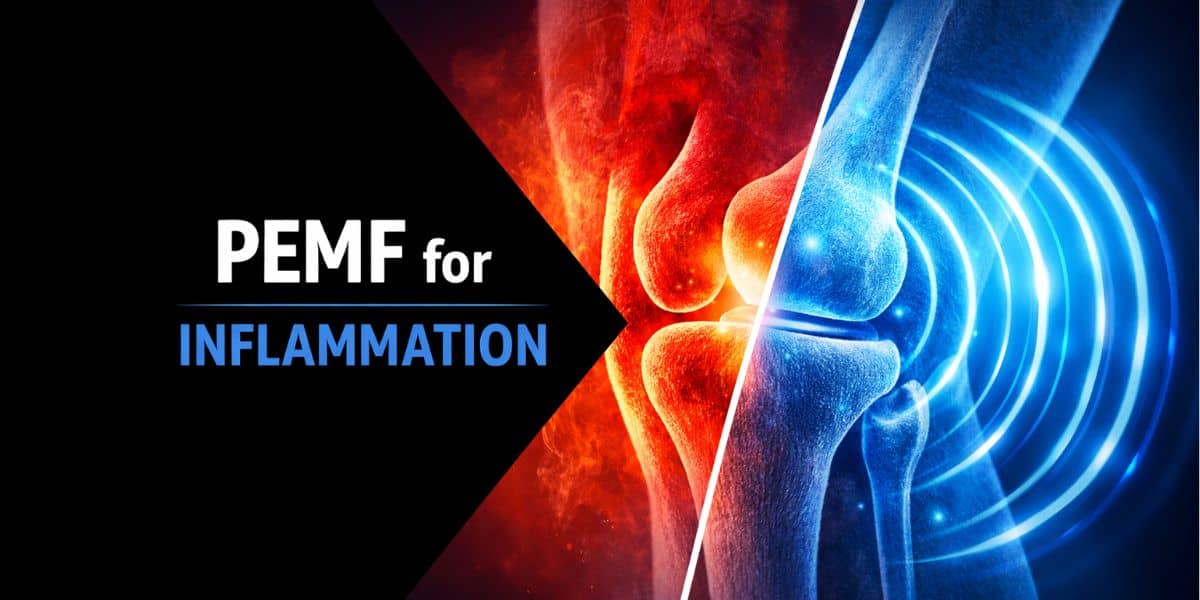
PEMF for inflammation has become an increasingly popular topic among people looking for natural ways to reduce chronic pain and swelling. Pulsed Electromagnetic Field therapy, commonly known as PEMF, uses targeted electromagnetic pulses to support the body’s natural healing processes at a cellular level.
Many people dealing with chronic inflammation turn to PEMF because they want alternatives to medication. Persistent inflammation often causes ongoing pain, swelling, stiffness, and slow recovery from injuries. While anti-inflammatory drugs can temporarily suppress symptoms, they rarely address the deeper biological processes driving inflammation in the first place.
That gap has led many people to explore therapies that support the body’s own repair systems rather than masking discomfort. PEMF therapy fits into that category. By stimulating cellular activity and improving circulation, PEMF may help tissues recover and inflammation resolve more naturally.
In this article, we’ll explore how PEMF for inflammation works, why many people use it for chronic pain and swelling, what research says about the technology, and how it fits into a broader strategy for improving health and recovery.

What Is PEMF?
PEMF stands for Pulsed Electromagnetic Field therapy.
This technology uses controlled electromagnetic pulses to interact with the body at a cellular level. These pulses pass through tissues and influence biological processes related to healing, circulation, and cellular energy.
Every cell in the human body uses electrical activity to function. Cells communicate through electrical signals, and the body relies on electromagnetic activity to regulate many biological processes.
PEMF therapy introduces specific electromagnetic frequencies designed to support this natural communication system.
Instead of forcing the body to respond chemically, PEMF works through physical stimulation. The electromagnetic pulses interact with cells and encourage responses that support repair and recovery.
Over the past several decades, researchers have studied PEMF technology in areas such as:
- Bone healing
- Pain reduction
- Tissue regeneration
- Circulation improvement
- Inflammation management
Athletes, physical therapists, and wellness practitioners now use PEMF devices as part of recovery programs.
Many individuals also choose to use PEMF at home as part of a long-term wellness strategy.
Understanding Inflammation
Inflammation itself is not the enemy.
Inflammation plays an essential role in the body’s defense and repair systems. When injury occurs, inflammation helps isolate damaged tissue and begins the healing process.
Short‑term inflammation helps the body recover from infection, trauma, or stress.
Problems develop when inflammation becomes chronic.
Chronic inflammation persists long after the original trigger disappears. Instead of helping repair tissue, it begins damaging cells and interfering with normal recovery processes.
Common symptoms of chronic inflammation include:
- Persistent joint pain
- Swelling in muscles or joints
- Stiffness after inactivity
- Slow injury recovery
- Fatigue
- Reduced mobility
Lifestyle factors often contribute to chronic inflammation. Poor diet, metabolic dysfunction, chronic stress, sleep disruption, and sedentary habits can all increase inflammatory activity.
When inflammation becomes constant, the body struggles to repair itself effectively.
That is why many people search for solutions that support healing instead of simply suppressing symptoms.
How PEMF May Help Reduce Inflammation
PEMF therapy interacts with biological processes that influence inflammation and tissue repair.
Several mechanisms may explain why PEMF helps support recovery.
Cellular Energy Production
Cells rely on a molecule called ATP to produce energy. ATP powers most biological processes, including tissue repair and regeneration.
Research suggests PEMF stimulation may increase ATP production within cells. Higher cellular energy allows tissues to repair themselves more efficiently.
Improved Circulation
Inflammation often disrupts blood flow in injured tissue. Reduced circulation slows healing because tissues receive less oxygen and fewer nutrients.
PEMF therapy may stimulate circulation and support oxygen delivery to damaged areas. Improved blood flow helps remove metabolic waste products that accumulate in inflamed tissues.

Tissue Repair Support
Cells responsible for tissue repair respond to improved cellular signaling.
PEMF stimulation may encourage cells involved in regeneration to increase activity, which supports faster recovery from inflammation or injury.
Reduced Oxidative Stress
Oxidative stress contributes to inflammation and tissue damage. Some studies suggest PEMF exposure may influence cellular antioxidant activity.
These combined effects may explain why people often report reduced swelling, improved mobility, and faster recovery after using PEMF therapy.
My Experience Using PEMF for Chronic Knee Pain
My interest in PEMF therapy started with a long history of knee problems. Years of training and physical activity, combined with multiple arthroscopies and a full knee reconstruction, took a serious toll on my joints. Even after those procedures, occasional injuries piled on top of the original damage. Over time my knees remained chronically swollen, inflamed, and arthritic.
Doctors offered the standard medical approach: anti-inflammatory medication and ongoing pain management. They also said that the next step down the road is a full knee replacement, which honestly scared me. That path never appealed to me. I refused to rely on medication to manage the condition and the idea of major surgery felt like a last resort. Instead, I wanted to find natural ways to support healing, or simply tolerate the discomfort rather than medicate it away.
Before discovering PEMF, I worked on several foundational health changes. I improved my metabolic health and lost weight, which helped to a degree. Reducing body weight relieved some pressure on my knees, but the arthritis remained. Sharp pain still appeared from time to time, especially after activity.
So What Did I Do?
Eventually I began researching technologies that might support my recovery. After digging into the available options, I chose a foot-based PEMF and terahertz system with an additional red light therapy handheld applicator. The foot device allowed me to treat my lower legs through the PEMF and terahertz platform, while the handheld red light applicator let me target other areas of the body whenever pain or inflammation appeared.
Using a home PEMF wellness device produced several noticeable benefits for me. Circulation improved, recovery after activity felt easier, and the constant swelling around my knee gradually reduced. I also noticed broader improvements in overall metabolic health and fat loss while using the device consistently, which I believe may be connected to better circulation and cellular recovery.
Today PEMF has become a regular part of my daily routine. Consistency matters when supporting recovery, and having the technology at home makes that easy.

If you’re curious about the PEMF system I chose or want help deciding whether a similar solution could work for you, feel free to book a call through my Calendly to discuss your options. If you just have a quick question, you can also message me directly and I’ll point you in the right direction. (Just mention this post)

📢 Shareable Insight
Chronic inflammation often lingers because the body struggles to complete the healing process. Technologies like PEMF aim to support circulation, cellular energy, and tissue repair so the body can finish the job naturally.
👉 Click to Tweet
Potential Benefits of PEMF for Inflammation
People explore PEMF for inflammation because they want natural support for pain and recovery.
Reported benefits often include:
Pain Reduction
Inflammation contributes heavily to chronic pain. As inflammation decreases, discomfort often declines and movement improves.
Swelling Reduction
Inflamed tissues frequently accumulate fluid. Improved circulation may help reduce swelling and support normal tissue function.
Faster Recovery
Athletes commonly use PEMF as part of recovery routines. Enhanced circulation and cellular activity may accelerate recovery after physical stress.
Improved Mobility
Reduced inflammation allows joints and muscles to move more freely. Many users report better flexibility and range of motion.
Support for Long‑Term Healing
Unlike medication, PEMF focuses on supporting the body’s natural repair processes.
That approach aligns with long‑term health strategies focused on recovery and resilience.
Conditions Linked to Chronic Inflammation
Inflammation contributes to many common health problems.
People exploring PEMF therapy often experience conditions such as:
Arthritis
Inflamed joints create stiffness, swelling, and reduced mobility. Some Natural Arthritis remedies
Joint Pain
Repetitive strain or injury can cause persistent inflammation in joints such as knees, shoulders, and hips.
Muscle Injuries
Inflammation accompanies muscle strains and tears.

Tendon Inflammation
Conditions such as tendonitis involve chronic inflammation that slows healing.
Sports Injuries
Athletes often experience inflammation from repetitive physical stress.
Natural Ways to Reduce Inflammation
Technology can support recovery, but lifestyle habits play a major role in controlling inflammation. Addressing the root causes often produces the most meaningful long‑term improvements.
Diet
Diet strongly influences inflammatory activity in the body. Diets high in ultra‑processed foods, excess carbohydrates, refined sugars, and industrial seed oils often increase inflammation and metabolic stress.
Shifting toward whole foods, quality proteins, healthy fats, and nutrient‑dense vegetables can help regulate blood sugar, improve metabolic health, and reduce inflammatory pressure on the body.
Intermittent Fasting
Fasting allows the body to enter a biological repair mode through a process called autophagy. During autophagy, the body clears damaged cellular components and supports regeneration.
This natural cleanup process plays an important role in metabolic health, inflammation regulation, and long‑term tissue recovery.
Exercise and Movement
Regular movement improves circulation, supports metabolic function, and stimulates anti‑inflammatory responses throughout the body.
Strength training, walking, mobility work, and cardiovascular exercise all contribute to better recovery and reduced chronic inflammation.
Sleep and Stress Management
Chronic stress and poor sleep elevate inflammatory hormones and slow tissue repair. Prioritizing quality sleep and managing stress through breathing, recovery practices, and balanced routines helps regulate inflammation.
Home Wellness Technologies
Modern home wellness technologies in the broader Frequency Therapy space can complement these lifestyle strategies by supporting circulation, cellular recovery, and tissue repair. Examples include:
- PEMF therapy
- Terahertz therapy
- Red light therapy
Many people combine these technologies with metabolic health strategies to support recovery and long‑term wellness.

Readers who want a structured approach to improving metabolic health, reducing inflammation, and building sustainable habits can explore these strategies further inside the 51 Day Challenge.
📢 Shareable Insight
Inflammation is not always the enemy. It’s part of the body’s natural healing response. Problems arise when inflammation becomes chronic and never fully resolves, leading to persistent pain, swelling, and long-term tissue damage.
👉 Click to Tweet
What Research Says About PEMF and Inflammation
Scientific interest in PEMF therapy has grown over the past several decades.
Researchers have studied PEMF technology in areas such as bone regeneration, tissue repair, pain management, and circulation improvement.
Some studies suggest PEMF exposure influences cellular metabolism, inflammatory markers, and recovery processes.
Although research continues to evolve, many practitioners view PEMF as a promising technology for supporting recovery and inflammation management.
What a PEMF Session Feels Like
PEMF therapy sessions remain simple and non‑invasive.
Users typically lie or sit near a device that emits electromagnetic pulses through pads or coils.
Most people feel very little during a session.
Some users notice gentle warmth or subtle pulsations. Others feel nothing at all.
Sessions typically last between 10 and 30 minutes depending on the device and settings used.
Is PEMF Safe?
PEMF therapy safety has been studied for decades and is generally considered safe when used correctly.
The therapy does not involve drugs or invasive procedures.
However, individuals with implanted electronic devices such as pacemakers should consult a medical professional before using PEMF.

Pregnant individuals should also seek professional guidance before using electromagnetic wellness technologies.
Responsible use and proper device selection remain important.
Choosing a PEMF Device for Home Wellness
As interest in PEMF grows, many people choose to use devices at home.
Home devices allow consistent use without frequent clinic visits, which helps support long-term recovery and inflammation management.
PEMF systems come in several forms, each designed for slightly different use cases:
- Handheld devices with targeted coils, cords, or pads for focusing PEMF energy on specific areas of the body
- PEMF mats that allow full-body sessions while lying down
- PEMF foot units or foot platforms that deliver PEMF through the feet and lower legs
Different models vary in frequency ranges, power levels, and treatment applications. Selecting the right device depends on factors such as your health goals, treatment areas, lifestyle, and budget.
If you want to understand the differences between various systems and which type may work best for your situation, you can explore our detailed guide on PEMF home wellness devices.
Individuals exploring PEMF technology often benefit from guidance when selecting a device that fits their needs.

Frequently Asked Questions About PEMF for Inflammation
Does PEMF reduce inflammation?
PEMF therapy may support processes related to circulation, cellular repair, and metabolic recovery that influence inflammation.
How does PEMF therapy help inflammation?
Electromagnetic pulses stimulate cellular activity and may support tissue repair and circulation.
How long does PEMF take to reduce pain?
Results vary depending on the condition and individual response to chronic pain. Some people notice improvements quickly, while others see gradual benefits.
Is PEMF safe for daily use?
Many people use PEMF regularly when following manufacturer guidelines.
Are there other options for pain relief alongside PEMF therapy?
PEMF therapy is one of the most effective options for supporting long-term healing, reducing inflammation, and improving cellular function. It works at a deeper level to address the underlying causes of pain rather than just masking symptoms.
However, you can combine PEMF with other therapies depending on your needs.
For example, TENS therapy can be used for temporary pain relief by blocking pain signals and providing fast, targeted relief during flare-ups.
This makes it a useful complementary tool.
👉 PEMF supports long-term recovery and healing
👉 TENS helps manage pain in the short term
Using both together can give you a more complete approach to pain management—relieving discomfort while your body works to heal.
Can PEMF help arthritis inflammation?
Some individuals use PEMF therapy to support joint recovery and mobility.
Can PEMF help swelling and joint pain?
Improved circulation and cellular repair processes may support swelling reduction. PEMF Therapy for pain relief.
How often should you use PEMF therapy?
Usage frequency depends on the device and individual goals. Personally I use my footpad device twice a day for 30 minutes.
Is PEMF better than pain medication?
PEMF works differently than medication. Instead of suppressing symptoms chemically, it aims to support biological repair processes.
Are home PEMF devices effective?
Many people choose home PEMF devices because they allow consistent use without needing frequent clinic visits. Consistency plays a major role in supporting recovery, improving circulation, and helping the body manage inflammation over time.
In addition to clinical research on PEMF therapy, there is also a growing body of personal testimonials and real-world user experiences from people using home wellness devices for pain relief and inflammation reduction. Many users report improvements in swelling, mobility, recovery time, and overall comfort when PEMF becomes part of their regular wellness routine.
While results vary from person to person, the increasing number of positive user experiences has made home PEMF systems an increasingly popular option for people seeking drug-free approaches to managing chronic inflammation and pain.
What conditions can PEMF therapy help?
Users often explore PEMF therapy for joint pain, muscle injuries, inflammation, and recovery support.
Is there a Home PEMF Brand I Recommend?
After extensive research I decided on a Brand, after using that brand for a period of time, I decided to then become a wholesaler for them. See here.
Can EMS therapy help with inflammation and pain relief as well?
EMS therapy can support pain relief in certain situations, particularly when discomfort is linked to weak or inactive muscles. By stimulating muscle contractions, EMS may help improve circulation and support recovery in targeted areas.
However, EMS is more focused on muscle activation, whereas therapies like PEMF are often used for broader support related to inflammation, circulation, and overall recovery.
If you’re unsure which approach suits your situation best, it helps to understand how these therapies differ and where each one fits.
👉 Learn more in this guide on EMS therapy
Final Thoughts
Chronic inflammation contributes to persistent pain, swelling, and reduced mobility.
While medications often focus on symptom management, PEMF technology aims to support the body’s natural healing processes.
By influencing circulation, cellular energy production, and tissue repair, PEMF may provide a drug‑free strategy for managing inflammation and chronic pain.
Combining PEMF therapy with lifestyle strategies such as improved nutrition, fasting, exercise, and metabolic health practices may provide a powerful path toward long‑term recovery.
If you want to take a deeper approach to reducing inflammation and improving your health, consider joining the 51 Day Challenge.
The challenge explores strategies around metabolic health, fasting, and lifestyle changes that support long‑term healing.
If you are interested in PEMF home wellness devices, you can also book a consultation to discuss which options may work best for your needs.
👉 Book a free consultation here.
👉 Need a quick answer instead? 👉Message Me Direct,
(Just mention where you found me. 😎)


Great way to relive inflammation holistically. I know people personally who suffer with it, and are getting incredible results using PEMF..
Great to hear that. A lot of people I talk to are starting to realise inflammation often needs a whole-body approach rather than just medication. Things like metabolic health, diet, fasting, movement, and supportive technologies like PEMF can make a big difference for some people.
Hello! I just want to offer you a huge thumbs up for the great information you have here on this post.
I am coming back to your blog for more soon.