
PEMF Therapy for Pain Relief: What the Research Really Says
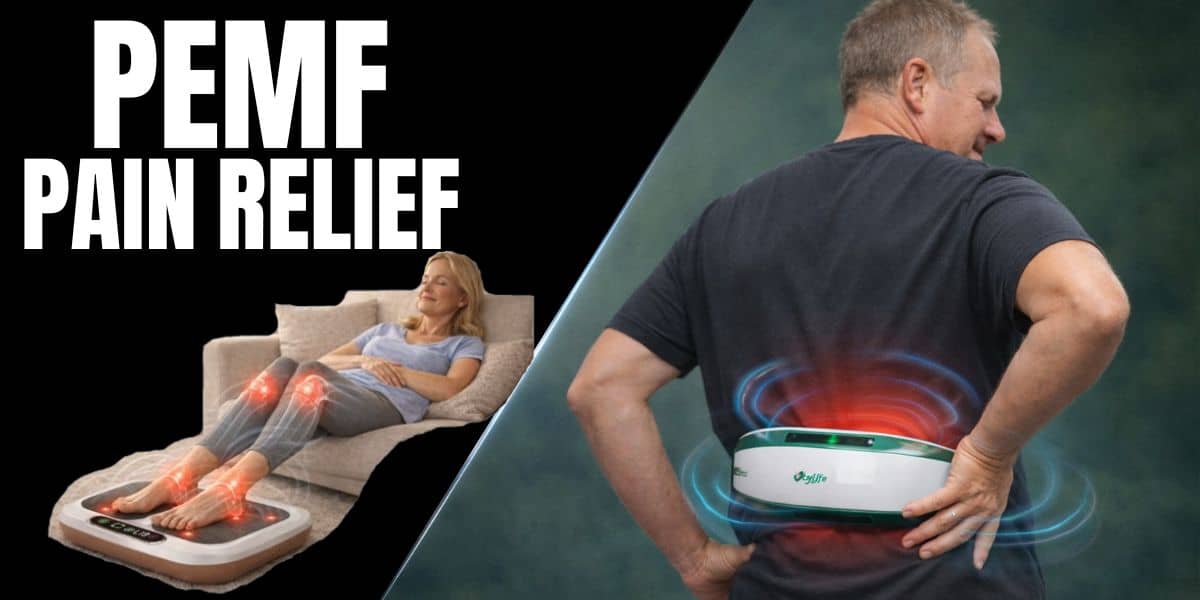
Chronic pain affects hundreds of millions of people worldwide, which is why many people are now researching solutions like PEMF therapy for pain relief. For many sufferers, the standard approach to treatment still involves medications, injections, or invasive procedures. While these methods can sometimes provide relief, they often come with side effects, dependency concerns, or limited long‑term success.
As a result, many people are searching for drug‑free alternatives that support the body’s natural healing processes. One technology attracting increasing attention is PEMF therapy for pain relief, also known as Pulsed Electromagnetic Field Therapy.
PEMF therapy uses low‑frequency electromagnetic pulses to stimulate cells and tissues. Supporters suggest it may help reduce inflammation, improve circulation, and support recovery from injury. Over the past several decades, researchers have explored PEMF therapy for a variety of conditions including arthritis, back pain, soft tissue injuries, and post‑surgical recovery.
But does it actually work?
In this article, we’ll explore what the research really says about PEMF therapy for pain relief, how the technology works in the body, and why it’s gaining attention as a potential non‑drug treatment option.

Does PEMF Therapy Work for Pain Relief?
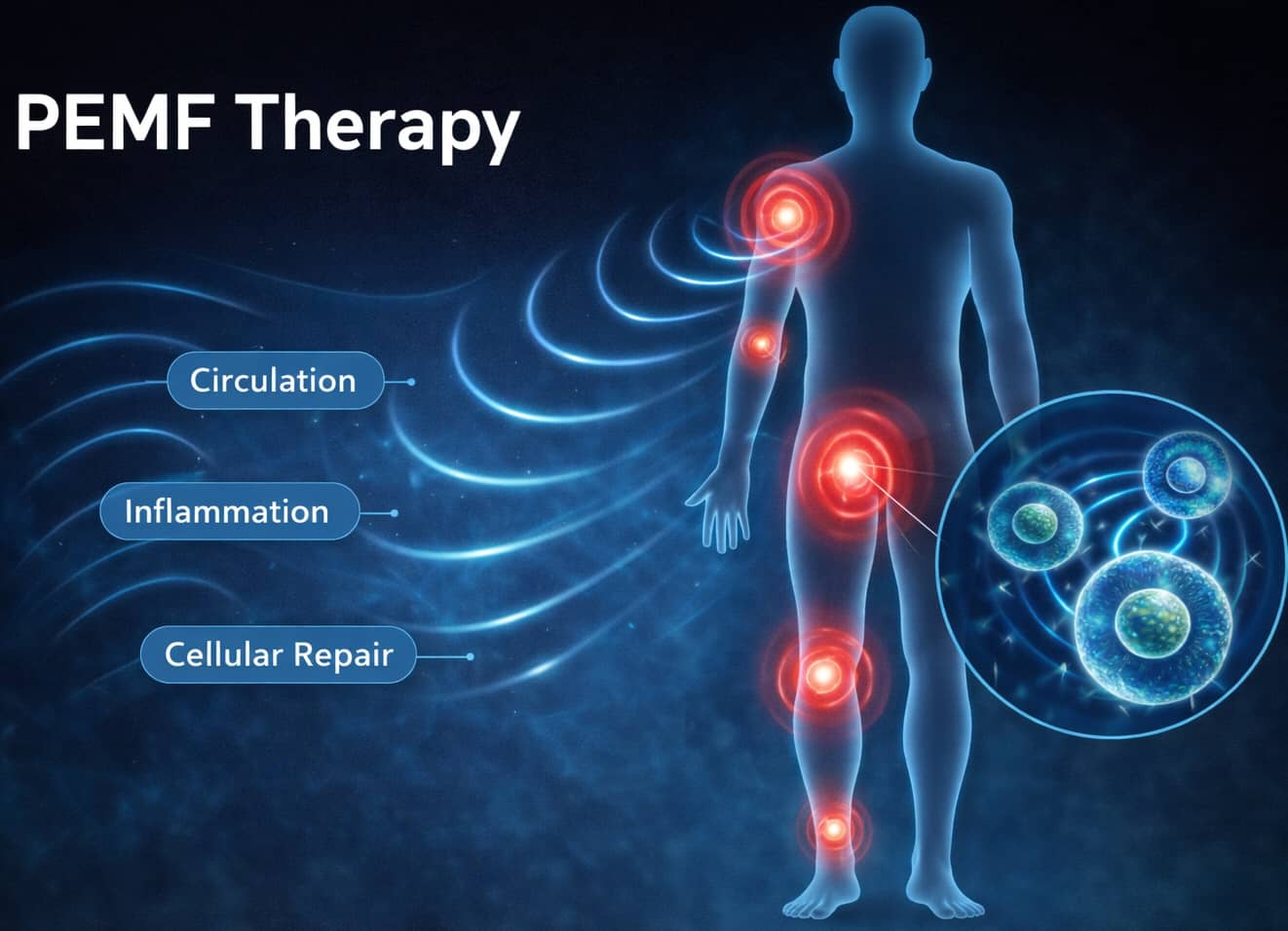
Research suggests that PEMF therapy for pain relief may help reduce inflammation, improve circulation, and support cellular repair. Clinical studies examining conditions such as osteoarthritis, back pain, and musculoskeletal injuries have reported improvements in pain scores and mobility. While results vary depending on the condition and treatment protocol, PEMF therapy is increasingly explored as a drug-free approach to pain management.
What Is Pulsed Electromagnetic Field Therapy (PEMF)?
Pulsed Electromagnetic Field Therapy (PEMF) is a non‑invasive treatment that uses low‑frequency electromagnetic waves to stimulate cells and tissues.
PEMF devices generate electromagnetic pulses that pass through the body. These pulses interact with the body’s natural electrical systems, which play an important role in cellular communication and healing.
Every cell in the body maintains an electrical charge across its membrane. This electrical potential helps regulate how nutrients enter cells, how waste products leave, and how cells communicate with each other.
Researchers believe PEMF therapy may influence this cellular activity, potentially supporting processes involved in healing, inflammation control, and tissue repair.
PEMF technology has been studied for decades. In fact, certain PEMF devices have received regulatory approval in some countries for specific medical uses, such as supporting the healing of non‑union bone fractures.
Today, PEMF therapy is used in a variety of settings including:
- Physical therapy clinics
- Sports recovery facilities
- Chiropractic practices
- Home wellness devices
While interest in the technology continues to grow, the most important question remains: how might PEMF therapy influence pain?
How PEMF Therapy Works for Pain Relief in the Body
Pain is often connected to underlying biological processes such as inflammation, reduced circulation, nerve signaling, and tissue damage. PEMF therapy may influence several of these mechanisms.
Cellular Energy and ATP Production
Cells require energy to repair damaged tissues and maintain normal function. This energy is produced in the form of ATP (adenosine triphosphate).
Some laboratory studies suggest that electromagnetic stimulation may help support mitochondrial activity, which is responsible for generating ATP. Increased cellular energy may improve the body’s ability to repair tissues.
Circulation and Oxygen Delivery
Healthy circulation is essential for healing. Blood flow delivers oxygen and nutrients while removing waste products produced during injury or inflammation.
Research has suggested PEMF therapy may influence microcirculation, potentially improving blood flow to tissues that require repair.
Effects on Inflammation
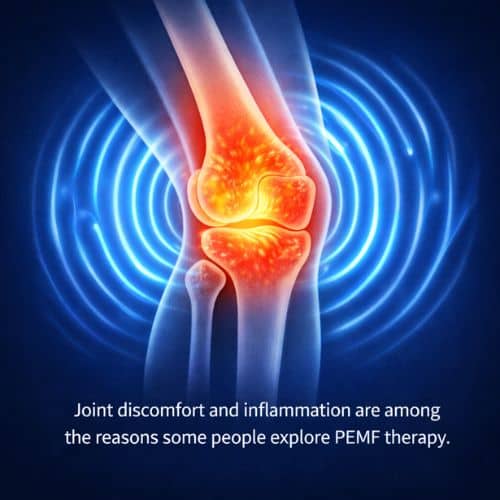
Inflammation is one of the most common contributors to chronic pain. When inflammation persists, it can lead to swelling, stiffness, and increased pain sensitivity.
Some experimental studies have found that PEMF exposure may influence inflammatory signaling pathways, potentially reducing levels of inflammatory markers.
Nerve Signaling and Pain Perception
Pain signals travel through the nervous system. Certain therapies aim to influence how these signals are transmitted or perceived.
There is ongoing research exploring whether electromagnetic stimulation may affect nerve signaling related to pain perception.
Together, these mechanisms provide a possible explanation for how PEMF therapy might contribute to pain relief.
📢 Shareable Insight
PEMF therapy focuses on supporting the body’s natural healing processes by improving circulation, influencing inflammation, and helping cells recover more efficiently.
👉 Click to Tweet
PEMF Therapy and Inflammation
Inflammation plays a central role in many painful conditions.
Common conditions associated with chronic inflammation include:
- Osteoarthritis
- Rheumatoid arthritis
- Chronic back pain
- Tendon injuries
- Soft tissue damage
Inflammation is part of the body’s natural healing response, but when it becomes prolonged, it can contribute to persistent pain and tissue damage.
Several experimental and clinical studies have examined whether PEMF therapy may influence inflammatory processes.
Some research suggests PEMF stimulation may affect inflammatory molecules such as cytokines, which help regulate immune responses. Changes in these signaling molecules may potentially reduce swelling and improve mobility.
However, it’s important to note that research findings vary depending on treatment parameters, device intensity, and study design.
More large‑scale clinical studies are still needed to determine how consistently PEMF therapy influences inflammation in different medical conditions.
What the Research Says About PEMF Therapy for Pain Relief
Research on PEMF therapy spans several decades. Scientists have studied the technology for a variety of musculoskeletal conditions that involve pain and impaired healing.
Below are some of the most commonly researched areas.
Clinical Studies on Osteoarthritis
Osteoarthritis is one of the most common causes of joint pain, particularly in the knees, hips, and hands.
Several clinical studies have investigated PEMF therapy for osteoarthritis pain and joint function.
Some trials have reported improvements in:
- Pain scores
- Joint stiffness
- Physical function
Participants receiving PEMF therapy in certain studies reported better mobility and reduced discomfort compared with control groups.
A randomized controlled trial published in the journal Pain Research and Management (2013) examined the effects of pulsed electromagnetic field therapy on knee osteoarthritis. Researchers reported improvements in pain scores and joint function among participants receiving PEMF therapy compared with control groups.
Research on Chronic Back Pain
Chronic lower back pain affects millions of people and can be difficult to treat.
Researchers have explored PEMF therapy as a complementary treatment for back pain, particularly when inflammation or muscle strain is involved.
Some studies suggest PEMF therapy may contribute to reductions in reported pain levels and improvements in daily activity.
For people specifically dealing with lower back pain, some recovery tools are designed to target this area directly. One example is the OlyLife Shaken Massager, which uses vibration and frequency-based stimulation to support muscle relaxation and circulation in the lower back.
Fibromyalgia and Widespread Pain
Fibromyalgia causes widespread pain, fatigue, and heightened sensitivity to pain signals.
A small number of clinical studies have examined PEMF therapy in people with fibromyalgia. Some results suggest improvements in pain scores and quality of life, although research in this area remains limited.
Researchers have also explored PEMF therapy in people with fibromyalgia. One controlled study reported improvements in pain levels and quality-of-life scores among participants receiving electromagnetic field therapy. PEMF Therapy Reduces Pain in Fibromyalgia
Studies on Soft Tissue Healing and Recovery
Researchers have also investigated PEMF therapy for recovery from soft tissue injuries.
Athletes and rehabilitation specialists have shown interest in PEMF technology because of its potential to support:
- Muscle recovery
- Ligament healing
- Post‑exercise soreness reduction
While evidence continues to develop, these areas remain active fields of research.
Potential Benefits of PEMF Therapy for Pain Relief
Based on current research and clinical observations, PEMF therapy may offer several potential benefits.
These may include:
- Reduced pain intensity
- Improved joint mobility
- Faster recovery from injuries
- Support for tissue repair
- Improved circulation
Results may vary depending on the condition treated, the device used, and the treatment protocol.
You should not treat PEMF therapy as a universal cure, but rather as a supportive therapy that may complement other approaches to recovery.
Additionally PEMF therapy also sits within the broader field of frequency-based wellness technologies. Other approaches within this space include modalities such as terahertz therapy, red light therapy, and other forms of electromagnetic stimulation designed to support circulation, cellular activity, and recovery. Many people exploring PEMF therapy eventually look into these related technologies as part of a broader frequency therapy approach to health and recovery.
Conditions Commonly Studied With PEMF Therapy
Researchers have explored PEMF therapy across a variety of conditions associated with pain, inflammation, and slow tissue recovery. While results vary depending on the condition and treatment protocol, several specific pain areas appear frequently in both clinical studies and real-world use.
Arthritis
Both osteoarthritis and rheumatoid arthritis involve joint inflammation and cartilage degeneration. PEMF therapy has been studied for its potential effects on reducing joint pain, improving mobility, and supporting cartilage health.
Chronic Back Pain
Muscle strain, disc irritation, and inflammation can contribute to persistent lower back pain. Some research suggests PEMF therapy may help reduce pain intensity while supporting circulation and tissue recovery in the lower back.
Knee Pain
Knee pain is one of the most commonly reported joint complaints, particularly among athletes and older adults. Studies examining osteoarthritis frequently focus on the knee joint, making it one of the most researched areas for PEMF therapy.
A meta-analysis reviewing several randomized controlled trials found that PEMF therapy improved pain, stiffness, and physical function in patients with knee osteoarthritis across multiple studies Pub Med
Hip Pain
Hip pain can develop from arthritis, overuse injuries, or inflammation of surrounding muscles and tendons. Some studies have explored whether PEMF therapy may help improve mobility and reduce discomfort in the hip joint.
Ankle Pain
Ankle injuries, ligament strains, and chronic instability are common sources of pain. Because PEMF therapy may support circulation and tissue repair, it has been explored as a supportive therapy for ankle recovery.
Shoulder Pain
Shoulder injuries such as rotator cuff strain, tendon inflammation, and frozen shoulder can limit movement and cause ongoing discomfort. Researchers have investigated PEMF therapy as a complementary treatment to support healing and reduce pain.
Neck Pain
Neck pain is frequently associated with muscle tension, poor posture, or cervical spine issues. Some practitioners use PEMF therapy in this region to support circulation and reduce muscle stiffness.
Musculoskeletal Injuries
Researchers and clinicians have explored PEMF therapy for recovery support in ligament strains, tendon injuries, and muscle damage, especially in rehabilitation and sports medicine.
Research into chronic musculoskeletal pain has suggested that pulsed electromagnetic field therapy may be a safe and potentially useful tool for certain subsets of patients experiencing persistent pain.

Safety and Side Effects
Most experts regard PEMF therapy as safe, non-invasive, and drug-free.
Studies examining PEMF devices report minimal side effects when people use the therapy appropriately.
However, certain individuals may need to avoid electromagnetic therapies, particularly people with:
- Pacemakers
- Implanted medical devices
- Certain electronic implants
Pregnant individuals should also consult a healthcare professional before using electromagnetic therapies.
As with any treatment approach, seek professional guidance when dealing with serious medical conditions.
Limitations of Current Research
Although PEMF therapy has been studied for decades, the research landscape still contains several limitations.
These include:
- Small study sizes
- Differences in treatment protocols
- Variation in device frequencies and intensities
- Short follow-up periods in some trials
Because PEMF devices vary widely in their design and strength, comparing results between studies can be challenging.
More large-scale clinical trials will help clarify which conditions respond best to PEMF therapy and which treatment parameters are most effective.
At the same time, many practitioners point out that the number of real-world user experiences continues to grow. In particular, testimonials from people using home PEMF wellness devices for recovery and pain management are becoming increasingly common. While testimonials are not the same as controlled clinical trials, the mounting number of personal reports has contributed to growing interest in PEMF technology and has encouraged further research into its potential benefits.
My Personal Experience With PEMF Therapy
My interest in PEMF therapy started with a personal problem. I’ve dealt with knee pain and ankle pain for years, particularly after periods of physical activity. At times my knees have felt almost arthritic, and every now and then I get sharp pains that make it clear something isn’t quite right.
Like many people dealing with recurring joint issues, I started researching different recovery options. That research eventually led me into the world of PEMF therapy and other frequency-based wellness technologies.
During that process I discovered a foot-based PEMF and terahertz therapy device, which I decided to try as part of my routine. I now use the device regularly as one of several tools aimed at supporting circulation, recovery, and overall wellness.
If you want to discuss your options reach out or book a call.


Everyone’s experience with wellness technologies can be different, and PEMF therapy certainly isn’t a magic fix. In my case, it became one piece of a broader approach to looking after joint health and recovery rather than a standalone solution.
Technologies like PEMF often work best when you combine them with other lifestyle improvements. Relying solely on a device while ignoring the underlying drivers of inflammation or poor metabolic health will likely produce limited results.
📢 Shareable Insight
Drug-free pain relief often starts by improving circulation and reducing inflammation. PEMF therapy aims to support both by helping the body recover at a cellular level.
👉 Click to Tweet
Metabolic Health Catalyst
For many people, better outcomes come from addressing the bigger picture — improving metabolic health, reducing chronic inflammation, and supporting the body’s natural healing processes. That’s one of the reasons I created the 51‑Day Metabolic Health Challenge, which focuses on simple lifestyle changes designed to help reset metabolic health and reduce the root causes of inflammation that contribute to pain and poor recovery.
When you address those foundational factors, tools like PEMF therapy can become far more useful as part of a complete recovery and wellness strategy.
Frequently Asked Questions (FAQ)
Does PEMF therapy really work for pain relief?
Research suggests PEMF therapy may help support pain relief in certain conditions, particularly those involving inflammation or musculoskeletal injury. However, results can vary depending on the condition and treatment protocol.
How long does PEMF therapy take to work?
Some people report improvements within days or weeks, while others may require longer treatment periods. Research studies often evaluate outcomes over several weeks of consistent use.
Is PEMF therapy safe?
Most experts consider PEMF therapy safe when people use it appropriately. However, individuals with implanted electronic medical devices should consult healthcare professionals before using electromagnetic therapies.
Can PEMF therapy help with chronic pain?
Some studies have explored PEMF therapy for chronic pain conditions such as arthritis and back pain. While some research findings look promising, researchers still need more large-scale trials. It’s helped me delay talks of a knee replacement in my belief.
How often should PEMF therapy be used?
Treatment frequency varies depending on the device and the condition you’re treating.Some protocols involve daily sessions, while others may recommend several sessions per week.
Who should avoid PEMF therapy?
People with pacemakers, implanted electronic devices, or certain medical conditions should seek professional medical advice before using PEMF devices.
Can PEMF therapy help with inflammation?
Some research suggests pulsed electromagnetic field therapy may influence inflammatory signaling in the body. By potentially affecting cytokines and cellular repair processes, PEMF therapy may support recovery in conditions where inflammation contributes to joint pain and discomfort.
Is PEMF therapy the same as TENS therapy?
No. Both therapies can support pain relief, but PEMF therapy and TENS work in very different ways. TENS therapy sends electrical impulses through the skin to block pain signals, while PEMF therapy uses electromagnetic fields to stimulate cellular activity and healing processes.
Is PEMF therapy the same as EMS therapy?
No. While both therapies can support recovery, PEMF therapy and EMS work in very different ways. EMS therapy sends electrical impulses to stimulate muscle contractions, which can help with muscle activation and rehabilitation. In contrast, PEMF therapy uses electromagnetic fields to support cellular function, circulation, and overall recovery.
Because of this, EMS is typically used for targeted muscle stimulation, while PEMF is often chosen for broader support such as inflammation, recovery, and wellness.
Can PEMF therapy improve circulation?
Some studies suggest PEMF therapy may influence microcirculation, which can help deliver oxygen and nutrients to tissues that need repair. PEMF therapy may improve circulation, which is one reason people explore it for recovery and injury support.
Can PEMF therapy be used at home?
Yes. In addition to clinical devices used by physiotherapists and rehabilitation centers, many people now use home PEMF wellness devices as part of their recovery routines. However, device strength, quality, and treatment protocols can vary significantly.
Does PEMF therapy have side effects?
Most studies report that PEMF therapy is well tolerated when used appropriately. Because the therapy is non-invasive and drug-free, side effects are generally minimal. However, individuals with implanted electronic devices such as pacemakers should avoid PEMF therapy unless advised otherwise by a healthcare professional.
How long should a PEMF therapy session last?
The length of a PEMF therapy session depends on the device and the treatment protocol being used. Some devices recommend sessions of 10–20 minutes, while others may be used for longer periods. Consistency over time is often considered more important than the length of any single session.
Final Thoughts
Interest in PEMF therapy for pain relief continues to grow as researchers explore new ways to support healing without relying solely on medications.
While the scientific evidence is still evolving, many studies suggest that pulsed electromagnetic fields may influence biological processes involved in inflammation, circulation, and tissue repair.
For individuals seeking drug-free approaches to pain management, PEMF therapy represents an area of ongoing research and exploration. When combined with improvements in metabolic health, reduced inflammation, and better recovery habits, tools like PEMF therapy may play a useful role in a broader wellness strategy.


Great read. I’ve been using PEMF for pain management for over a year now. After being involved in a major accident when I was younger. This has gotten me to the point where I no longer have to rely on medications. Feels good to live a normal life again.
Awesome testimonial, Thanks Malek.