
What Is PEMF Therapy? Benefits, Claims & the Science Behind It

Home PEMF therapy seems to be everywhere lately — from physiotherapy clinics and biohacking podcasts to at‑home wellness devices promising pain relief, faster recovery, and even cellular “recharging.” Depending on who you ask, it’s either a breakthrough technology or just another overhyped wellness trend.
PEMF therapy — short for Pulsed Electromagnetic Field therapy — uses low-frequency electromagnetic waves to interact with the body. Supporters claim it can reduce pain, improve circulation, accelerate healing, and support overall cellular health. Critics argue the science is mixed, inconsistent, or overstated by marketers.
So what’s actually true?
This article takes a grounded, evidence‑based look at PEMF therapy: what it is, how it works, where research genuinely supports its use, where claims go too far, and how to think about it responsibly if you’re exploring natural or non‑pharmaceutical approaches to healing.
What Does PEMF Stand For?
PEMF stands for Pulsed Electromagnetic Field.
In simple terms, PEMF devices generate electromagnetic pulses at specific frequencies and intensities. These pulses pass through the body and interact with cells, tissues, and biological processes.
A common analogy is a low-battery phone:
- Healthy cells maintain an electrical charge across their membranes
- Injury, inflammation, stress, or illness can reduce this charge
- PEMF is theorized to help restore or support normal cellular electrical activity
This doesn’t mean PEMF is literally “recharging” cells like a battery, but it helps explain why researchers are interested in its effects on cellular signaling and tissue repair.
How PEMF Therapy Works (Explained Simply)
Cellular Electrical Activity
Every cell in your body relies on electrical gradients to function. These gradients regulate:
- Nutrient transport
- Waste removal
- Nerve signaling
- Muscle contraction
When cells are stressed or damaged, their membrane potential can drop, making them less efficient.
PEMF therapy introduces external electromagnetic pulses that may influence ion movement across cell membranes, potentially supporting normal cellular communication.

📢 Shareable Insight
PEMF therapy doesn’t “heal” the body on its own — it aims to support the electrical environment your cells rely on to function properly.
👉 Click to Tweet
Blood Flow and Oxygenation
Some studies suggest PEMF may improve microcirculation by influencing nitric oxide pathways and vascular signaling. Improved circulation can mean:
- Better oxygen delivery
- Faster nutrient transport
- Improved waste removal
This is one proposed reason PEMF is often discussed in the context of recovery and inflammation.
ATP and Energy Claims
ATP (adenosine triphosphate) is often mentioned in PEMF marketing. While laboratory studies suggest electromagnetic fields may influence mitochondrial activity, translating this into consistent, measurable human outcomes is subjective.
It’s safest to view ATP-related claims as theoretical mechanisms, not guaranteed outcomes.
PEMF Therapy Benefits: Claims vs Scientific Evidence
This is where nuance matters most. PEMF therapy sits at the intersection of established medical use, emerging research, and aggressive wellness marketing. Some applications are supported by decades of clinical use and research, others show mixed or condition‑specific benefits, and some claims remain largely theoretical or anecdotal.
Strongest Evidence: Bone Healing and Repair
The most established and medically accepted use of PEMF therapy is in bone healing, particularly for delayed unions, non‑union fractures, and as an adjunct in spinal fusion procedures.
PEMF bone growth stimulators have been used clinically for decades and are prescribed in specific orthopedic contexts. Multiple clinical studies and reviews suggest that PEMF can support osteogenesis (bone formation) by influencing cellular signaling pathways involved in bone repair. While not every fracture type responds equally, evidence is strongest in cases where normal healing has stalled.
Importantly, PEMF is typically used alongside standard orthopedic care, not as a replacement. This makes bone healing the clearest example of PEMF being integrated into conventional medical practice rather than remaining purely alternative.

Pain Relief and Physical Function (Moderate, Condition‑Specific Evidence)
Pain relief is one of the most common reasons people explore PEMF therapy, and this is an area where research shows moderate but meaningful support, especially for certain musculoskeletal conditions.
Several systematic reviews and meta‑analyses have examined PEMF use in non‑specific low back pain. These reviews generally conclude that PEMF therapy can:
- Reduce pain intensity compared to sham or placebo treatments
- Improve physical function and mobility in some patients
- Be safely used alongside conventional physical therapy
However, results vary depending on treatment frequency, electromagnetic parameters, and study design. PEMF appears most effective as part of a broader rehabilitation or recovery plan rather than a standalone intervention.
This pattern — benefit in some contexts but not universally — is consistent across much of the PEMF pain research.

Osteoarthritis: Mixed and Conflicting Results
Osteoarthritis (OA) is one of the most heavily marketed applications of PEMF therapy and also one of the most debated in the scientific literature.

Some clinical trials and meta‑analyses report that PEMF therapy may improve:
- Pain levels
- Joint stiffness
- Physical function
particularly in knee and hand osteoarthritis populations. In these studies, participants often reported measurable reductions in discomfort and improvements in mobility compared to baseline.
At the same time, other systematic reviews conclude that results are variable or not consistently significant across all studies. Differences in electromagnetic frequency, intensity, session duration, and patient characteristics make it difficult to standardize outcomes. In short, the research is encouraging in some contexts, but not yet uniform across every study design.
However
Clinical data is only one piece of the picture.
In real-world settings, many individuals using at-home PEMF solutions report meaningful improvements in joint comfort, stiffness, and daily mobility. While anecdotal reports are not the same as randomized controlled trials, they reflect lived experience — particularly when PEMF is used consistently and alongside supportive lifestyle habits.
For example, users of home PEMF/Terahertz Therapy systems such as OlyLife devices frequently describe reductions in joint discomfort, easier morning movement, and improved recovery after activity. If you’re curious about real-world experiences, you can explore documented user feedback and testimonials on the OlyLife product reviews page.
If you’d like to see my personal experience in more detail — including how I used PEMF consistently and what changes I noticed over time — you can read my full breakdown of the OlyLife Tera P90 review, where I walk through practical use, expectations, and results.
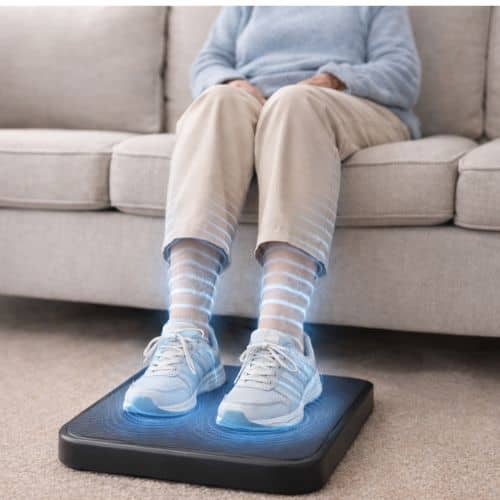
As with most supportive therapies, results appear to vary by individual. Factors such as consistency of use, overall metabolic health, movement habits, and inflammation levels likely influence outcomes. PEMF may not be a universal solution for osteoarthritis, but for some individuals, it appears to provide a supportive tool for managing symptoms and maintaining mobility.
Mechanisms vs Measurable Outcomes
Much of PEMF enthusiasm comes from proposed biological mechanisms rather than consistent clinical outcomes. Laboratory and integrative reviews describe how pulsed electromagnetic fields may influence:
- Cellular signaling
- Ion transport across membranes
- Nitric oxide pathways
- Tissue repair processes
While these mechanisms are biologically plausible and supported in experimental and laboratory settings, real-world outcomes can vary from person to person. That said, beyond controlled trials, there is a substantial volume of user-reported experiences describing improvements in pain levels, mobility, recovery time, and overall comfort when PEMF is used consistently.
Although testimonials are not a substitute for randomized controlled trials, the sheer number of consistent user experiences across different devices and settings makes the technology worthy of thoughtful consideration — especially when expectations are realistic and use is paired with supportive lifestyle habits.
If you’re interested in practical application rather than just theory, I’ve also broken down how attachments and targeted use can enhance sessions in my overview of the OlyLife Tera P90 Plus attachments, including how specific configurations are used for joint-focused support.
PEMF Therapy vs Other Healing Modalities
PEMF vs Supplements
Supplements work biochemically; PEMF works biophysically. They are not mutually exclusive, but PEMF does not replace nutritional foundations.
PEMF vs Red Light Therapy
Both aim to influence cellular function:
- Red light uses photobiomodulation
- PEMF uses electromagnetic signaling
Some people combine both, though evidence for synergy is limited.
one good example is the Tera P90 Plus which combines PEMF with Redlight therapy.

PEMF vs Medication
Medications are commonly prescribed to manage pain and inflammation, and in many cases they can be appropriate and necessary. However, some people — especially in recent years — have become more cautious about long‑term reliance on pharmaceuticals for chronic issues.

If you’re someone who prefers a more naturopathic or lifestyle‑centered approach like me, PEMF therapy may feel appealing because it is non‑invasive and does not introduce chemical compounds into the body. Rather than suppressing symptoms biochemically, PEMF is positioned as a supportive tool aimed at influencing physiological processes such as circulation and cellular signaling.
This doesn’t mean medication is inherently “bad,” nor does it mean PEMF replaces appropriate medical care. Instead, many people view PEMF as part of a broader strategy focused on improving metabolic health, reducing inflammation through lifestyle, and supporting the body’s own repair mechanisms. See my Metabolic health community
For those prioritizing natural interventions — such as nutrition, fasting, movement, sunlight exposure, and stress regulation — PEMF can fit into that framework as a complementary, at‑home modality rather than a pharmaceutical solution.
Is PEMF Therapy Safe?
PEMF therapy is generally considered safe when used appropriately.
Common Safety Considerations
- Avoid use with implanted electronic devices unless medically approved
- Use conservative settings when starting
- Follow manufacturer guidelines
Reported side effects are usually mild and transient, such as fatigue or temporary soreness.
Clinic-Based vs At-Home PEMF Devices
Clinical Systems
- Higher power
- Used under professional supervision
- Higher cost
At-Home Devices
- Lower intensity
- More affordable
- More convenient
- Designed for consistent, long-term use
Effectiveness depends more on consistency and proper use than raw power alone.
There is also a growing movement of individuals choosing to use PEMF therapy at home rather than relying solely on clinic-based sessions. Many are incorporating home devices into broader self-directed health routines focused on recovery, joint support, and metabolic resilience. If you’re exploring this shift toward at-home use, this guide to PEMF therapy breaks down how these systems work, what to expect, and how to use them responsibly.

📢 Shareable Insight
The real value of PEMF therapy isn’t in bold claims — it’s in consistent, realistic use alongside a lifestyle that supports recovery and metabolic health.
👉 Click to Tweet
My Personal Perspective on PEMF Therapy
PEMF therapy makes the most sense when viewed as a supportive tool, not a cure.
Used alongside nutrition, movement, sunlight, fasting, and stress management, it may provide incremental benefits — especially for recovery and pain management.
Expecting PEMF to undo years of metabolic or inflammatory damage on its own is unrealistic. BUT, over time… with a metabolic health reset (see below) you could see measurable improvement.

How PEMF Fits Into a Holistic Health Framework
True healing is cumulative.
PEMF may complement:
- Anti-inflammatory nutrition
- Metabolic health strategies
- Nervous system regulation
- Consistent lifestyle habits
It should never replace foundational health behaviors.
If your goal is long-term metabolic health, reduced inflammation, sustainable fat loss, and real lifestyle change — especially after 40 — technology alone won’t get you there. That’s exactly why I created the Metabolic Health: 51-Day Fat Loss After 40 Challenge community. It focuses on improving insulin sensitivity, supporting natural energy production, reducing systemic inflammation through nutrition and lifestyle, and building habits that actually last. PEMF can be a supportive tool, but true transformation comes from consistent metabolic strategy — and that’s what the 51-Day Challenge is built around.

Final Thoughts
PEMF therapy occupies an interesting middle ground between established medical technology and emerging wellness practice.
It is neither magic nor meaningless.
Approached with realistic expectations, evidence awareness, and integration into a broader health strategy, PEMF can be a reasonable tool — but not a standalone solution.
If this resonated with you — and you’re serious about improving metabolic health, reducing inflammation, and building sustainable fat loss after 40 — the next step doesn’t have to be complicated.
You can join the Metabolic Health: 51-Day Fat Loss After 40 Challenge and start implementing a structured, lifestyle-first approach immediately. And if you’d prefer something more personal, you’re welcome to reach out and have a direct conversation with me.
Whether that’s booking a call or messaging me to talk through your goals, sometimes clarity comes faster through real dialogue than through another article. If you’re ready to take action, reach out — let’s figure out the right next step for you.

Frequently Asked Questions
How often should PEMF therapy be used? Frequency varies by device and goal. Many protocols suggest twice daily, daily or near-daily use. Is PEMF really safe.
How long before results appear? Some users notice changes within days or weeks; others may not notice significant effects.
Can you combine PEMF and terahertz therapies? Yes, many people use both together as they target different aspects of the body. PEMF supports deeper cellular function, while terahertz focuses more on circulation and stimulation. When combined, they may provide a more complete approach to recovery and overall wellness. See PEMF vs Terahertz post
Will PEMF help with Inflammation? Some users notice changes within days here is a post about PEMF for Inflammation
Does PEMF therapy really work? For some applications, yes. For others, evidence remains mixed. I base my conclusion on the wave or testimonials flooding the space. Chronic Pain Management caught my eye.
Can PEMF therapy really work for pain relief? For many people, PEMF therapy can support pain relief in conditions linked to inflammation, poor circulation, or slow tissue recovery. While results vary, many users report improvements when PEMF therapy is used as part of a broader recovery routine.
Can PEMF therapy be combined with other frequency therapies? Yes, PEMF therapy can be safely combined with other frequency-based treatments, and in many cases, this creates a more effective overall approach.
BUT
Each therapy works in a slightly different way:
- PEMF therapy supports cellular function, circulation, and long-term healing
- Terahertz therapy works at a deeper energetic level to support full-body balance
- Red light therapy helps reduce inflammation and support tissue repair
- TENS therapy provides fast, targeted pain relief by blocking pain signals
- EMS therapy stimulates muscle contractions to support activation, strength, and rehabilitation
Because these therapies target different aspects of the body, they can complement each other rather than overlap.
For example, you might use PEMF therapy as your foundation for recovery and healing, while using TENS therapy during flare-ups for immediate pain relief, and red light therapy to support inflammation and tissue repair.
This combined approach allows you to address both short-term symptoms and long-term recovery, creating a more complete strategy for pain management and overall wellness.


NASA has been using PEMF since 1979 when I discovered this it blew me away. So many benefits without drugs or chemicals great read.
Drug free pain relief is a major draw card for sure.