
The ONE Thing You’re Missing for Real Meal Plan Results

Unlocking Real Meal Plan Success
Think your meal plan has all the right foods? You might still be missing a key element that turns “good enough” into game-changing results. This overlooked strategy could be the bridge between your effort and the transformation you’ve been chasing.
Introduction
If you’ve been following along, you’ll remember in Part 1 we uncovered the real villain in weight gain — it’s not sugar, it’s insulin (This ONE Thing Stores More Fat Than Sugar Ever Could). Then in Part 2, we dug into how to control insulin with the right diet (Stop Feeding the Hormone That Keeps You Fat), focusing on nutrient balance, smart carb choices, and stabilizing your blood sugar. But here’s the thing… even when you nail your diet, you can still find yourself stuck. There’s a missing piece most people skip, and it can be the difference between slow, frustrating progress and the kind of transformation that makes you feel unstoppable. This one simple shift could accelerate fat loss, boost your energy, and break those stubborn plateaus.
Why Diet Alone Sometimes Isn’t Enough
We’ve been told for decades that the key to fat loss is eating the “right” foods. And while a balanced, insulin-friendly diet can work wonders, sometimes the results slow down or stop entirely. Why? Because your body is smart. It adapts to whatever you do consistently. Eat at the same times every day — even healthy foods — and your body learns to expect it.
This is where metabolic flexibility comes in — your body’s ability to switch between burning glucose and burning fat. Many of us rarely give our body the opportunity to make that switch. Learning how to lose weight without counting calories can be a huge mindset shift here.
📢 Shareable Insight
“Eating right isn’t enough if your body never gets a chance to adapt.”
👉 Click to Tweet
The Science Behind the Missing Piece
When you go for extended periods without eating, insulin levels drop further than they ever could between frequent meals. This signals your body to unlock stored fat and use it for energy. It’s not about eating less overall — it’s about creating intentional windows where your body rests from digesting and switches into fat-burning mode.
This improves insulin sensitivity, increases fat mobilization, and enhances repair processes. See my Fasting for Fat Loss: Beginner’s Guide with Real Results for a deeper dive.
Practical Ways to Incorporate It
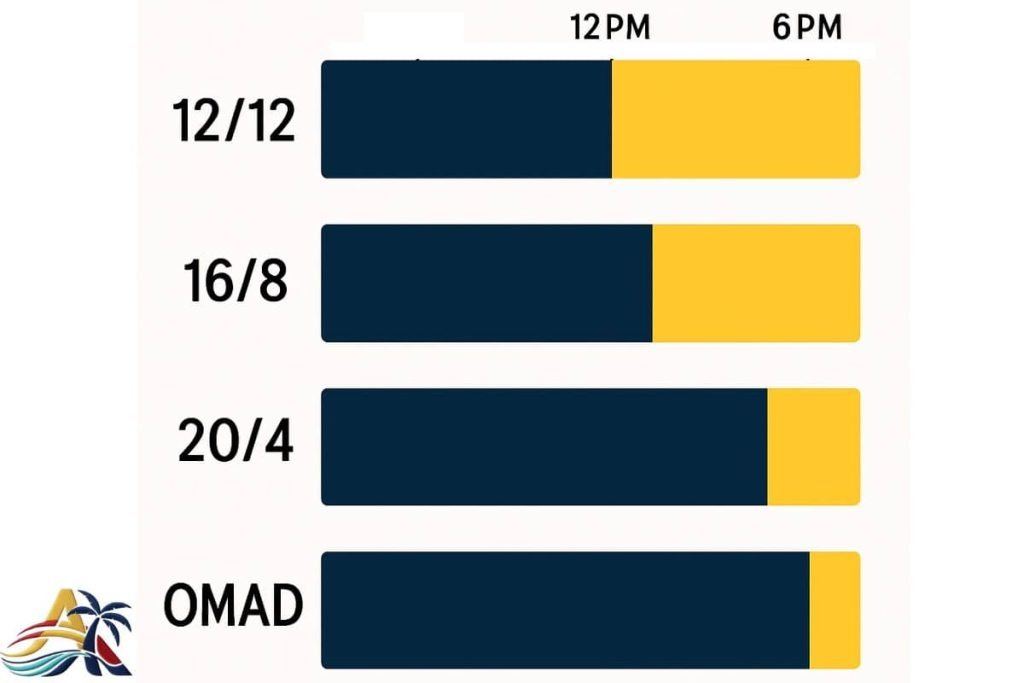
Popular methods include:
- 16/8: Fast for 16 hours, eat within an 8-hour window.
- 18/6: Fast for 18 hours, eat within 6.
- 20/4: Fast for 20 hours, eat within a 4-hour window (my personal go-to).
- OMAD: One meal a day (How to Start OMAD).
- OMEOD: One meal every other day.
Pair these with a low carb, ketogenic, or carnivore diet for best results.
Real-World Examples
Mark – The Busy Dad
Mark had been stuck at the same weight for years despite training regularly. His evenings were spent helping the kids with homework, and he often grabbed quick snacks late at night without thinking. By adopting an 18/6 fasting schedule and pairing it with a low-carb diet, Mark finally broke through his plateau. Within 10 weeks, he dropped 8kg. More importantly, he found himself waking up with more energy and could keep up with his kids during weekend bike rides without feeling wiped out.
Sarah – The Desk Worker
Sarah’s 9-to-5 job left her glued to a chair and running on caffeine and sugary snacks. Every afternoon, she hit a slump that had her craving chocolate or soda. She decided to try OMAD four days a week, keeping her meals nutrient-dense and pairing them with a ketogenic approach. After just a few days, she noticed the cravings disappearing. Over four months, she lost 12kg, and her once-constant brain fog lifted. Sarah now uses her lunch break to take a walk instead of eating at her desk.
James – The Weekend Warrior
James was fit on paper — gym three times a week, regular hikes — but stubborn belly fat refused to budge. He decided to go all in with EOD/OMAD, combining it with a carnivore-style diet. At first, the adjustment was tough, but by the end of the week he noticed his hunger was far less intense. By the end of three months, James had visible abs for the first time since his early twenties, and his weekend hikes felt easier without carrying the extra weight.
Linda – The Pre-Diabetic
Linda was facing a scary reality: her doctor warned she was just one blood test away from type 2 diabetes. She started with a 16/8 fasting schedule, slowly working toward a 20/4 routine while cleaning up her meals. Six months later, her bloodwork showed she’d reversed her pre-diabetic markers (Type 2 Diabetes Reversal). She also dropped 10kg, started sleeping better, and felt more in control of her health than she had in years.
Paul – The Frequent Traveller
Paul’s job had him on the road constantly, eating airport food and grabbing whatever was quick between meetings. His weight crept up, and so did his blood pressure. By committing to a 16/8 fasting schedule and packing travel-friendly keto snacks, Paul avoided most unhealthy temptations. Six months later, he’d lost 9kg, his blood pressure returned to normal, and he could run to catch a flight without gasping for breath.
Emma – The Overwhelmed Mum
Emma juggled two young kids, part-time work, and managing the household. Meals were often rushed or skipped, only to be replaced with late-night snacking. She started a gradual approach — first a 14/10 fast, then 16/8 — focusing on protein-rich meals. Within four months, she’d shed 7kg, felt calmer, and no longer experienced the afternoon energy crashes that once left her struggling to stay awake.

Potential Pitfalls and How to Avoid Them
While fasting can be incredibly effective, there are common mistakes that can slow your progress or make the experience harder than it needs to be. Here’s what to watch for:
1. Not Fixing Your Diet First
Jumping straight into fasting while still eating a high-sugar, calorie counting or processed-carb diet can be miserable. You’ll be battling constant cravings, mood swings, and energy crashes. It’s far better to start with a low carb, ketogenic, or carnivore diet first to stabilise your blood sugar. Once your body is fat-adapted, fasting becomes much easier.
2. Going Too Long, Too Soon
If you’ve been eating three to six meals a day for years, suddenly trying a 24-hour fast is a recipe for frustration. Start with shorter fasting windows (like 12/12 or 14/10), then progress to 16/8 and beyond. This gradual approach allows your body and mind to adapt.
3. Breaking Your Fast with the Wrong Foods
After a fast, your body is primed to absorb nutrients. Ending your fast with processed carbs or sugar can cause a blood sugar spike, undoing some of the benefits. Instead, break your fast with protein, healthy fats, and nutrient-dense vegetables.
4. Poor Food Choices Overall
Fasting isn’t a free pass to eat junk during your eating window. The quality of your food still matters for fat loss, metabolic health, and overall well-being.
5. Social Challenges
Family dinners, birthdays, and social events can make fasting tricky. Plan ahead by adjusting your fasting window on those days or focusing on protein-rich, low-carb foods during the event.
6. Ignoring Hydration and Electrolytes
It’s easy to forget that during a fast, you still need fluids and electrolytes. Adding a homemade electrolyte drink can prevent headaches, fatigue, and muscle cramps.
7. Not Listening to Your Body
Fasting is a tool, not a punishment. If you feel lightheaded, weak, or unwell, it’s okay to break your fast early. Over time, you’ll learn the difference between a normal hunger wave and true physical distress.
📢 Shareable Insight
“Fasting isn’t deprivation. It’s the missing amplifier your meal plan needs.”
👉 Click to Tweet
Wrap-Up & Next Steps
Your diet plays the starring role in controlling insulin spikes, but fasting is the amplifier that extends those low-insulin periods — creating the perfect environment for fat burning, improved energy, and metabolic reset. The key isn’t perfection; it’s starting small, staying consistent, and letting your results compound over time. Every low-insulin window you create is another opportunity for your body to tap into stored fat and repair itself.
But this is only part of the bigger picture. In Part 4, we’ll reveal a powerful process your body already knows how to do — a process that can transform your health from the inside out — yet most people never fully unlock it. It’s the hidden advantage that ties everything in this series together, and once you understand it, you’ll see why we’ve been building toward this moment from the very beginning.
Our Community – 51-Day Challenge
If you’re ready to stop guessing and start transforming, the 51-Day Challenge is where it all comes together. This isn’t just another diet plan — it’s a complete, step-by-step system to help you:
- Implement fasting in a way that fits your lifestyle
- Optimize your diet for maximum fat loss and energy
- Avoid the pitfalls that derail most people
- Build habits that keep the weight off for good
You’ll get live coaching, a supportive community, and proven strategies to help you succeed — even if you’ve struggled before. Imagine where you could be 51 days from now: lighter, stronger, sharper, and in control of your health.
Don’t wait for “someday” — make the decision now to take control of your body and your future.
👉 Join the 51-Day Challenge today: https://andrewtwelftree.com/51-day-challenge/


