
Ghost Commerce Explained: Steps to Profitable Low-Risk Business
Discover Ghost Commerce: The Risk-Free Digital Business Model Currently Sweeping the Globe.
Ghost Commerce Explained: What if you could build a real online business—without products, inventory, or tech headaches? Ghost commerce is the freedom-first model you’ve never heard of, but it’s changing lives around the world. In this post, you’ll get ghost commerce explained clearly, step by step, so you can launch your own low-risk, high-reward business from anywhere.
How Ghost Commerce Could Be YOUR Freedom-Creating Digital Business
In today’s fast-changing digital world, ghost commerce is proving to be a game-changer. It allows anyone to sell products, services, training or tools online—without the hassles of managing stock, shipping items, or even running a physical storefront.
Instead of traditional e-commerce headaches, you leverage existing platforms and third-party providers. They handle the logistics. You focus on marketing, branding, and building your audience.
For modern entrepreneurs who value time, freedom, and flexibility, this model is more than just appealing—it’s a movement.
The Future of Ghost Commerce
Ghost commerce is not just a trend. It’s a powerful shift in how business is done online. And it’s only gaining momentum.
Here’s why:
- First, automation tools and AI are making it easier than ever to run online businesses with minimal effort.
- Next, consumer habits are evolving. People increasingly buy from niche creators and personalized brands—exactly what ghost commerce enables.
- Finally, global digital platforms are removing barriers. Now, you can sell to anyone, anywhere, without worrying about shipping or customs.
To thrive in this new landscape, entrepreneurs must stay adaptable. Embracing new tools and digital strategies isn’t optional—it’s essential.
What is Ghost Commerce?
At its core, ghost commerce is an online business model where you sell things… without owning anything physical.
You don’t manage inventory.
No shipping products.
You don’t even handle payments or customer support.
Instead, you team up with third-party suppliers. They take care of all the back-end work. You take care of the brand, the message, and the marketing.
This model cuts costs, reduces stress, and unlocks the ability to build something scalable—fast.
My Journey with Ghost Commerce
It’s been over 15 years since I made the decision to walk away from my engineering job.
Back then, it felt bold. Risky. Maybe even reckless to some. But deep down, I knew I wanted more—more freedom, more time, and more control over how I lived and worked.
Since then? It’s been a wild ride. I’ve experienced the highs of momentum and growth… the plateaus where nothing seemed to move… and the lows that tested everything I believed. I’ve built thriving teams, only to watch them crumble—not because the mission failed, but because the companies behind them made poor decisions that dragged everything down. That’s happened not once, not twice, but three times.
I don’t regret those experiences. They taught me everything. But I do wish I had started building something of my own, my personal brand, much earlier.
For years, I dabbled with this blog—half-committed, occasionally posting, never truly showing up. I didn’t fully understand the power of creating content under my own name… on a platform I owned.
So What would I do different?

Looking back now, that was a missed opportunity. Ghost commerce has made one thing crystal clear to me: the most valuable thing you can build online is something that belongs to you.
A website.
An email list.
A brand.
A voice.
If I could rewind the clock, I’d document everything—every lesson, every failure, every breakthrough. I’d post daily. I’d build that email list like it was gold. Because once it’s built?
It works for you.
Grows with you.
AND becomes your leverage.
No more chasing companies.
Rebuilding when platforms change.
No more losing sleep over decisions you didn’t make.
That’s the real beauty of ghost commerce. You’re building digital assets that can grow long-term—without having to manage products or reinvent the wheel.
So, if you’re sitting on the fence wondering when to start…
The best time is always now.
Every single time.
And the sooner you begin, the sooner you start owning your future.
📢 Shareable Insight
“Learn from your mistakes – Rise like a Phoenix.”
👉 Click to Tweet
👉 Want to learn what made everything click for me?
Check out this free training: Ghost Commerce Explained
🧠 Common Myths About Ghost Commerce
Many people never start their online business journey—not because they lack potential, but because they believe things that simply aren’t true.
These myths are dream-killers. So let’s break them down one by one and set the record straight.
❌ Myth 1: You need a ton of startup capital
✅ Reality:
Ghost commerce is one of the most affordable ways to start a business. You don’t need inventory, a physical storefront, or staff. Many successful ghost commerce entrepreneurs launched with just a few hundred dollars—or less. The real cost? Time, consistency, and a willingness to learn.
❌ Myth 2: You have to ship products yourself
✅ Reality:
No boxes. No post office runs. No storage. Whether you’re dropshipping or selling digital products, your supplier or platform handles fulfillment. You stay focused on branding, marketing, and growing your audience—without ever touching a product.
❌ Myth 3: You’ll have to deal with money issues and customer service headaches
✅ Reality:
One of the most liberating aspects of ghost commerce is that payment processing, refunds, and support can be handled entirely by third-party platforms. Depending on your setup, you may never need to reply to a customer email. This is how you scale without burnout.
❌ Myth 4: It’s just a temporary trend
✅ Reality:
Ghost commerce is not a flash in the pan. It’s aligned with the future of buying behavior—personalized, convenient, fast. As more people turn to niche creators and decentralized marketplaces, this model only becomes more relevant.
❌ Myth 5: You need to be super tech-savvy
✅ Reality:
If you can write a Facebook post, upload a photo, or follow a YouTube tutorial—you can do this. Ghost commerce platforms are built for beginners. You don’t need to code, and most of what you need can be automated or outsourced with a few clicks.
❌ Myth 6: You need a huge social media following to make sales
✅ Reality:
You can start from zero. Many ghost commerce strategies rely on SEO, paid ads, or email marketing instead of social media. Others build faceless brands through YouTube automation, Pinterest, or blogging. You don’t need to be famous—you need to be focused.
❌ Myth 7: The market is saturated—it’s too late to start
✅ Reality:
The internet isn’t crowded—it’s expanding. Every day, new niches, tools, and customer segments emerge. The key is to bring your voice, your angle, and your value. People don’t want perfect—they want real, relatable solutions.
❌ Myth 8: You have to create your own products
✅ Reality:
You can start ghost commerce by selling other people’s products—via affiliate links, dropshipping, or white-labeling. You only create your own digital product when and if you’re ready. And even then, you can outsource it.
❌ Myth 9: You need to quit your job to make this work
✅ Reality:
This is the perfect side hustle. Ghost commerce is low-stress and can be built in the margins—before work, after dinner, or on weekends. Many people build it in the background until it replaces their job income.
❌ Myth 10: It’s passive income from day one
✅ Reality:
Let’s be honest—nothing is passive at the beginning. You’ll need to create content, build systems, test tools. But once it’s running, you can automate and scale. That’s when it becomes passive income with momentum.
❌ Myth 11: You have to be confident on camera or a great writer
✅ Reality:
Nope. There are entire ghost commerce businesses built around faceless videos, anonymous blogs, or curated content. Don’t want to write? Use AI. Don’t want to talk on video? Use screen recordings, voiceovers, or avatars. The format is flexible—your value is what matters.
🔓 Final Thought
Ghost commerce works because it’s simple. It’s not a silver bullet—but it is a smarter path. When you ditch the myths, you see the opportunity clearly. And once you start, momentum builds fast.
Why Ghost Commerce Will Experience Worldwide Growth
Ghost commerce isn’t just trending—it’s going global. Here’s why it’s spreading fast:
1. Digital Transformation
Technology is evolving rapidly. The increasing digitization of commerce makes it easier than ever to start and scale an online business. With AI, automation, and plug-and-play platforms, the playing field has been leveled. Even solo entrepreneurs can now operate like big businesses.
2. The Entrepreneurial Shift
More people are walking away from the 9–5, searching for income streams that offer freedom, flexibility, and fulfillment. Ghost commerce is attractive because it’s low-cost, scalable, and doesn’t require managing physical products.
3. Global Connectivity
Thanks to improved internet access and mobile usage worldwide, digital entrepreneurs can reach customers across borders without setting foot outside their homes. With the right offer and strategy, anyone can tap into international markets.
Together, these trends create the perfect conditions for ghost commerce to explode across the globe.
📢 Shareable Insight
“Ghost Commerce lets you skip the product creation and focus on pure profit strategy.”
👉 Click to Tweet
🧭 The Different Types of Ghost Commerce
Ghost commerce isn’t a one-size-fits-all model. In fact, it comes in many flexible forms—each with unique advantages depending on your strengths, niche, and preferred level of involvement.
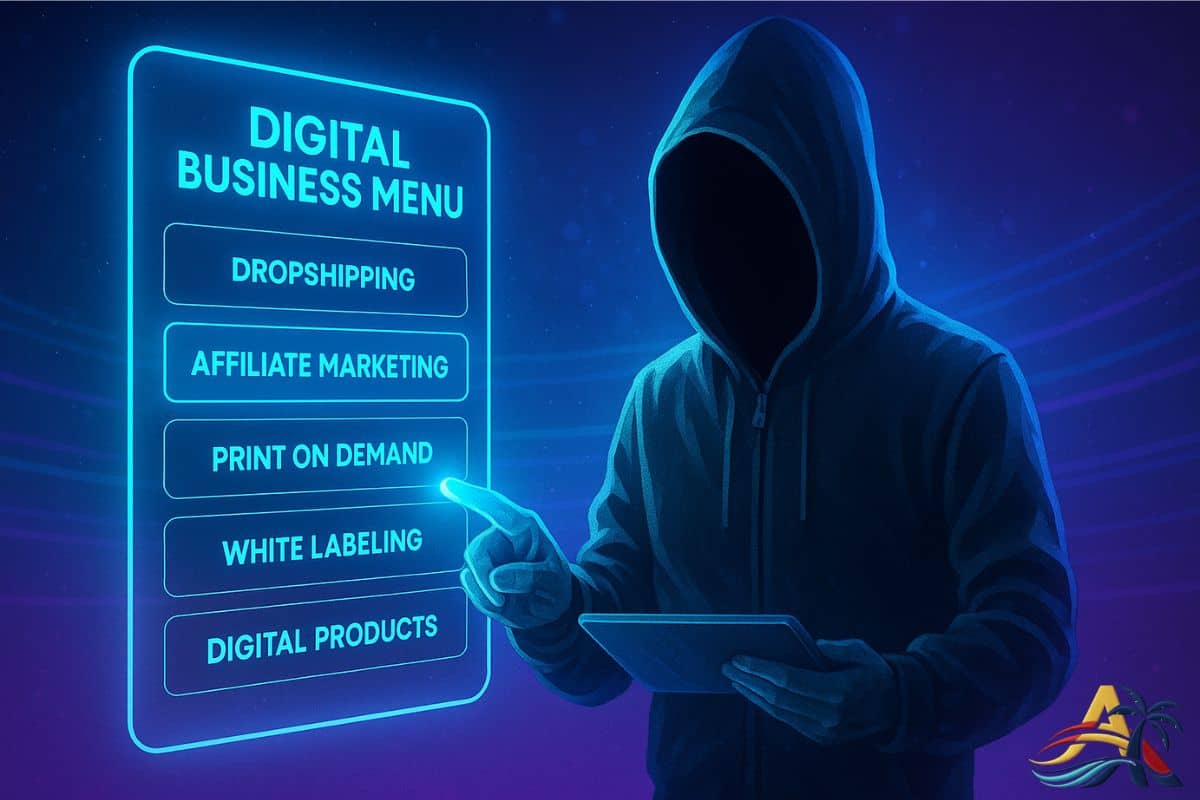
🔁 Dropshipping
You create an online storefront and list products that are fulfilled by third-party suppliers. You don’t handle inventory, packaging, or shipping—your job is marketing and customer experience.
Examples:
- Home Decor Store: A Shopify entrepreneur curates trending minimalist home decor from suppliers and markets it through Instagram Reels and TikTok.
- Gadget Website: A niche tech site lists innovative gadgets from AliExpress via Oberlo. When a visitor orders, the supplier ships directly to the customer.
- Pet Supplies Shop: A pet enthusiast builds a WooCommerce site selling eco-friendly pet toys sourced from a dropshipping warehouse. She builds trust through blog content and reviews.
🔗 Affiliate Marketing
You promote other companies’ products or services using custom referral links. You earn a commission every time someone buys through your link.
Examples:
- Blog Review Site: A blogger reviews kitchen appliances and links to Amazon listings. Each purchase earns them a small percentage.
- YouTube Gear Rundown: A content creator posts a video on “Top 10 Remote Work Tools” and links to all items using affiliate codes.
- Email Newsletter: An email marketer sends a weekly “Friday Favorites” newsletter, recommending books and tools through affiliate links from ShareASale and ClickBank.
🖼️ Print on Demand (POD)
You design custom graphics for products like shirts, mugs, or posters. When someone places an order, a third-party prints and ships the item.
Examples:
- Niche Merch Store: A dog lover designs witty breed-specific t-shirts and sells them on a POD platform like Printful.
- Quote Art Prints: A blogger creates motivational quote graphics and sells framed prints via Gelato POD integration on Etsy.
- Seasonal Holiday Gear: A creative entrepreneur launches limited-edition Halloween and Christmas merchandise each year—without ever touching a product.
🧴 White Labeling
You purchase generic, pre-made products and rebrand them with your logo and packaging. You control the branding, but not the manufacturing.
Examples:
- Skincare Brand: An entrepreneur buys all-natural face creams from a supplier, rebrands them with luxury packaging, and sells via her Shopify store.
- Supplement Business: A fitness coach white-labels a line of protein powders and promotes them to his Instagram audience and private membership.
- Essential Oils Line: A wellness blogger launches a branded collection of aromatherapy oils, working with a supplier that offers private labeling.
🧠 Digital Products & Subscriptions
You create and sell non-physical products that can be instantly delivered or accessed—like courses, templates, or memberships.
Examples:
Paid Newsletter: A writer offers premium health and mindset tips through a $9/month Substack subscription.
Online Course: A marketer builds a course on “How to Launch a Ghost Commerce Business” and sells access through Kajabi with monthly billing.
👉 View the training here
Template Shop: A productivity coach sells Notion templates and digital planners via Gumroad and links to them in content.
Example:
“An educator creates an online course on how to do Ghost Commerce and sells monthly access via their website.”
👉 Explore the course here
These options let you pick a model that fits your skills and lifestyle while keeping costs low and profit potential high.
Benefits of Ghost Commerce
So, what makes this model so powerful?
- ✅ Low Startup Costs: No inventory or warehousing needed.
- 🌱 Flexibility & Scalability: Adjust your offers and grow without big infrastructure.
- 📉 Reduced Financial Risk: You don’t buy product until it’s already sold.
- 📢 Focus on Marketing & Branding: Spend your time where it matters—building your brand.
- 🌍 Location Freedom: Run your business from anywhere in the world.
- 💰 Diverse Income Streams: Stack different revenue sources—affiliate, POD, digital products, and more.
- ⚙️ Automation: Set up workflows and tools to handle fulfillment, emails, and even customer support.
Put simply, ghost commerce lets you work smarter, not harder.
These benefits make ghost commerce an attractive option for aspiring online business owners. Follow this Training to Get Started Today
Embarking on a ghost commerce venture involves a series of strategic steps to ensure a successful and sustainable business. Below is a comprehensive guide to help you navigate the process:
📢 Shareable Insight
“The smartest marketers don’t start with products—they start with systems.”
👉 Click to Tweet
🚀 How to Launch Your Ghost Commerce Business (Step-by-Step)
Building a ghost commerce business might sound mysterious, but it’s actually simple when you follow the right steps. Here’s how to launch your business from scratch—step by step.
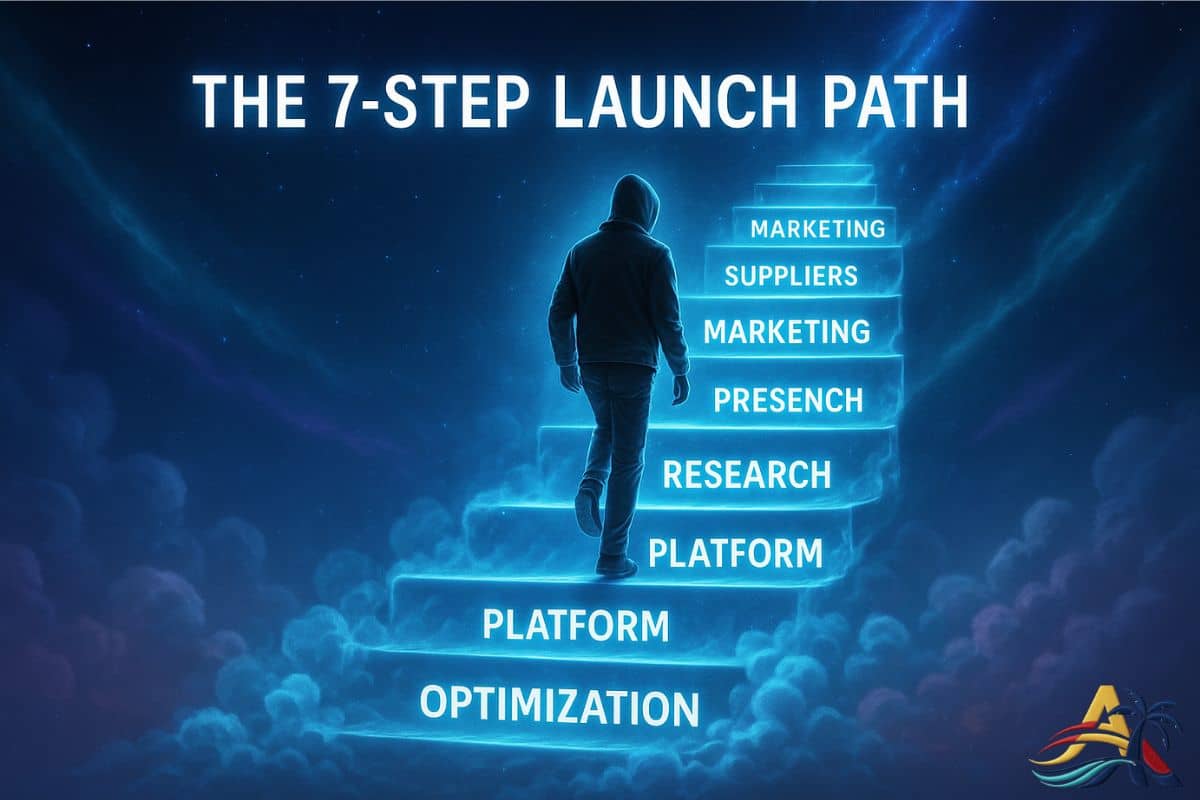
1. Identify a Profitable Niche
Start with what you already know or love—but don’t stop there. Make sure there’s demand and buyer intent.
✅ Examples:
- Fitness for Busy Moms – Combines a passionate audience with tons of product and info opportunities.
- Minimalist Tech Gadgets – Great for affiliate marketing or dropshipping compact gear.
- Sustainable Pet Products – People love their pets and are spending more on eco-friendly items.
🔍 Tools to Validate:
- Google Trends
- Ubersuggest / Ahrefs for keyword research
- Reddit, Quora, and niche forums
2. Conduct Market Research
This is where you dig deeper into your audience’s pain points and buying behavior.
✅ Examples:
- Amazon Reviews: Find what people love—or hate—about existing products in your niche.
- Facebook Groups: Join niche communities and see what questions keep coming up.
- Competitor Funnels: Use tools like SimilarWeb or watch competitor ads on Meta Ad Library to study how they sell.
🎯 Your goal? Find the gap between what’s out there and what your ideal customer still needs.
3. Choose the Right Platform
Pick a platform that aligns with your business model, skills, and desired audience experience.
✅ Examples:
- Blog (WordPress + SEO plugins): Great for educational content and building a long-term brand.
- YouTube + Rumble: Use free organic reach to promote affiliate links or digital products.
- Shopify + Printful: Ideal combo for POD apparel or accessories.
- Gumroad or Systeme.io: Sell digital downloads or run a subscription course.
- ClickBank or Digistore24: Launch with proven affiliate offers if you’re just getting started.
Tip: Don’t let tech scare you. Use drag-and-drop builders or templates to launch fast.
4. Build Your Online Presence
Your online presence = your storefront, your resume, and your salesperson all rolled into one.
✅ Key Elements:
- Fast, Mobile-Friendly Site: People bounce if it’s slow or hard to read on a phone.
- Lead Magnet: Offer a freebie (guide, checklist, etc.) in exchange for an email.
- Content That Converts: Use blog posts, YouTube videos, and carousels to show value.
- Clear Navigation + CTAs: Don’t make people guess what to do—tell them.
🧠 Pro tip: Use tools like ConvertKit or MailerLite to capture leads and follow up automatically.
5. Partner with Reliable Suppliers
Your backend must be solid—especially when you’re not the one shipping or producing the goods.
✅ Examples:
- Dropshipping: Use AutoDS, Zendrop, or CJdropshipping to automate fulfillment.
- Print on Demand: Test product quality from Printify, Printful, or Gelato.
- White Labeling: Vet manufacturers on Alibaba or GreenDropShip and test samples.
- Affiliate Products: Only promote offers from vendors with fast delivery and responsive support.
📦 Always test your funnel before launching ads—bad fulfillment = bad reviews.
6. Launch a Marketing Strategy
This is where traffic meets conversion. Pick 2–3 channels and go deep before trying everything.
✅ Examples:
- Content Marketing: Write “Top 10” blog posts or product tutorials.
- Social Media Marketing: Use short-form reels or carousel posts on Instagram and TikTok.
- Email Marketing: Start a freebie-to-sale sequence using your lead magnet.
- Paid Ads: Test Meta or YouTube ads with a low budget. (Only after organic is dialed in.)
🛠 Tools: Use Canva for visuals, Buffer for scheduling, and ConvertKit or Systeme.io for email.
7. Monitor and Improve
Growth comes from testing, tracking, and tweaking. Don’t guess—let data guide you.
✅ Metrics to Watch:
- Traffic Sources: Use Google Analytics and Search Console to see where people come from.
- Conversion Rates: Optimize landing pages and sales pages using tools like Hotjar or Crazy Egg.
- Email Opens + Clicks: Tweak your subject lines and calls-to-action.
- A/B Testing: Try different thumbnails, hooks, or headlines and keep the winners.
📈 Bonus Tip: Keep a “Marketing Journal” to track what works (and what flops).
Always be optimizing.
Why Ghost Commerce is Your Best Choice
Ghost commerce offers distinct advantages over traditional e-commerce models:
- Lower Overheads: By eliminating the need for physical inventory and storefronts, operational costs are significantly reduced.
- Flexibility: Operate your business from anywhere with an internet connection, providing unparalleled work-life balance.
- Scalability: Easily expand your product offerings and enter new markets without substantial additional investment.
- Automation: Implementing automation tools streamlines operations such as order fulfillment, inventory management, and customer service. This not only reduces human error but also frees up time to focus on strategic growth activities, enhancing scalability.
- Location Freedom: Manage your business from any location worldwide, offering the flexibility to work remotely and tailor your work environment to your preferences.
- Diverse Income Streams: Integrate various revenue models such as affiliate marketing, digital products, and print-on-demand services to create multiple income streams, reducing reliance on a single source and enhancing financial stability.
These features make ghost commerce a compelling choice for entrepreneurs seeking a modern, efficient approach to online business.
Success stories abound, illustrating the potential of ghost commerce:
- Affiliate Marketing: Bloggers and influencers earn substantial incomes by promoting products through affiliate links, leveraging their online presence to drive sales without handling products directly.
- Print on Demand: Artists and designers monetize their creativity by selling custom merchandise, with third-party services handling production and fulfillment.
These examples demonstrate the viability and profitability of ghost commerce when executed effectively.
Conclusion
Ghost commerce represents a paradigm shift in the way we approach online business, offering a low-risk, high-reward model that emphasizes flexibility and scalability. By carefully selecting a niche, conducting thorough market research, building a strong online presence, and implementing effective marketing strategies, you can establish a successful ghost commerce business. Embrace this innovative model to unlock new opportunities in the digital marketplace Today.
🚀 Ready to Launch Your Ghost Commerce Business?
Get instant access to the training that explains everything—and for a limited time, you’ll also unlock a free 1-on-1 consultation to help you map out your first steps.
⚠️ Spots are limited each week to ensure every session is personal and actionable. If you see this offer available now, don’t wait.
No fluff. No pitch. Just strategy and clarity.
👉 Start Here to claim your spot and book your private session after joining.


A great article with lots of valuable information! The website
is well-organized and easy to navigate.