
Can Chocolate Trigger Psoriasis? One Treat – My Painful Lesson…
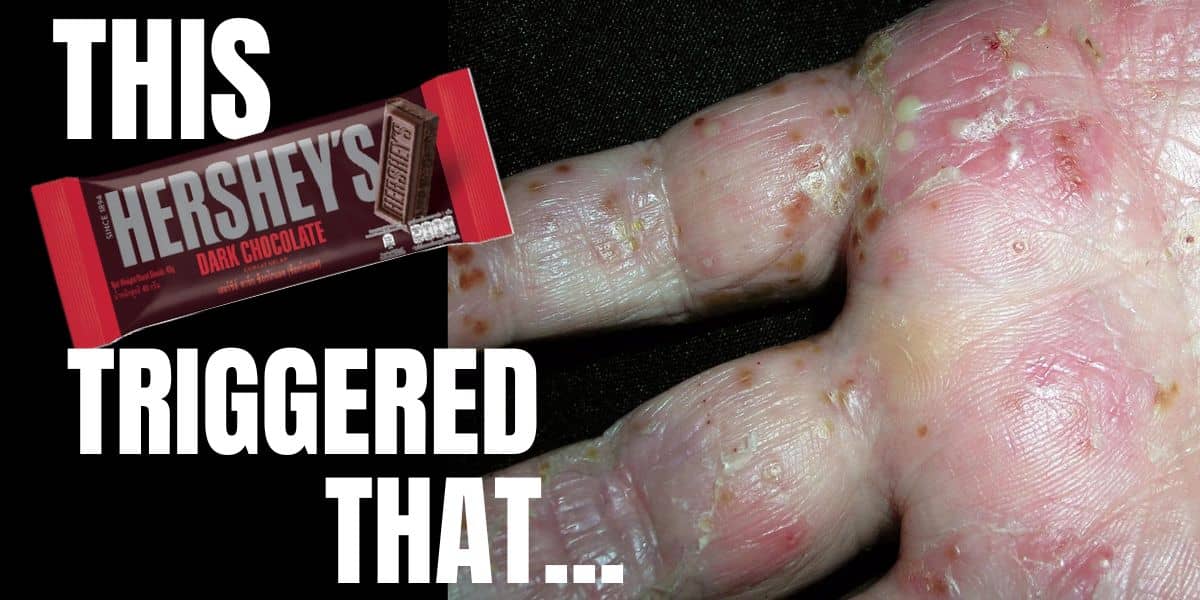
How One Small Treat Turned Into a Two-Week Psoriasis Nightmare
I never expected a single 40-gram dark chocolate bar to turn my life upside down. I wasn’t bingeing. Nor was I “cheating.” I’d been eating clean for weeks—strict carnivore, no junk food, no seed oils, no sugar, no carbs. Everything was dialed in. Then one ordinary moment, one innocent treat, answered a question I never thought to ask: can chocolate trigger psoriasis?
Within a day, the painful truth hit me. Hard. My hands, my feet, my heels, even between my toes—ignited in a full-blown outbreak of plantar pustular psoriasis. The itching, the burning, the sleepless nights… all from one tiny deviation from a perfectly clean diet. It felt impossible. It felt unfair. And yet it happened. It made me ask again: can chocolate trigger psoriasis in such a dramatic way?
As I dug deeper, I discovered something far more unsettling: it wasn’t “just chocolate.” It was what’s inside most mass-produced chocolate bars—the additives, the emulsifiers, the seed oils, the processing methods. The things Big Food never puts on the front of the label. And while my story is personal, the warning applies to anyone with psoriasis, inflammation issues, or sensitive immune systems.
The Treat That Changed Everything
I was on a roll. Carnivore diet, clean discipline, zero cheating. My skin was clear. My energy was stable. AND My digestion was smooth. Psoriasis? Long gone. The horrible flare-ups I once battled in my 40’s were nothing but a bad memory.
Then came that day.
That moment.
That one small treat.
A 40-gram dark chocolate bar—not Hershey’s entire product line, not an entire binge session, not a month of bad eating. Just one bar. Something I’d normally consider harmless.
I ate it without thinking twice.
And for the next 24 hours, my body plotted its revenge.
At first, it was a subtle itch.
Then a burn.
Then the familiar bubbling under the skin.
AND the unmistakable appearance of pustules in the places I dreaded most: palms, fingers, heels, soles, foot arch and between my toes.
It escalated fast. Violently fast.
And my clean diet was suddenly undone—by one treat. It left me questioning: can chocolate trigger psoriasis this severely?
My History With Psoriasis (And Why This Flare Shocked Me)
To understand why this reaction rattled me so deeply, you need to know where I came from.
For five years, I battled plantar pustular psoriasis—one of the most painful, miserable skin conditions you can imagine. My hands and feet were covered. The itching was maddening. The burning felt like fire under my skin. The cracked fingertips made even holding a cup difficult. And the sleep deprivation made everything worse.
Back then, I was on the standard Western diet—chips, processed foods, seed oils, additives, junk. I didn’t know that what I was eating was keeping the condition alive.
Over time, I started noticing patterns:
- A bag of potato chips could trigger a flare in hours.
- Certain oils made it worse.
- Stress amplified everything.
- Sugar made breakouts far more aggressive.
I slowly discovered that food was the spark, and my immune system was the gasoline.
When I cleaned up my diet—ditch the carbs, ditch the oils, ditch the processed snacks—the psoriasis slowly faded. The outbreaks stopped. My skin fully cleared. And for months, if not years, I barely thought about psoriasis at all.
So when this flare hit—after a long period of clean living—it completely blindsided me.
Nothing changed.
Except one thing:
that chocolate bar.
The Flare-Up From One Treat: What Really Happened
This was no mild flare.
No “small patch.”
No “little red spot.”
This was a full system revolt.
Both hands and feet erupted with pustules. The skin tightened, burned, and itched like crazy. Even the areas between my toes—places that hadn’t flared in ages—were inflamed. Sleep became a joke. Two weeks passed before the outbreak finally stopped producing new pustules.
And then came phase two:
The peeling.
Slow, relentless shedding.
Layer after layer, like a snake shedding regret.
My hands looked raw. My feet were tender. Every step reminded me of what one treat had cost me.
It was awful.
And I share this not for sympathy, but as a warning—because I never imagined a single “innocent” treat could undo months of progress.
Yet here we are.
📢 Shareable Insight
“When your skin is an inflammation battlefield, every sugar‑spike from sweets sends more soldiers to the fight.”
👉 Click to Tweet
So… Can Chocolate Trigger Psoriasis? Here’s What I Found Out
Short answer: Yes. For me, unquestionably, yes.
Long answer: It’s not simply “chocolate.” It’s what’s inside the chocolate.
When I started digging, something became clear:
Many people with psoriasis report flare-ups after chocolate, but for different reasons:
- Some react to sugar.
- Some react to seed oils.
- Some react to emulsifiers.
- Some react to dairy.
- Some react to cocoa itself (rare, but real).
But the most common theme?
Ultra-processed chocolate is a cocktail of inflammatory triggers.
And it’s not about demonizing one brand. Many big chocolate manufacturers use the same methods and ingredients.
So let’s break down what’s actually inside those bars—and why your skin might hate them.
What’s Really Inside Store-Bought Chocolate
This was the part that shocked me most.
Because when you think “dark chocolate,” you picture something pure, simple, almost healthy. Big Food companies even market it that way.
But flip the label, and a different story appears. For anyone wondering can chocolate trigger psoriasis, these hidden ingredients offer clues.
Ultra-Processed Additives
Most commercial chocolate contains emulsifiers, especially:
- Soy lecithin
- PGPR (polyglycerol polyricinoleate)
These aren’t there for your health. They’re there to keep costs down, stretch cocoa, and create a smooth texture.
But emulsifiers are known to:
- Disrupt the gut lining
- Increase intestinal permeability
- Alter the gut microbiome
- Trigger systemic inflammation
Which is a perfect recipe for… psoriasis.
Hidden Seed Oils
You won’t always see “vegetable oil” or “seed oil” listed plainly, but they show up in:
- Flavor enhancers
- Fillings
- “Natural flavors”
- Certain chocolate coatings
Even small amounts can trigger inflammation in sensitive people. For psoriasis sufferers, seed oils are often a hard no.
Alkali-Processed (“Dutch”) Cocoa
Much commercial chocolate uses “Dutch-processed cocoa,” meaning cocoa treated with alkali.
This processing:
- Reduces beneficial polyphenols
- Lowers antioxidant content dramatically
- Alters the chemical structure of cocoa
- Makes it more inflammatory for certain people
High-antioxidant cocoa?
Not here.
Excess Sugar & Blood Sugar Spikes
Sugar drives inflammation through multiple pathways:
- Spikes insulin
- Increases cytokine production
- Activates immune over-response
- Boosts oxidative stress
- Feeds skin inflammation cycles
And guess what?
Even many “dark” chocolates contain more sugar than you realize. In a similar way to soda and diet soda.
Heavy Metals (Lead & Cadmium)
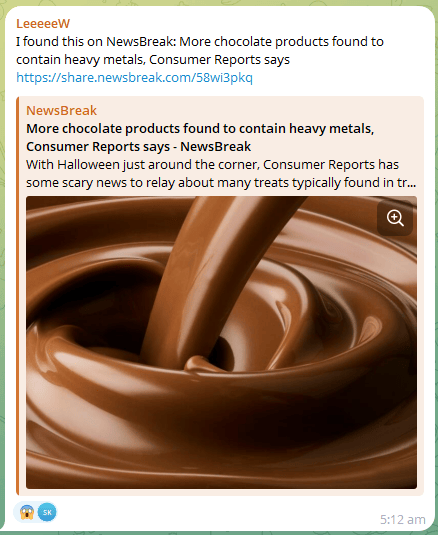
Repeated testing has shown that cocoa powder and chocolate bars can contain:
- Lead
- Cadmium
Both are linked to:
- Immune dysfunction
- Inflammation
- Oxidative stress
Not a great combination for psoriasis.
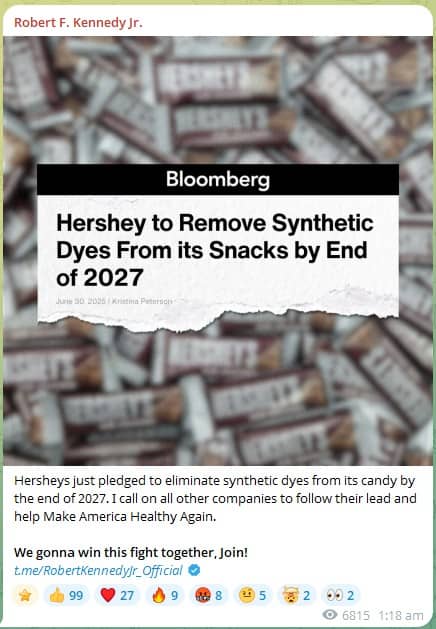
Hershey’s Chocolate found to have high levels of cadmium and lead.
It looks like almost everything that comes from a package in America is poisonous ☠️.
There’s been more exposure of toxic “food” than organic food.
Artificial & “Natural” Flavors
The term “natural flavors” is a loophole that can hide dozens of synthetic chemicals.
Your immune system doesn’t care about marketing vocabulary.
If it’s foreign, it’s a potential trigger.
And It’s Not Just One Brand — Many Big Chocolate Companies Use Similar Methods
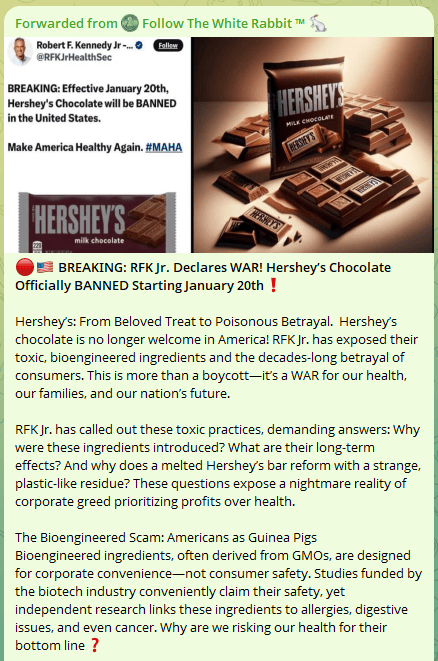
My reaction happened after eating Hershey’s dark chocolate.
But this is not a “Hershey’s hit piece.”
The reality is this:
Most large chocolate companies use similar additives, similar processing methods, similar emulsifiers, similar alkali treatments, and similar cost-cutting formulas.
This is not a brand problem.
It’s an industry problem.
When chocolate becomes an ultra-processed product, the risk isn’t the cocoa—it’s everything else that gets added to it.
AND it’s not just this industry I did deep research on almond milk as well many of the same ingredients were used.
Why People With Psoriasis Are More Sensitive to These Ingredients
Psoriasis isn’t “just a skin condition.”
It’s a full-body inflammatory and immune system disorder.
And when the immune system is overactive, it reacts to triggers faster and more aggressively.
Even seemingly harmless foods can set it off — seed oils, sugar, soda, diet soda, almond milk, processed snacks, and yes… even chocolate.
These ingredients disrupt the gut lining, alter the microbiome, trigger oxidative stress, and inflame the immune system. For someone with psoriasis, that’s a dangerous combo.
📢 Shareable Insight
“Chocolate may taste sweet — but for psoriasis, sugar‑loaded treats act like a flame starter.”
👉 Click to Tweet
What I Learned (And What You Should Watch Out For Too)
This flare taught me more than I expected:
- “Dark chocolate” does not mean healthy.
- Ingredient labels matter more than marketing.
- Ultra-processed foods hide dozens of inflammatory triggers.
- Sugar is a major psoriasis trigger (learn more):
- Soda and diet soda only make it worse (links above).
- Seed oils quietly fuel inflammation (why they’re harmful).
- “Natural flavors” are a wild card hidden behind a friendly name.
This wasn’t about guilt or “falling off the wagon.”
It was about discovering how reactive my body still is to processed ingredients.
What I Do Differently Now
Since the flare, my rules are clear:
- No mass-produced chocolate bars.
- No emulsifiers.
- No seed oils.
- No alkali-processed cocoa.
- No hidden additives or mystery “natural flavors.”
- When in doubt, skip it.
Clean eating is always easier than two weeks of peeling skin.
Healing From the Flare (My Two-Week Recovery)
The outbreak eventually stopped, but healing came in stages.
The pustules dried.
The skin thickened.
Then came the long, slow shedding—like peeling off regret one layer at a time.
Walking hurt. Using my hands hurt. Even sleeping hurt.
But with strict carnivore, hydration, fasting windows, and low stress, the healing finally came.
The Bigger Picture — Your Skin Is a Messenger
Psoriasis is your body’s alarm system.
It doesn’t whisper — it screams.
One treat triggered a flare because my immune system recognized something harmful.
The skin wasn’t the problem — it was the messenger.
Inflammation is the message.
Food is often the cause.
Healing happens from the inside out.
Final Thoughts: The One Treat That Wasn’t Worth It
I’m not writing this to scare anyone or demonize chocolate forever.
I’m writing it because this happened to me — fast, violently, and unexpectedly.
One small treat. Two weeks of hell.
And if you struggle with psoriasis, inflammation, or autoimmune issues, consider my story a gentle warning.
Your body has triggers.
Your skin tells the truth.
And sometimes, one treat just isn’t worth the price.
Ready to Fix the Root Cause? Join the 51 Day Challenge
If you want to reset inflammation, heal your metabolism, and take control of your health from the inside out, the 51 Day Challenge is built for you.
You’ll discover:
- How to calm inflammation naturally.
- Foods that trigger your body.
- How to stabilize energy and cravings.
- The link between diet, skin, and gut health.
- How to reclaim real metabolic health.
👉 https://andrewtwelftree.com/51-day-challenge/
Your skin doesn’t lie.
Your body sends signals.
And healing starts now.


