
Facts About the Philippines: From Islands to Fascinating Festivals
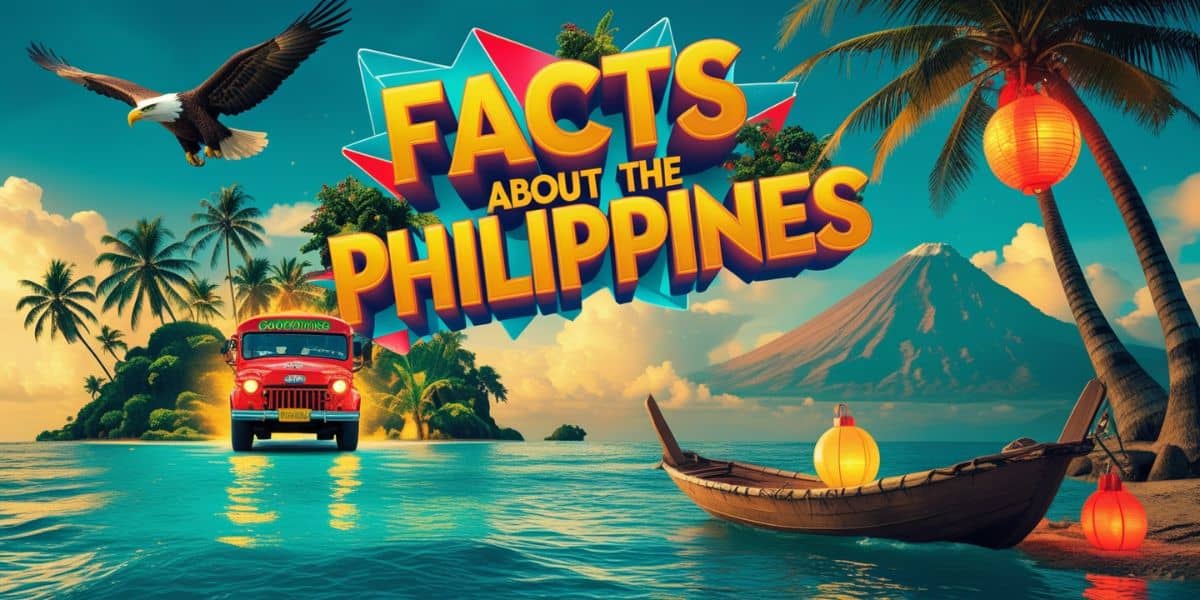
Discover the beauty, history, and vibrant culture of the Philippines with these fascinating facts that showcase what makes this island nation truly one of a kind.
With over 7,000 islands, centuries of rich history, and a culture full of color, warmth, and celebration, the Philippines is unlike anywhere else in the world. From bustling city streets to remote tropical beaches, this Southeast Asian country is bursting with interesting stories, traditions, and unique geography. Whether you’re researching for travel, school, or just love learning about new places, this list of facts about the Philippines will give you a deeper appreciation for its people, culture, and natural beauty.
1. The Philippines Is Made Up of Over 7,600 Islands
The Philippines is an archipelago consisting of approximately 7,641 islands, though the number changes slightly depending on tides and official surveys. These islands are divided into three major geographical regions: Luzon in the north, Visayas in the center, and Mindanao in the south.
Only around 2,000 of these islands are inhabited, and many are small, unspoiled paradises that have yet to be developed. Some disappear during high tide and reappear at low tide, which is part of what makes this country a constant discovery for travelers and researchers alike.
The island geography creates a diverse set of ecosystems and cultures that vary from region to region, making every island experience unique.
2. It’s Home to the World’s Longest Christmas Season
If you love Christmas, the Philippines might be your dream destination. It boasts the longest Christmas season in the world, starting as early as September and lasting until January.
Filipinos celebrate with parol (star-shaped lanterns), caroling, Simbang Gabi (a series of pre-dawn masses), and endless gatherings filled with food and music. Christmas isn’t just a holiday here—it’s a months-long celebration rooted in strong family ties and joyful traditions.
The vibrant lights, music, and sense of community during the “ber” months (September to December) make Christmas in the Philippines a truly unique cultural experience.
3. English Is Widely Spoken (But It’s Not the Only Language)
English and Filipino are the two official languages of the Philippines, and English is used extensively in business, education, and media. In fact, the country is one of the largest English-speaking nations in the world by population.
However, there’s incredible linguistic diversity beyond these two. Over 180 regional languages and dialects are spoken across the islands, including Cebuano, Ilocano, Hiligaynon, Waray, and Kapampangan.
This multilingual culture is a product of the Philippines’ complex history and regional diversity, making language both a practical and cultural bridge among Filipinos.
4. Filipino Culture Is a Blend of East and West
Filipino culture is a fascinating mix of indigenous traditions and foreign influences, shaped by centuries of colonization and trade.
- Spanish Influence: Over 300 years of Spanish rule introduced Christianity, fiestas, architecture, and cuisine.
- American Influence: The U.S. brought the English language, a public school system, and elements of pop culture.
- Chinese and Malay Influence: Trade and migration introduced culinary styles, business practices, and family values.
Despite these external influences, Filipinos have preserved many indigenous practices and developed a distinct cultural identity that celebrates community, faith, and resilience.
5. Jeepneys Are a National Icon
One of the most recognizable symbols of Filipino culture is the jeepney. Originally made from leftover U.S. military jeeps after World War II, jeepneys were adapted for public transportation.
Today, they are often brightly painted and decorated with everything from religious icons to pop culture characters. They’re affordable, colorful, and chaotic—and they represent the creativity and adaptability of the Filipino spirit.
Despite concerns about pollution and traffic, jeepneys remain an enduring symbol of Filipino innovation and culture.
6. The Philippines Is a Global Biodiversity Hotspot
With lush rainforests, coral reefs, and active volcanoes, the Philippines is one of the most biologically diverse countries on Earth. It ranks among the top 17 megadiverse nations, hosting a staggering number of endemic species.
Some highlights include:
- Philippine Eagle: One of the world’s largest and rarest birds of prey
- Tarsier: A tiny primate with enormous eyes found mainly in Bohol
- Tubbataha Reef: A UNESCO World Heritage Site rich in marine biodiversity
Whether you’re hiking a volcano or diving with whale sharks, the country’s natural wonders offer endless adventure.
7. Filipino Cuisine Is Full of Bold and Unique Flavors
Filipino food is as diverse as its people, combining native, Spanish, Chinese, and American influences into a flavorful mix.
Popular dishes include:
- Adobo: Meat marinated in vinegar, soy sauce, and garlic
- Sinigang: A sour tamarind-based soup
- Lechon: Whole roasted pig, often the centerpiece of celebrations
- Halo-halo: A layered dessert of crushed ice, sweet beans, jellies, and leche flan
Street food is a big part of the local culture, offering adventurous options like balut (a fertilized duck egg), isaw (grilled chicken intestines), and kwek-kwek (deep-fried quail eggs).
8. The Philippines Has a Deep and Complex History
The history of the Philippines is rich and layered, beginning with indigenous kingdoms and extending through centuries of colonization and conflict.
- Pre-Colonial Period: Indigenous tribes and kingdoms like the Tagalog, Visayan, and Muslim Sultanates
- Spanish Era (1521–1898): Catholicism introduced; widespread cultural transformation
- American Period (1898–1946): Education reform, infrastructure, and democratic institutions
- Japanese Occupation (WWII): A time of hardship and resistance
- Post-Independence: Political shifts, martial law under Marcos, and democratic restoration
Each era has left its mark on the nation’s language, values, institutions, and identity.
9. Colorful Festivals Happen All Year Round
Filipinos love to celebrate, and the country hosts hundreds of festivals throughout the year—many rooted in religious or cultural traditions.
Notable festivals include:
- Sinulog (Cebu): Honoring the Santo Niño with street dancing and parades
- Ati-Atihan (Kalibo): Known as the “Mother of All Philippine Festivals”
- Panagbenga (Baguio): A flower festival with floats and dancing
- Pahiyas (Lucban): Homes decorated with colorful rice wafers and produce
These festivals showcase Filipino creativity, hospitality, and joy—and are a huge draw for tourists.
10. It’s One of the Most Affordable Travel Destinations
Travelers often rank the Philippines as one of the best budget-friendly countries in the world. You can enjoy white-sand beaches, island hopping, delicious food, and cultural sites without breaking the bank.
- Accommodation: Hostels and guesthouses are widely available
- Transport: Tricycles, jeepneys, ferries, and budget airlines
- Food: Street food and local eateries offer tasty meals for under $2
The affordability makes the Facts About the Philippines especially attractive for digital nomads, long-term travelers, and anyone looking for adventure on a budget.
Final Thoughts: Why the Philippines Is Worth Exploring
Whether you’re drawn by its stunning beaches, rich culture, welcoming people, or incredible food, the Philippines offers something for everyone. It’s a place where natural beauty meets deep tradition, and where adventure and relaxation coexist.
If you’ve never considered visiting or learning more about this vibrant country, now is the perfect time to dive in—because the Philippines has a way of surprising and inspiring everyone who experiences it.
My Story: How the Facts About the Philippines Changed My Life and Career
When I first set foot in the Philippines, I wasn’t just a tourist—I was a man on a mission to rebuild my life. I had walked away from the 9–5 grind, burned out and determined to find a better way to live. What I didn’t expect was how much this country would influence that journey.
Living among the islands, I experienced a slower, more intentional pace of life. I met locals who radiated warmth despite having far fewer material possessions than most Westerners. I spent mornings swimming in clear blue waters and evenings brainstorming business ideas under palm trees. It was here, surrounded by natural beauty and simplicity, that I began to understand what freedom really meant.
That’s also when I discovered the potential of Ghost Commerce—a way to earn online without being glued to social media or showing your face. It gave me the income I needed to stay, explore, and help others do the same. What started as a lifestyle experiment quickly became a mission: to help others create time, location, and financial freedom.
The Philippines didn’t just offer adventure—it offered clarity. And now, I help others find theirs, too.
Whether you’re drawn by its stunning beaches, rich culture, welcoming people, or incredible food, the Facts About the Philippines offers something for everyone. It’s a place where natural beauty meets deep tradition, and where adventure and relaxation coexist.
If you’ve never considered visiting or learning more about this vibrant country, now is the perfect time to dive in—because the Philippines has a way of surprising and inspiring everyone who experiences it.
🎁 Bonus Gift: How to Work Remotely and Explore the Facts About the Philippines
Love the idea of traveling through tropical islands, experiencing new cultures, and living life on your own terms? The Philippines isn’t just a beautiful place to visit — it’s also a growing hotspot for digital nomads and remote workers.
If you’ve ever dreamed of earning money online while living somewhere affordable and inspiring, you’ll want to check out this free guide:
👉 Ghost Commerce: The Easiest Way to Start Earning Remotely
This guide walks you through how to build a location-independent income — even if you have no products, no camera, and no following.
Explore more on creating your freedom lifestyle:
- 🌏 Digital Nomad in Asia
- 🇵🇭 Earn Remotely in the Philippines: 2025 Guide
- 💼 Transition From 9 to 5 to Digital Income – No Risk
- ✨ How to Create a Freedom Lifestyle
Your adventure doesn’t have to end with reading — it could be the start of a whole new way of living.


