
Bicarb Soda Cancer Treatment: Hype, Hope, or Healing?
How Bicarb Soda May Support Natural Cancer Recovery
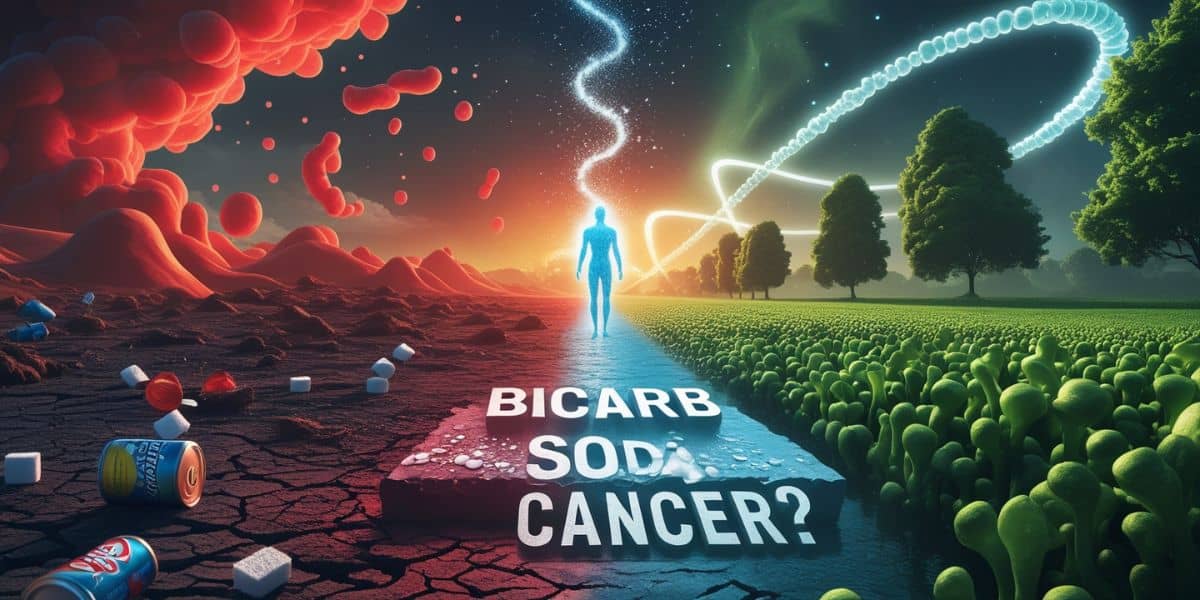
Is the idea of a bicarb soda cancer treatment just hype—or could it offer real hope for healing? As natural therapies gain popularity, many are revisiting the age-old claim that alkalizing the body can slow tumor growth and support immunity. When combined with a no-carb, no-sugar diet and fasting, bicarb soda may help create an internal environment where cancer struggles to survive. This article explores the science, testimonies, and controversy behind this suppressed approach—and whether it could be a powerful ally in your journey to better health.
Why I Looked Into Bicarb Soda as a Natural Cancer Protocol
My journey into alternative healing began when a close family member was diagnosed with cancer. We were told the only options were chemotherapy or radiation. But deep down, something didn’t sit right with me. Pumping poison (chemo) into a weakened body felt counterintuitive—and so began a personal mission to find natural, holistic ways to support the body in healing itself.
After countless hours of research and talking to integrative health practitioners, I kept coming across one unusual but recurring solution: bicarb soda. From stories in online communities to hidden research papers, people were reporting improvements in their health, reduced inflammation, and in some cases, slowed tumor growth—all by alkalizing their body. I paired this with a strict no-sugar, low-carb diet and daily intermittent fasting.
What I experienced over the next few months was unexpected. My energy levels skyrocketed, brain fog lifted, chronic aches subsided, and my lab results improved. Meanwhile, my family member—initially given a grim outlook—began to stabilize. Their tumor markers dropped slightly, and inflammation levels decreased. While I’m not claiming a miracle, the improvement was enough to reinforce my belief that the body can heal itself when given the right support.
While I’ve never been diagnosed with cancer myself, I can’t help but wonder if that’s because I’ve consistently maintained an alkaline state, kept my blood sugar low, and triggered autophagy regularly through fasting. Could this be a powerful form of prevention? Time will tell, but my gut says yes.
How Bicarb Soda May Support Natural Cancer Recovery
Bicarb soda (sodium bicarbonate) is a simple, inexpensive compound that neutralizes acid. When taken in small doses, it may help reduce excess acidity in the body—particularly in the tumor microenvironment. Cancer thrives in acidic conditions. By neutralizing those acids, it’s believed that bicarb soda can create a less hospitable environment for tumors.
Some users report improvements within weeks. Anecdotal stories include:
- A woman in the UK who used a bicarb soda drink daily and paired it with green juices, fasting, and meditation. Her tumor shrank over 6 months without standard treatment.
- A former boxer in the US who was told he had months to live. He rejected chemotherapy and followed a natural protocol involving bicarb soda, juicing, and fasting. He lived another 5 years, active and strong until his last few weeks.
While these are not clinical trials, they point to the potential of alternative methods that deserve more attention.
The Science of Alkalinity and Tumor Acidity
Tumors create acidic environments through altered metabolism (the Warburg effect), which promotes growth, invasion, and immune system evasion. Research shows that raising the pH in tumor tissue can reduce cancer cell aggression. ie. Bicarb Soda Cancer Treatment
Notable Examples:
- Gillies et al. (2009) found oral sodium bicarbonate in mice raised tumor pH and slowed metastasis.
- Bogdanov et al. (2024) showed bicarbonate perfusion extended survival in mice with malignant ascites and improved a real-life ovarian cancer case.
- TILA-TACE study (China, 2017) combined bicarbonate with a treatment for liver tumors, achieving full or partial remission in all patients.
These results are early-stage but significant. They show that targeting the acidity around tumors can influence outcomes.
No-Carb, No-Sugar Diet – Starving Cancer Cells Naturally
Cancer cells rely heavily on sugar for energy. Cutting out refined carbs and sugars forces the body into ketosis—burning fat instead of glucose. This metabolic shift deprives tumors of their favorite fuel.
Case Example:
- A man with prostate cancer switched to a ketogenic diet and practiced 16:8 intermittent fasting. His PSA levels dropped, and he avoided surgery.
Scientific reviews of ketogenic diets in animal studies show reduced tumor sizes and extended survival. Human data is limited but promising. Many patients report feeling more stable, energized, and resilient when they eliminate sugar.
This approach also helps address insulin resistance and conditions like type 2 diabetes, which are often linked to chronic inflammation and cancer risk.
Fasting and Cellular Regeneration
Fasting triggers autophagy—a process where the body breaks down and recycles damaged cells. It also regenerates the immune system and reduces inflammation.
Real-World Story:
- A woman battling early-stage breast cancer did 3-day water fasts monthly. Her scans showed no progression over 18 months, and her doctor noted stronger immune markers.
Even intermittent fasting (like 18:6, 20:4 or OMAD) has benefits:
- Lower blood glucose and insulin
- Increased growth hormone
- Enhanced stem cell activity
- Boosted brain function and clarity
Many people using fasting along with bicarb soda report more balanced moods, better digestion, and fewer aches.
Why This Combined Approach Is So Powerful
When you combine alkalization, ketosis, and fasting, you create a multi-layered defense:
- No sugar = fuel cutoff for tumors
- Fasting = cellular cleanup and immune reboot
- Bicarb soda = neutralized tumor acidity
This trifecta may weaken cancer’s growth pathways, boost the immune response, and create internal balance. Even skeptics admit that each component has standalone benefits. Together, they may be greater than the sum of their parts.
It also involves cutting out modern dietary toxins—like the toxic effects of sugar, seed oils, and even diet sodas. Replacing those with nourishing fats and animal-based whole foods like in the Carnivore Diet can amplify the effects.
Mainstream Pushback and Suppression of Natural Therapies
Why haven’t you heard about this from your doctor?
Because these methods are simple, cheap, and unprofitable. There’s no billion-dollar incentive to research Bicarb Soda Cancer Treatment. Pharmaceutical companies can’t patent broccoli or fasting.
Additionally, those who promote alternatives have often been marginalized. The late Dr. Sebi, Dr. Gerson, and others were attacked for advocating food- and pH-based healing. The case of Dr. Tullio Simoncini, who believed cancer is a fungus and treated patients with sodium bicarbonate, is often used to discredit all bicarb therapy—despite growing scientific curiosity around tumor acidity.
People are waking up. The internet has enabled sharing of results, protocols, and encouragement. Thousands are now experimenting with this holistic approach, tracking progress, and reporting positive outcomes.
Bonus Gift – Ready to Go Deeper Into Your Health Transformation?
If this post inspired you to take control of your health naturally, you’ll love the 51 Day Challenge. It’s a complete lifestyle reset designed to help you eliminate toxins, rebalance your metabolism, and ignite true healing from the inside out.
Inside the challenge, you’ll get step-by-step support with:
- Clean eating and detox strategies
- Fasting and sugar elimination protocols
- Powerful mindset shifts for lasting change
- A like-minded community on the same mission
🎁 Ready to reclaim your energy, clarity, and confidence? Join the 51 Day Challenge here →
Final Thoughts – Taking Control of Your Healing Journey
The bicarb soda cancer treatment approach isn’t about quick fixes or false promises. It’s about understanding the body, supporting it naturally, and giving it every chance to heal without introducing more toxins.
This protocol—bicarb soda, no sugar, and fasting—is not a replacement for thoughtful medical care, but it may offer a powerful foundation for healing and prevention. If you choose to explore it:
- Educate yourself
- Track your progress (labs, symptoms, mood)
- Work with open-minded professionals if possible
- Listen to your body
You are not powerless. Your body was designed to heal. With the right tools and mindset, healing is not only possible—it’s within reach.
If you’ve tried this protocol or have questions, feel free to share your experience in the comments or contact me. Let’s help others learn, heal, and take back control.
Disclaimer: This article is for informational purposes only and does not constitute medical advice. Always consult a qualified healthcare provider before making any changes to your diet, fasting routine, or treatment plan, especially in the context of cancer or other serious health conditions.


