
Uncovered: Intermittent Fasting for Fat Loss and Metabolic Health
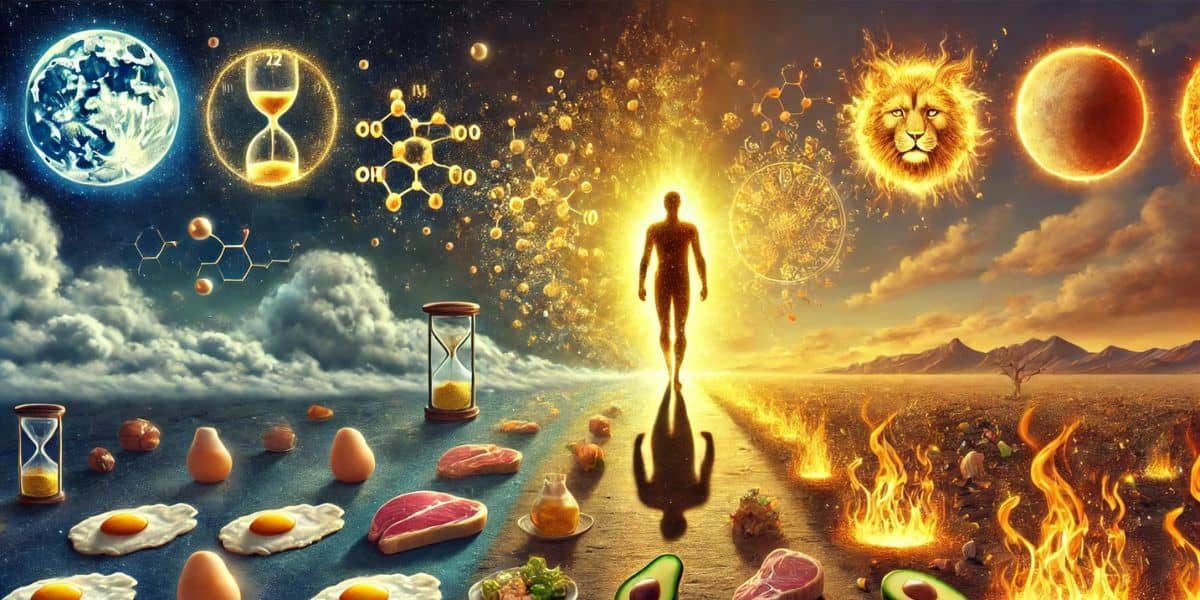
How Intermittent Fasting Unlocks Fat Burning, Focus, and Full-Body Reset
Intermittent fasting (IF) is more than just a trend—it’s a powerful lifestyle tool backed by science. Whether you’re aiming to lose fat, improve mental focus, or reclaim your energy, fasting can unlock your body’s natural healing and fat-burning potential.
In this guide, we’ll explore what happens in your body during a fast, outline popular fasting windows like 16:8, 18:6, 20:4, OMAD, and ADF, and explain how combining fasting with a low-carb, keto, or carnivore lifestyle can lead to astonishing transformation.
What Happens to Your Body When You Fast?
The power of intermittent fasting lies in when you eat, not just what. As you move through different phases of fasting, your body shifts into distinct metabolic states:
🕓 0–4 Hours After Eating
During this phase, you’re in the fed state. Blood sugar levels rise, prompting the release of insulin. Glucose is used as your primary energy source.
🕓 4–12 Hours Into Fasting
Soon after, insulin begins to decline. As blood sugar stabilizes, the body starts tapping into glycogen stores—its reserved form of carbohydrate energy.
🕓 12–16 Hours In
By now, glycogen is mostly depleted. Your body transitions into fat-burning mode, using stored fat for fuel. Although you might feel a bit hungry, this signals a shift toward metabolic flexibility. Meanwhile, ketones begin to rise, offering the brain a steady, clean energy source.
🕓 16–24 Hours In
As fasting deepens, fat-burning accelerates. More importantly, autophagy kicks in—your body’s natural way of clearing out damaged cells. Ketone levels continue to rise, often bringing sharper mental clarity.
🕓 24+ Hours In
Going beyond a full day, fasting drives deeper healing. Autophagy intensifies, growth hormone spikes to preserve muscle, and inflammation reduces. At this stage, fat becomes your dominant fuel source.
Popular Intermittent Fasting Protocols Explained
There’s no universal method that works for everyone. Below are the most effective and widely used fasting protocols:
🕓 16:8 (Leangains Protocol)
In this method, you fast for 16 hours and eat within an 8-hour window—typically between 12pm and 8pm. It’s a great starting point and works well with a low-carb approach.
🕕 18:6
Here, you fast for 18 hours and eat within a 6-hour window. This slightly longer fast can enhance fat-burning and deepen ketosis. It’s ideal for those already adapted to fasting.
🕘 20:4 (The Warrior Diet)
This approach limits eating to a 4-hour window. It promotes increased autophagy and healing. Many choose this method when they want to lose fat fast.
🍽 OMAD (One Meal A Day)
With OMAD, you follow a 23:1 fasting-to-eating ratio—consuming one nutrient-dense meal per day. This can be incredibly effective for hormone balance and fat loss, especially when paired with the carnivore diet.
🔁 Alternate Day Fasting (ADF)
In ADF, you fast every other day or consume up to ~500 calories on fasting days. On non-fasting days, you eat normally (but mindfully). This method supports deep fat-burning and can help reverse stubborn insulin resistance.
Fasting + Low-Carb = Fat-Burning Synergy
Fasting alone is powerful. However, when you combine it with a proper dietary approach, the results can be dramatic.
✅ Lower Insulin Levels
Both fasting and dietary changes help regulate insulin, your body’s key fat-storage hormone. Managing this hormone is essential to reversing insulin resistance naturally.
✅ Faster Fat Adaptation
Pairing fasting with a keto diet allows your body to adapt more easily to fat-burning, which reduces cravings and increases energy.
✅ Hunger Control
Eating high-fat, nutrient-rich meals keeps you satisfied longer, making it easier to stick to your fasting window.
And ✅ Elevated Ketone Production
When ketones increase, you experience improved focus, reduced hunger, and faster fat loss. Maybe try a sardine fast.
Tips for Intermittent Fasting Success
💧 Stay Hydrated – Drink plenty of water, black coffee, or herbal tea during fasting periods.
🧂 Use Electrolytes – Especially if you’re eating low-carb; this helps prevent fatigue or headaches. Home-made electrolyte recipe.
🍳 Eat Nutrient-Dense Foods – When you break your fast, focus on whole foods rich in protein and healthy fats.
😴 Sleep Deep – Prioritize quality sleep to support hormone balance and recovery.
📊 Track What Matters – Use progress photos, measurements, or energy levels—not just the scale.
Final Thoughts: Fasting Is a Lifestyle, Not a Quick Fix
Intermittent fasting is more than a temporary hack. It’s a natural and sustainable approach to health that helps your body function optimally. When combined with a clean eating style—whether low-carb, keto, or carnivore—you unlock even greater results.
Still curious about how it all works? This guide from Johns Hopkins Medicine offers additional insight into the benefits and science behind intermittent fasting.
Start small. Stay consistent. Trust the process—your body already knows what to do.
🔥 Ready to Transform Your Health?
Join the 51 Day Health Challenge—a proven system combining intermittent fasting, real food, and expert support.
Here’s what you’ll receive:
- 🎯 Structured fasting plans
- 🥩 Support for low-carb, keto, or carnivore eating
- 🧠 Weekly live Zoom coaching
- 💬 Access to our Telegram community
- 💥 Step-by-step guidance with real accountability
👉 Click here to join the 51 Day Challenge – new groups start weekly!


